The First Sizzle Tells You Everything
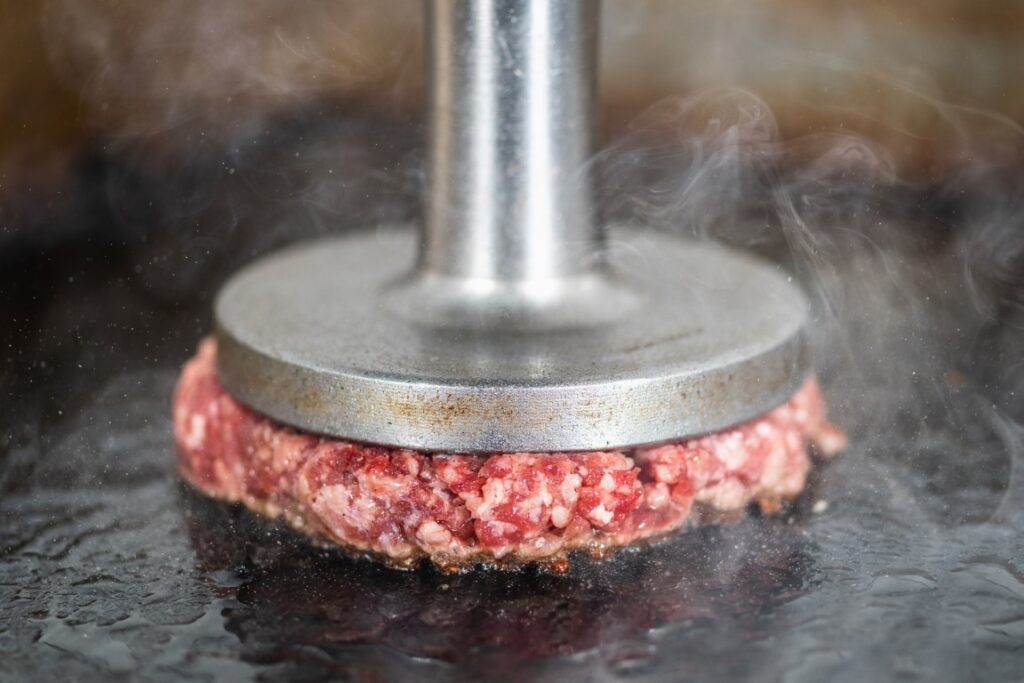
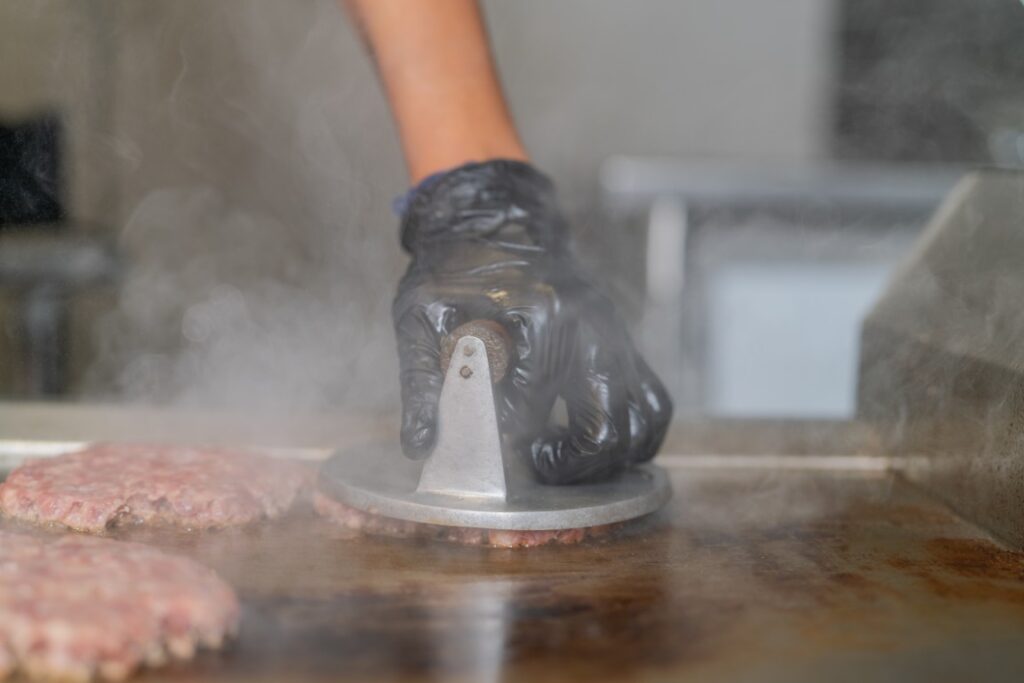
There’s a moment—right when that ball of ground beef hits a ripping hot griddle—when everything you need to know about a smash burger reveals itself.
The violent sizzle.
The instant smoke.
The edges are starting to lace and crisp before your eyes.
That’s not just cooking. That’s chemistry in motion.
And at the center of it all? Fat.
Not a little. Not “lean and healthy.”
We’re talking high-fat ground beef—80/20 at minimum—the unsung hero behind every truly great smash burger.
Fat Is Flavor—But Not the Way You Think
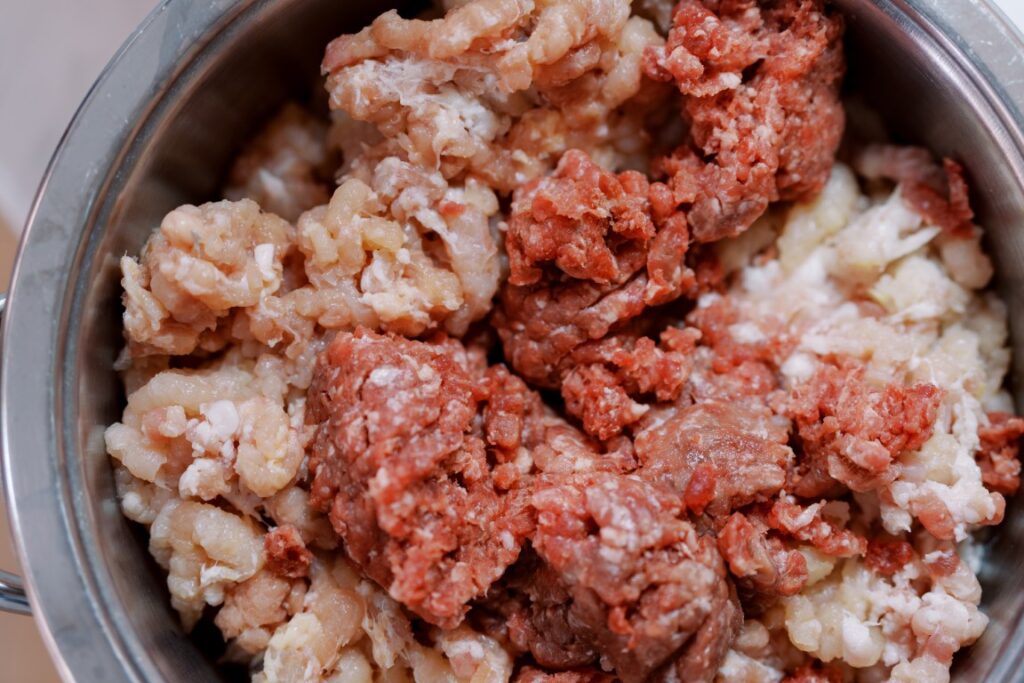
Most people think fat just makes a burger “juicy.” That’s only half the story.
Fat is a flavor transport system. It carries and amplifies the compounds that make beef taste rich, savory, and deeply satisfying. Without it, you’re left with something flat, almost forgettable.
Science backs this up. The sensory experience of BBQ—the aroma, taste, and mouthfeel—is heavily influenced by fat, which enhances both flavor and satisfaction.
When fat renders during cooking, it doesn’t disappear—it transforms:
- It dissolves flavor compounds
- It coats your tongue
- It prolongs taste
That’s why a high-fat burger doesn’t just taste better—it lingers.
The Maillard Reaction: Where Fat Meets Fire
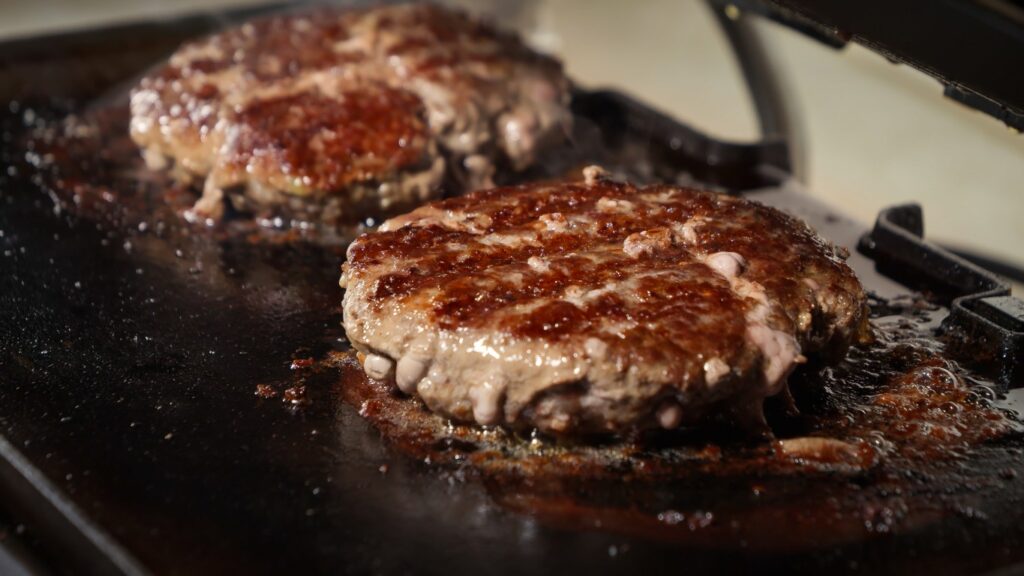
Let’s talk about the real star of the show: the crust.
That deep brown, crispy exterior is created through the Maillard Reaction—a chemical process where amino acids and sugars react under high heat to create hundreds of flavor compounds.
According to BBQ science, this reaction produces molecules like pyrazines and furans—the very compounds responsible for that roasted, nutty, “this is unbelievable” flavor .
Here’s where fat comes in:
- Fat helps conduct heat efficiently
- It allows the meat to fry on the surface
- It increases contact with the griddle
When you smash a high-fat beef ball onto steel, you’re not just flattening it—you’re engineering maximum Maillard surface area.
More contact = more crust
More crust = more flavor
It’s that simple.
Juiciness Is a Science, Not a Guess
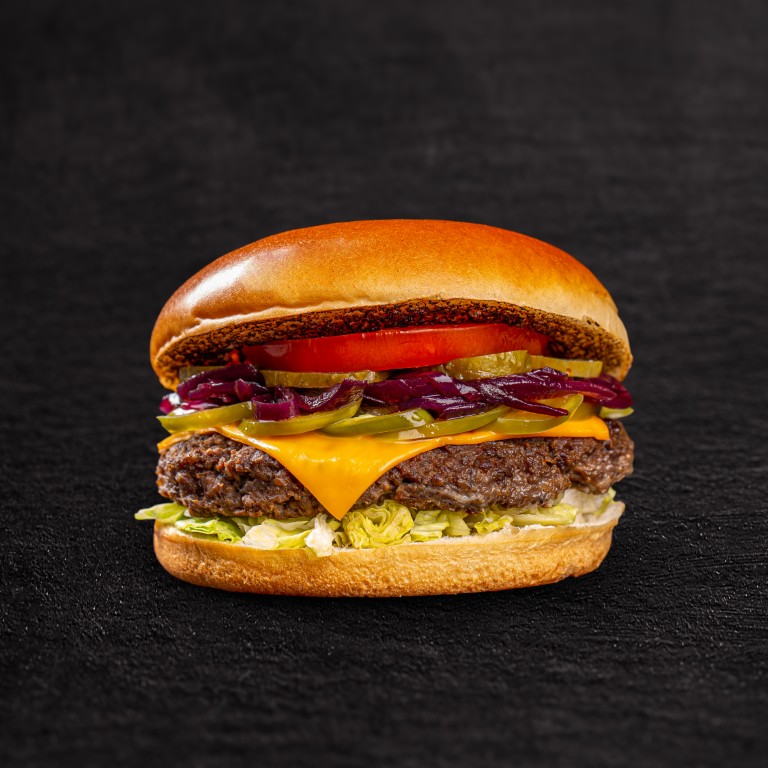
Ground beef is mostly water and protein. The problem? Both betray you under heat.
- Water evaporates quickly
- Proteins tighten and squeeze moisture out
What’s left to save the burger?
Fat.
As it renders, fat fills the gaps left behind, creating that signature juicy bite. Without it, the burger dries out before it ever has a chance to shine.
This is why lean blends fail in smash burgers. They don’t have the structural support to survive the aggressive, high-heat cooking method.
High-fat beef doesn’t just stay juicy—it protects itself during cooking.
The Self-Basting Effect
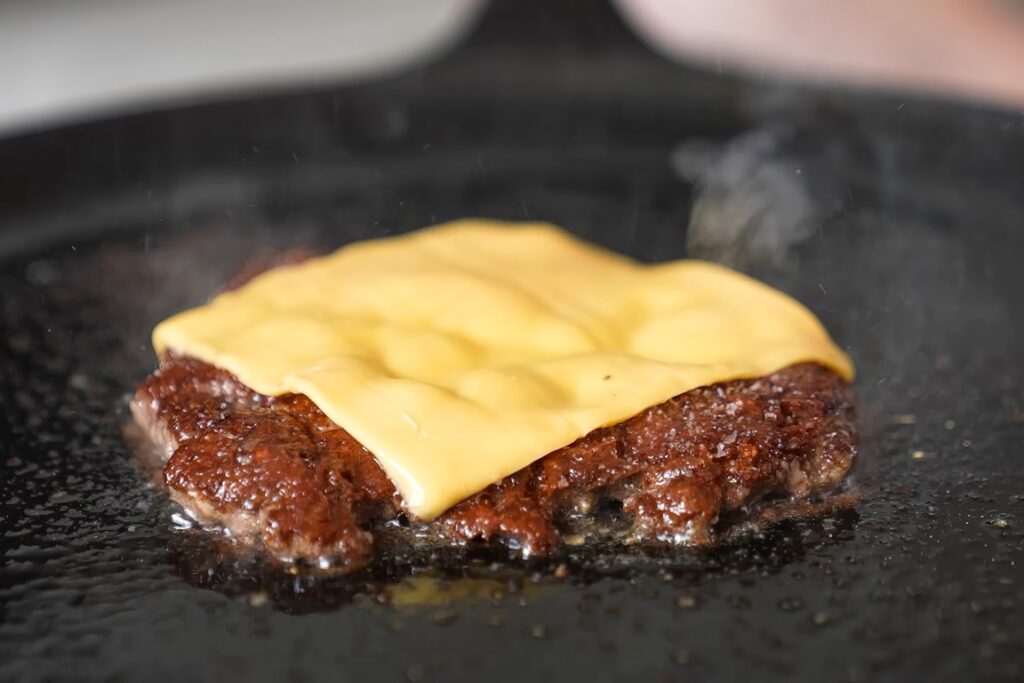
Here’s something most backyard cooks don’t think about:
When fat renders and hits a hot griddle, it doesn’t just sit there.
It:
- Sizzles
- Vaporizes
- Re-coats the meat in flavorful compounds
This creates a self-basting system, where the burger is constantly being enriched by its own rendered fat.
In traditional BBQ, dripping fat hitting heat produces additional aroma and flavor compounds that enhance the final product .
On a flat top? Same principle. Faster, louder, more aggressive.
That’s the smell that pulls people out of their chairs before you even call them to eat.
Why Your Brain Craves It
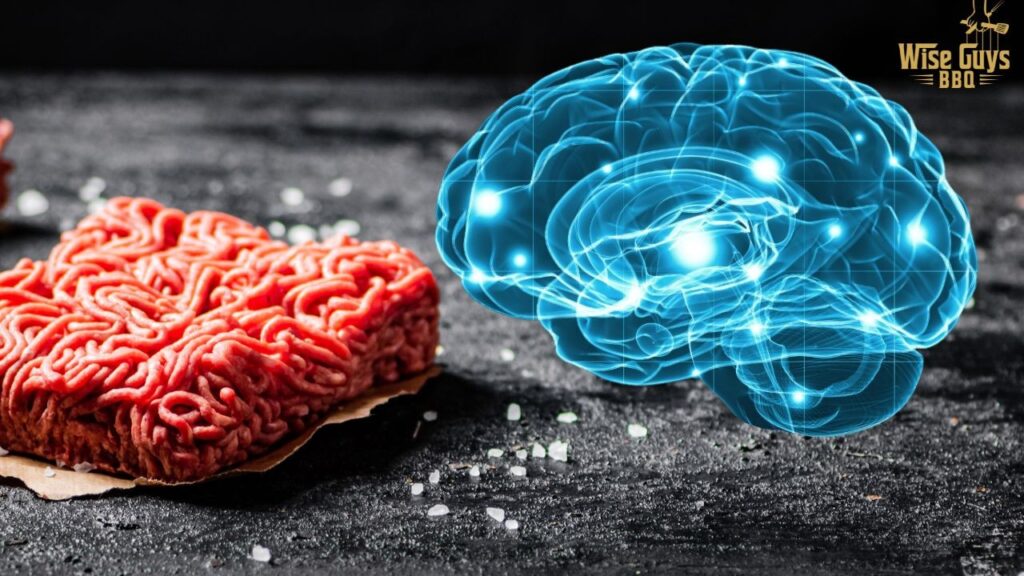
Let’s take it one step further.
Fat doesn’t just impact taste—it impacts your brain.
When you eat a high-fat, high-umami food like a smash burger:
- Dopamine levels increase (pleasure and reward)
- Serotonin is supported (mood stability)
That’s why a great burger feels like more than a meal. It feels like an experience.
As research shows, the combination of savory flavors and rich textures directly activates the brain’s reward system .
In other words:
You’re not weak.
You’re wired for this.
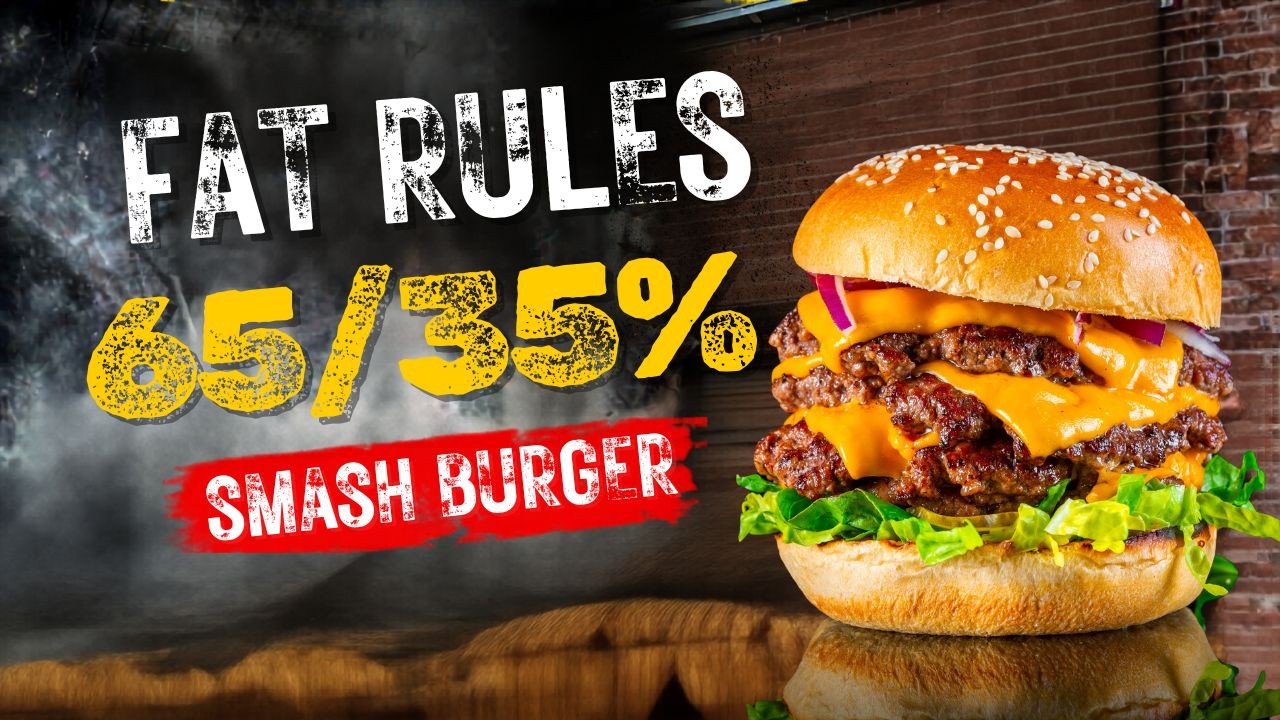
Why 65/35 Is the Gold Standard
65/35
- Enough fat to render and baste
- Enough structure to hold together
- Enough flavor to stand on its own
Go leaner, and you lose everything that makes a smash burger special.
Go too fatty, and you risk flare-ups and breakdown.
65/35 isn’t a suggestion.
It’s a blueprint.
The Smash Burger Is Built for Fat
The smash technique itself is designed around high-fat beef.
You:
- Start with a loose ball (not packed tight)
- Smash it onto high heat
- Maximize surface contact instantly
This forces fat to render quickly, creating:
- Crispy, lacy edges
- Deep caramelization
- A thin, juicy interior
It’s controlled chaos—and fat is what keeps it all together.
Final Thoughts from the Flat Top
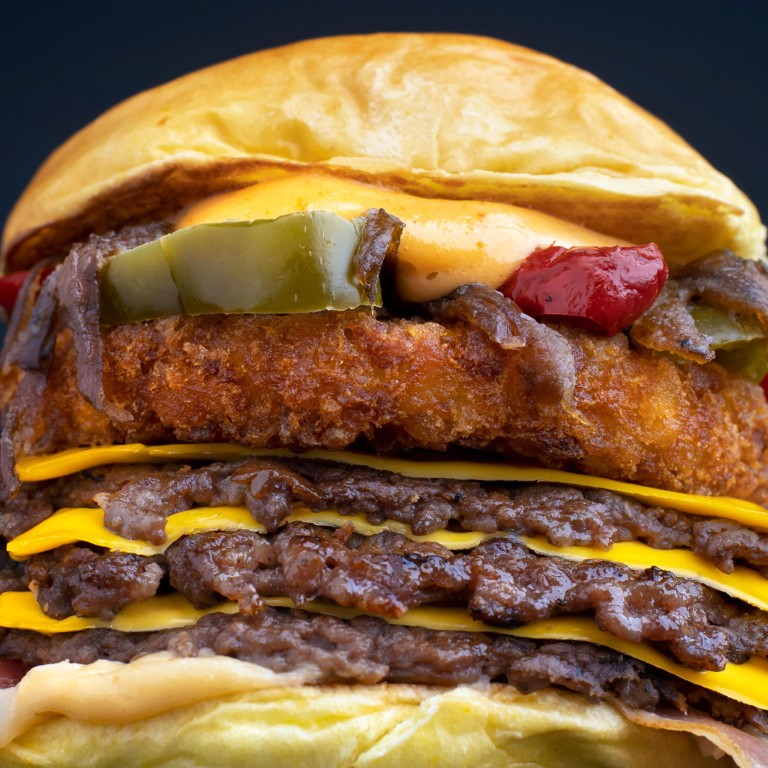
The next time someone tells you they prefer a lean burger, smile politely… and make them a smash burger the right way.
Because once they hear that sizzle, smell that aroma, and take that first bite, the science becomes irrelevant.
They’ll get it.
High-fat ground beef isn’t indulgence for the sake of indulgence.
It’s precision.
It’s chemistry.
It’s the difference between a burger… and a moment.
Fat isn’t the enemy—it’s the architect.
You give it heat, you give it steel… and it builds something unforgettable.