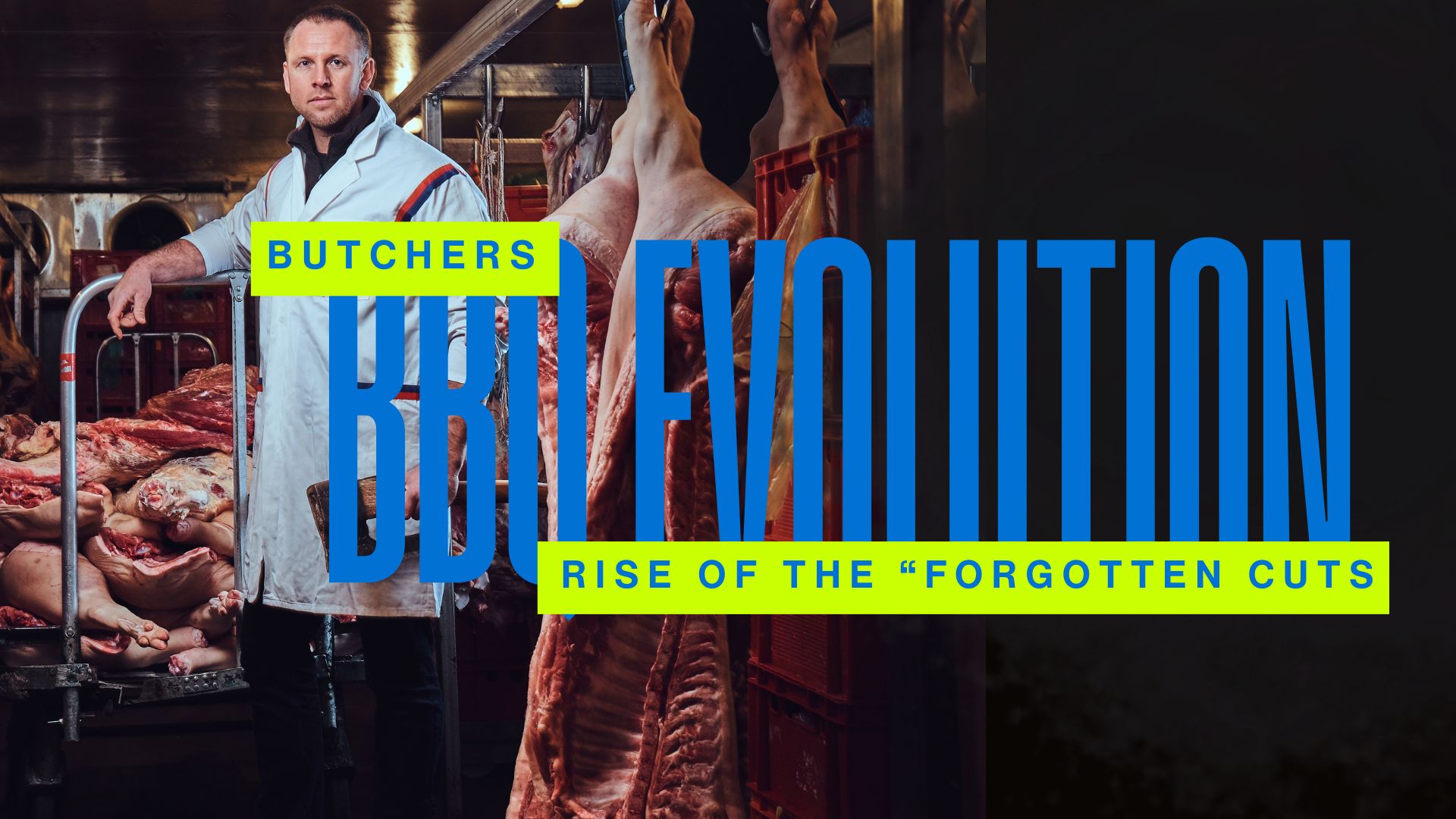
Walk into any serious butcher shop today and you’ll notice something strange: the conversation has changed. Nobody’s just asking for brisket anymore. They’re asking questions—about beef cheeks, about vacio, about cuts most people couldn’t identify five years ago. That shift isn’t random. It’s the result of a quiet revolution happening behind the counter, where butchers—not pitmasters—are redefining what great barbecue actually means.
Then something shifted.
Quietly at first, like the low hum of a smoker coming up to temp, a new movement began—not in the backyard, not on the competition circuit—but behind the butcher’s counter.
Today, the real power players in barbecue aren’t just pitmasters.
They’re butchers.
The Rise of the “Forgotten Cuts”
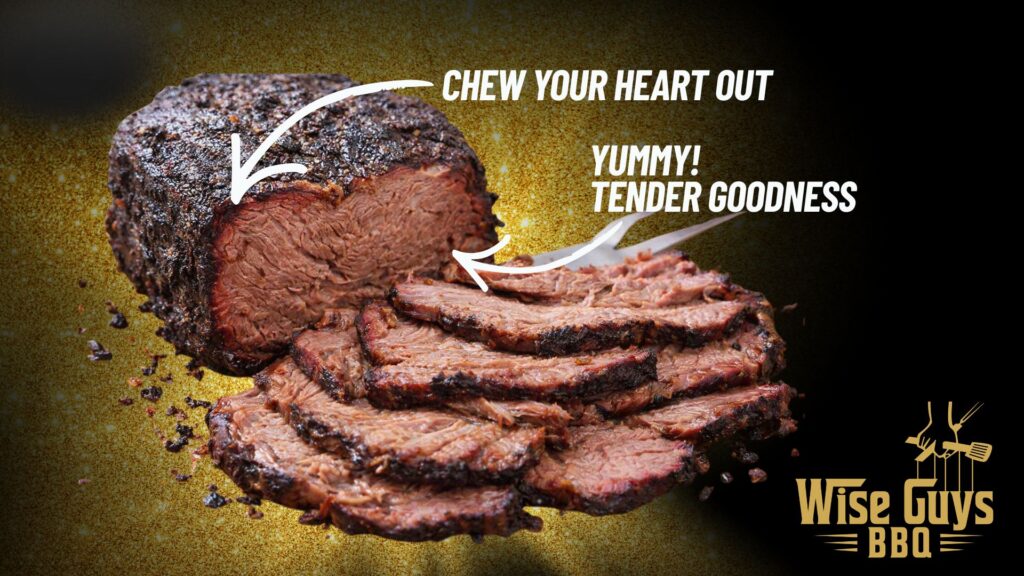
If you’ve heard someone casually mention vacio at a cookout, you’re witnessing a cultural shift.
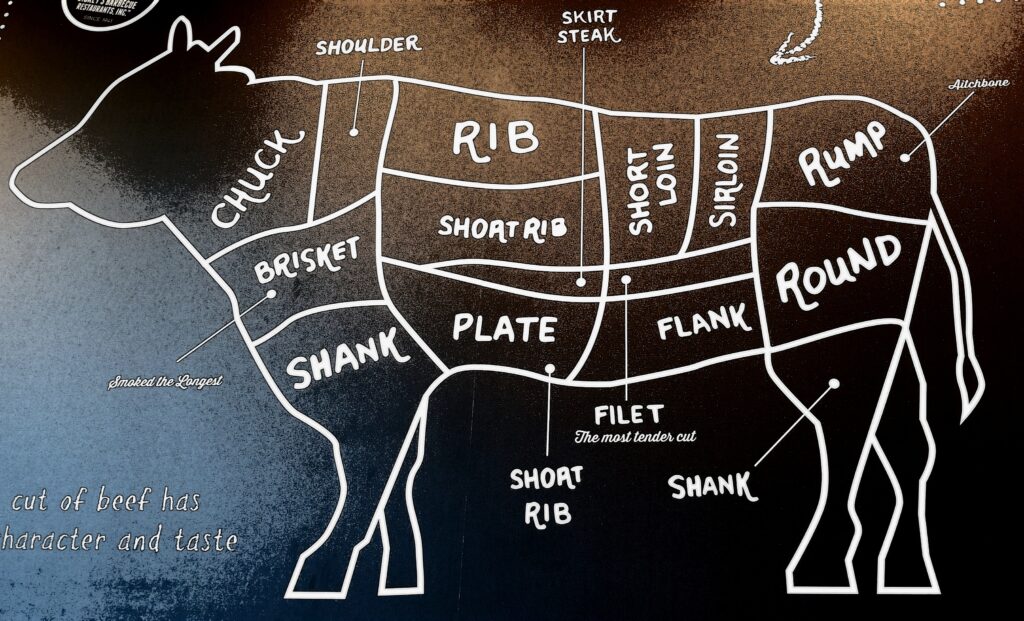
Once overlooked or relegated to grinders, cuts like beef cheek, chuckie (chuck roast), plate ribs (aka “dino ribs”), and vacio are now center stage. Not because they suddenly appeared—but because someone finally explained them.
That “someone” is your butcher.
- Beef cheek: Loaded with collagen, transforms into silky, rich meat after a long smoke—think brisket meets pulled pork.
- Chuckie (chuck roast): The working man’s brisket. Faster cook, forgiving, and packed with beefy flavor.
- Dino ribs (plate ribs): Caveman barbecue. Massive bones, insane marbling, and a visual knockout.
- Vacio: A South American favorite, cut from the flank primal. Leaner, but deeply flavorful when treated right.
These cuts didn’t change.
We did.
Or more specifically—we got educated.
Meat Science: Why These Cuts Work So Damn Well
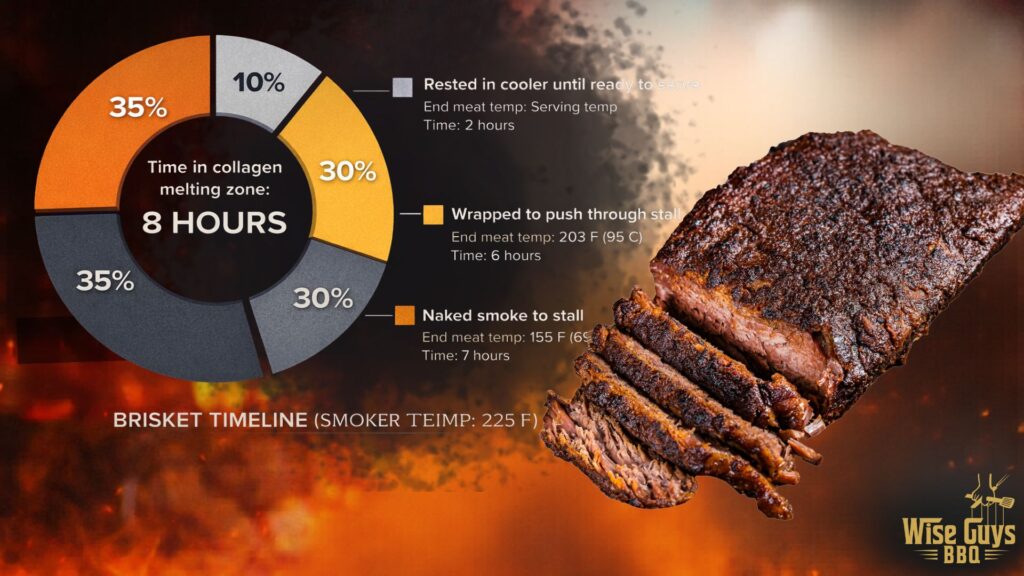
Let’s talk science—but not the boring kind.
Barbecue is about transformation. And the secret weapon behind these “new” cuts is something most people used to avoid:
Connective tissue.
Cuts like cheeks, chuck, and plate ribs come from hard-working muscles. That means more collagen, more connective fibers, and more flavor potential.
Here’s the magic:
- At low temperatures (around 160–205°F internal), collagen breaks down into gelatin.
- That gelatin gives you that buttery, melt-in-your-mouth texture.
- More connective tissue = more payoff—if you cook it right.
Brisket taught us this lesson.
Now butchers are applying it to everything else.
The Butcher’s Influence: The New Gatekeepers of BBQ
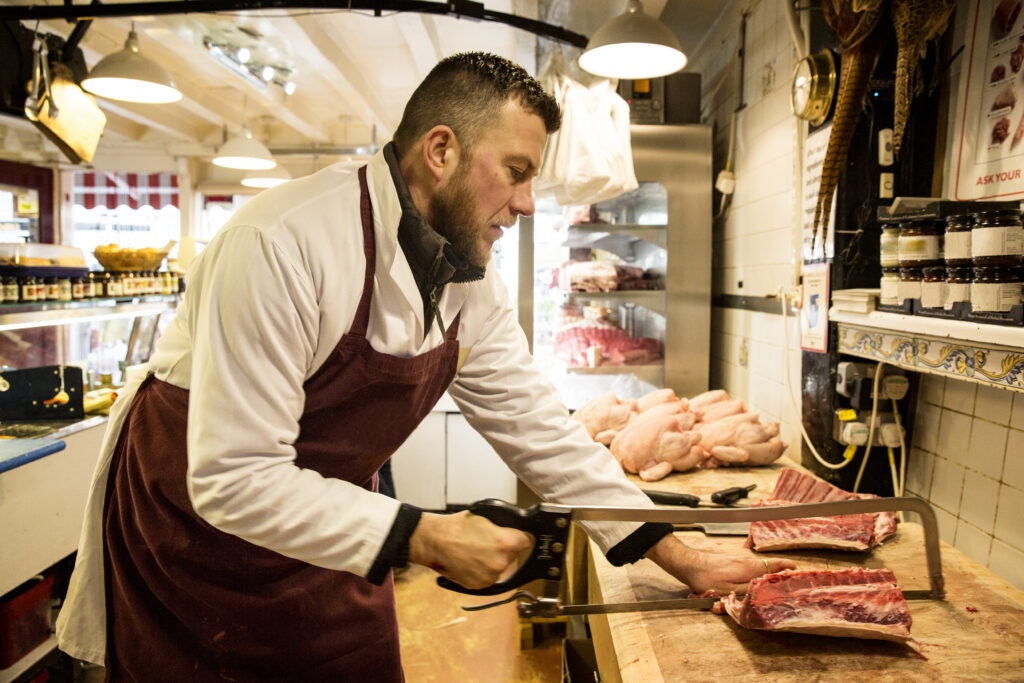
Butchers see the whole animal.
They understand:
- Where flavor lives
- Which muscles get worked the hardest
- How grain direction affects slicing
- And most importantly—what isn’t being used
That last one? That’s where revolutions are born.
When brisket prices started climbing, butchers didn’t panic—they pivoted. They started recommending alternatives:
“You don’t need brisket—try a chuck roll.”
“Skip the flat—grab a beef cheek.”
“Want something wild? I’ve got plate ribs that’ll change your life.”
And just like that, the backyard pitmaster got smarter.s are applying it to everything else.
The Economics: Brisket Broke the System
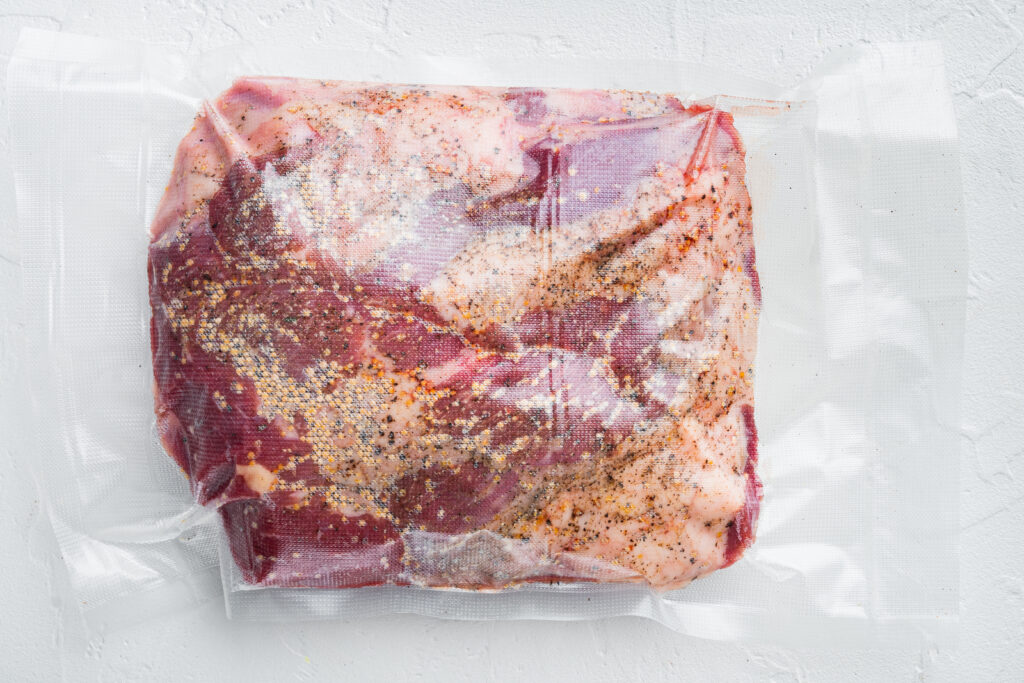
Let’s not pretend this is all about culinary curiosity.
This is economics.
Brisket used to be cheap—dirt cheap. It was a throwaway cut. That’s why barbecue built its empire on it.
Now?
- Prime brisket prices have skyrocketed
- Demand from restaurants + backyard cooks exploded
- Supply hasn’t kept up
Result: Brisket became a luxury item
So what happens when the crown jewel gets too expensive?
You create new crown jewels.
Cuts like chuckie, cheeks, and even tri-tip started filling the gap—not just as substitutes, but as legitimate stars.
And here’s the kicker:
Many of them are still cheaper… for now.
Insider Knowledge: What Butchers Know That You Don’t (Yet)
Here’s the truth: most people walk into a butcher shop and ask for what they already know.
That’s a mistake.
The real move?
Ask questions.
A good butcher will tell you:
- Which cut just came in fresh
- What’s underrated right now
- How to cook it
- And what to avoid
That’s insider access.
It’s like having a pitmaster, food scientist, and supply chain expert—all behind one counter.
And if you’re lucky enough to have someone like Tommy The Butcher in your corner?
You’re not just cooking anymore.
You’re playing chess while everyone else is playing checkers.
The Backyard Evolution: Smarter Cooks, Better Results

This is where it all comes together.
Today’s backyard pitmaster isn’t just following recipes—they’re understanding meat.
They’re asking:
- “What muscle is this from?”
- “How much fat content does it have?”
- “What temp does collagen break down?”
That curiosity is changing the game.
You don’t need a $200 brisket to make world-class barbecue.
You need:
- Knowledge
- Patience
- And a good relationship with your butcher
The Future of BBQ: Whole Animal Thinking
The next wave of barbecue isn’t about bigger smokers or fancier rubs.
It’s about respecting the entire animal.
Butchers are leading that charge by:
- Introducing underutilized cuts
- Reducing waste
- Educating cooks at every level
And pitmasters? They’re finally listening.
What used to be “cheap cuts” are now the most exciting things on the smoker.
Not because they’re trendy.
Because they make sense.
Final Thoughts: The Real Power Behind the Smoke
Barbecue has always been about transformation.
Tough into tender. Cheap into legendary. Fire into flavor.
But the biggest transformation happening right now isn’t on the pit.
It’s in how we think.
The smartest cooks today aren’t chasing the most expensive cut.
They’re chasing understanding.
And the people handing that knowledge out—wrapped in butcher paper, with a little nod and a knowing smile—
Are the ones quietly shaping the future of barbecue.
If you want to get ahead of the curve, stop asking what everyone else is cooking.
Start asking your butcher what you should be cooking.
That’s where the next revolution is already happening.