The first thing that caught my attention wasn’t the brisket.
It wasn’t the ribs, either.
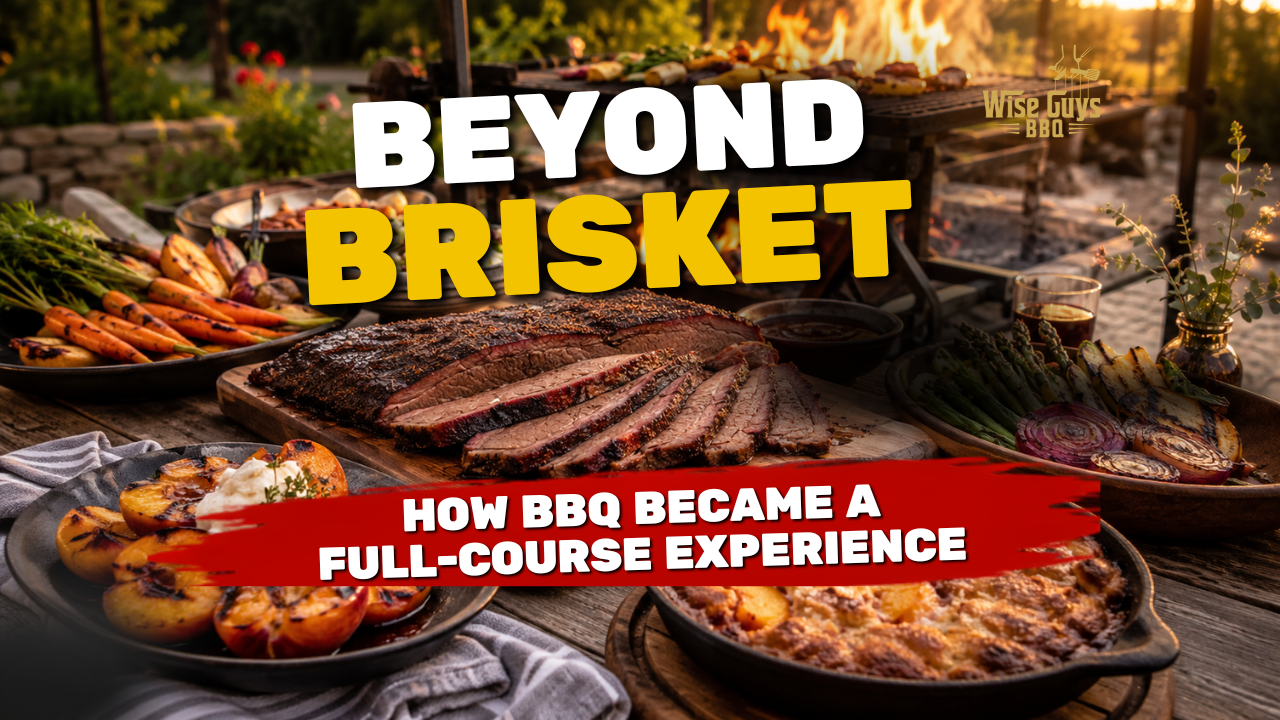
It was a cast-iron skillet sitting quietly beside a bed of glowing embers. Inside, peach halves slowly softened as their juices bubbled with brown sugar, cinnamon, and butter. Nearby, rainbow carrots caramelized over white oak, while a head of cabbage turned black around the edges before revealing a surprisingly sweet center. A pineapple rotated lazily above the fire, its sugars slowly transforming into a glossy amber glaze.
The brisket was magnificent, of course.
But for the first time, it wasn’t the only story being told around the fire.
That evening reminded me of something I first discovered while cooking asado in Argentina. Around a real fire, nothing is an afterthought. Every ingredient has a purpose. Every course earns its place. Vegetables aren’t simply sides. Fruit isn’t reserved for dessert. Fire treats them all with equal respect.
That philosophy is quietly reshaping barbecue across America.
Today’s pitmasters aren’t abandoning tradition—they’re expanding it.
Fire Doesn’t Care What You’re Cooking
One of the beautiful truths about live-fire cooking is that flames don’t recognize categories.
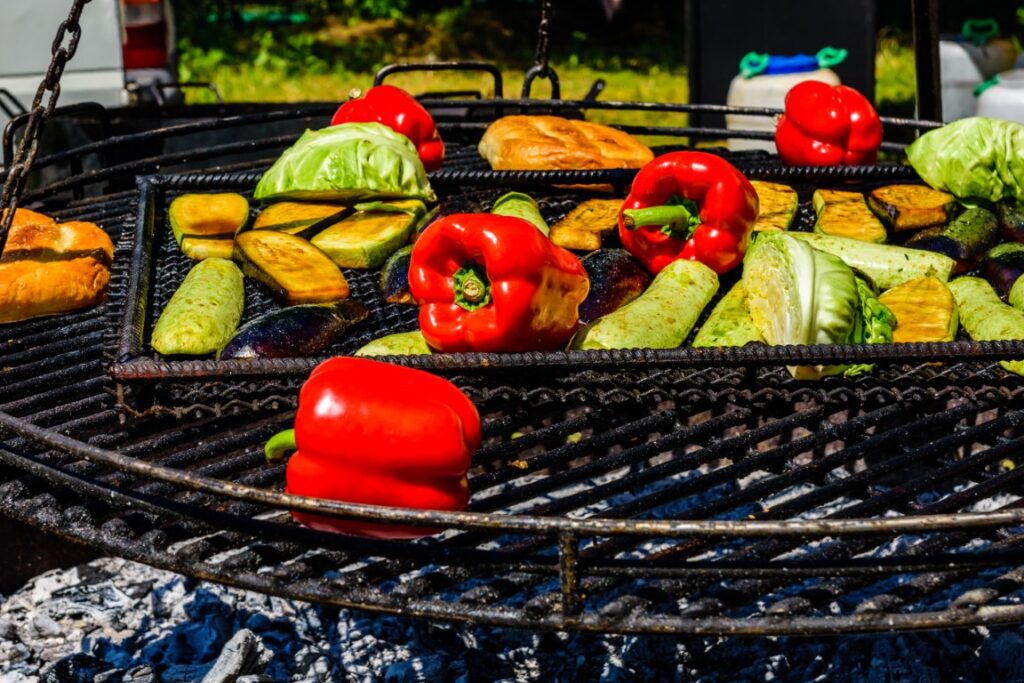
To fire, a ribeye, a peach, a mushroom, and a loaf of sourdough are simply ingredients waiting to be transformed.
Smoke adds depth.
Heat creates sweetness.
Embers develop texture.
The same principles that turn an inexpensive beef brisket into something extraordinary can elevate vegetables and fruit into unforgettable dishes.
It’s one of the reasons live-fire cooking feels more creative today than it has in decades.
We’re no longer asking, “What meat should we smoke?”
We’re asking, “What else belongs over these coals?”
The Unexpected Star of Summer: Grilled Fruit
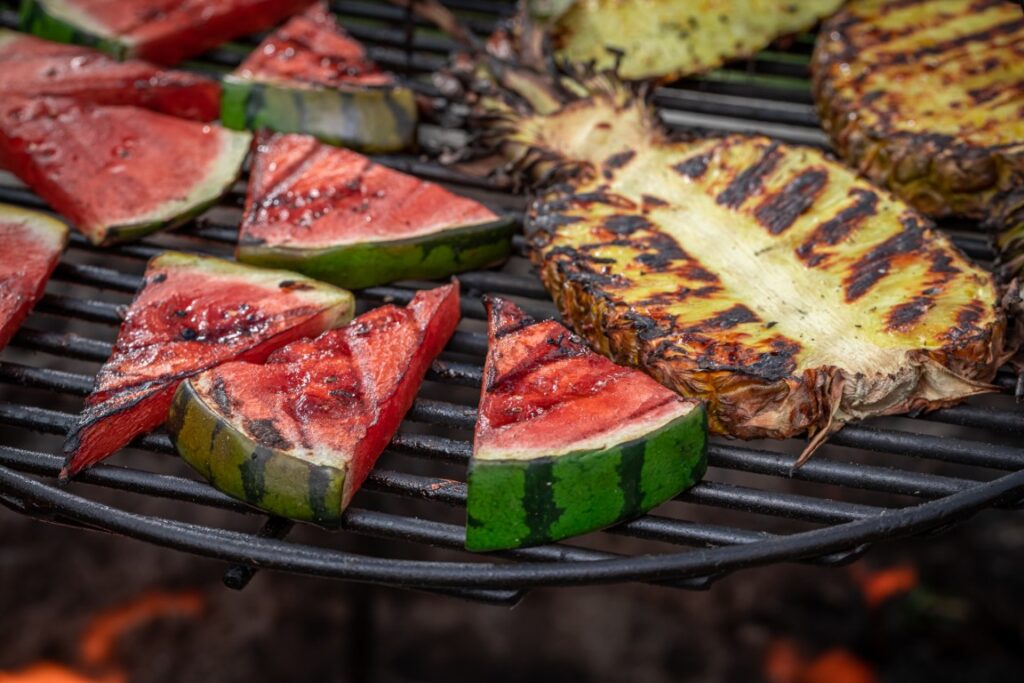
I still smile every time someone hesitates before taking their first bite of grilled peaches.
There’s always the same expression.
Curiosity.
Then surprise.
Then an immediate reach for another slice.
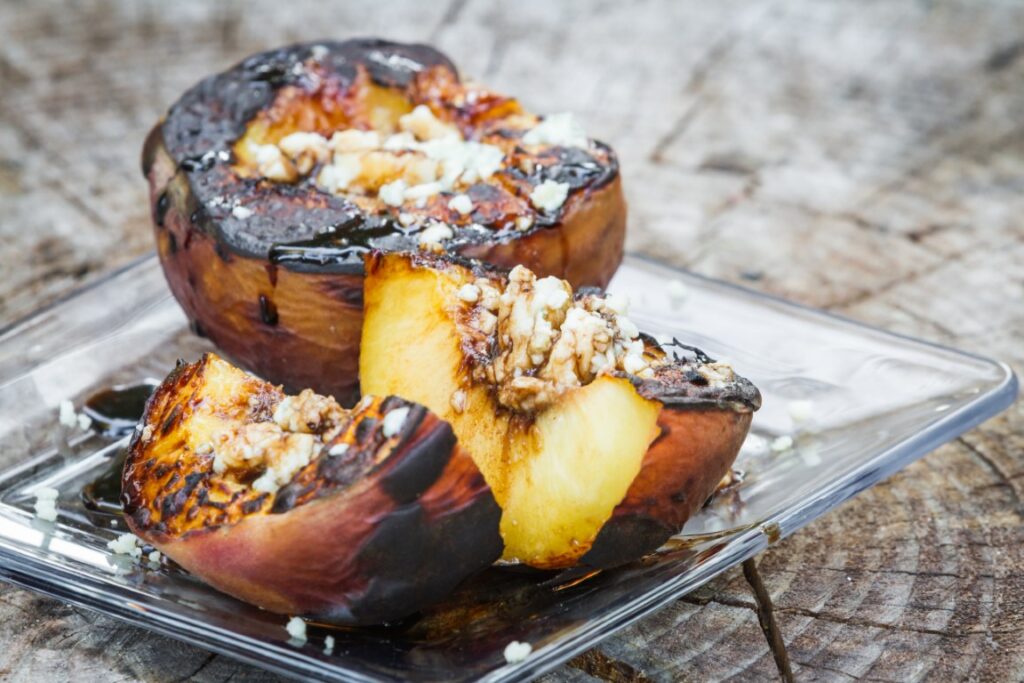
Fresh peaches already possess remarkable sweetness, but live fire changes their personality completely. Their sugars caramelize while their juices concentrate. The fruit becomes richer, softer, and almost buttery while still maintaining enough brightness to balance heavier barbecue dishes.
Served beside smoked pork or topped with vanilla bean ice cream, grilled peaches have become one of summer’s most elegant expressions of barbecue.
Pineapple undergoes a similar transformation.
Its acidity mellows.
Its sweetness intensifies.
The edges become beautifully caramelized while the interior remains juicy.
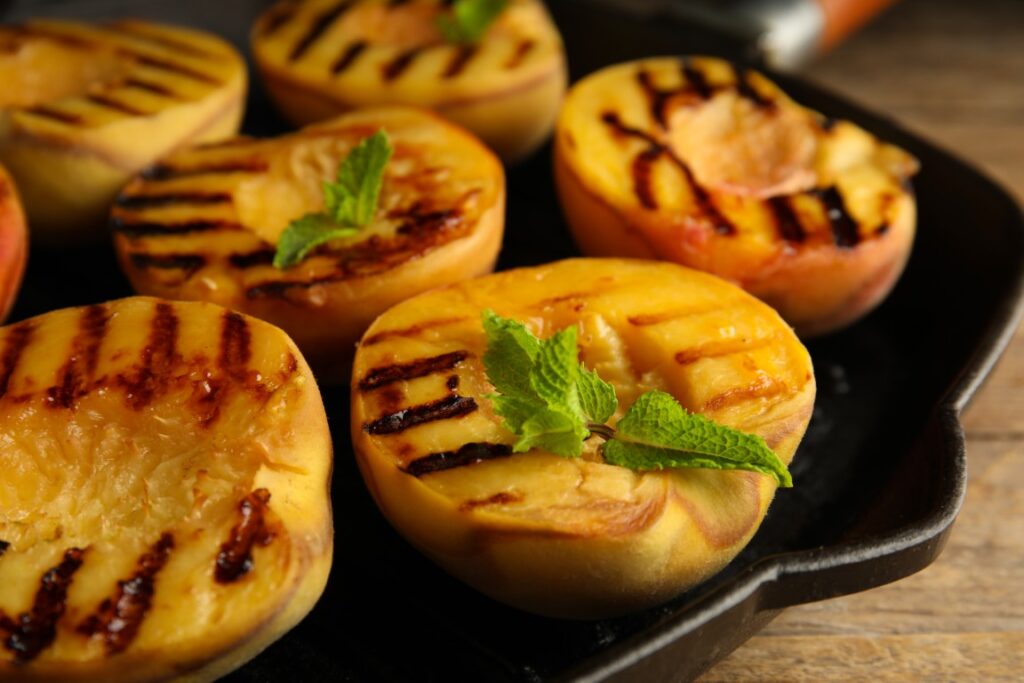
Whether paired with pork belly, grilled chicken, or enjoyed entirely on its own, grilled pineapple reminds us that smoke isn’t reserved for savory food.
One of the emerging trends for 2026 is the growing popularity of grilled fruit, especially peaches and pineapple, as both side dishes and smoked desserts.
Vegetables Finally Get Their Place Beside the Fire
For far too long, vegetables occupied the children’s table of barbecue.
They arrived in foil packets.
Or they sat untouched in bowls of salad while everyone rushed toward the brisket.
Thankfully, that’s changing.
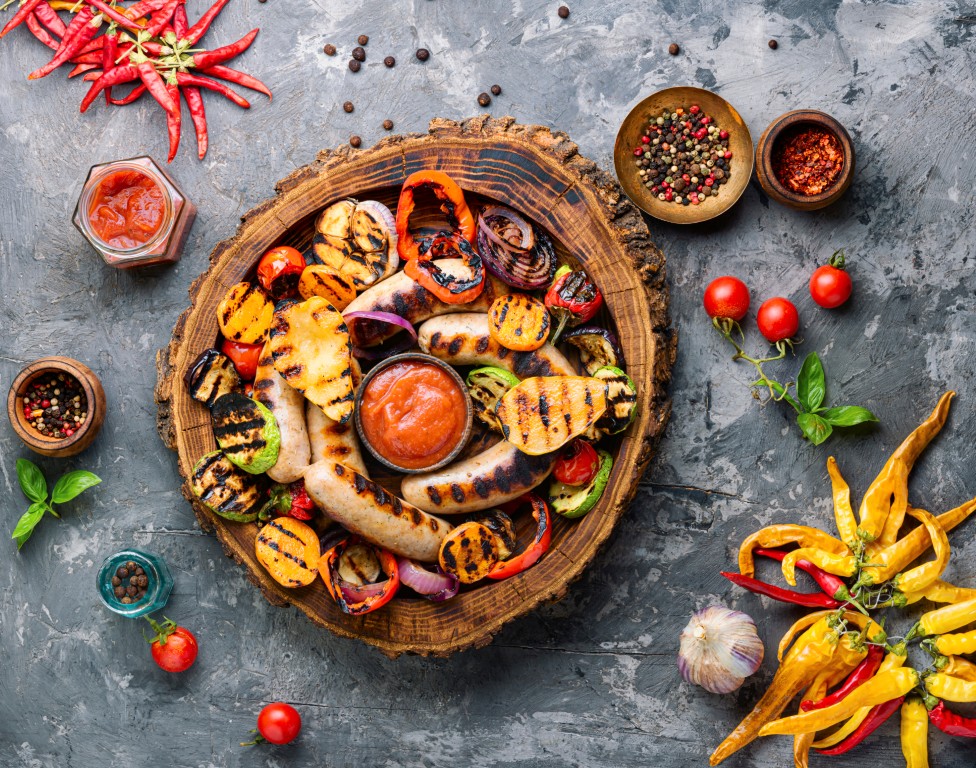
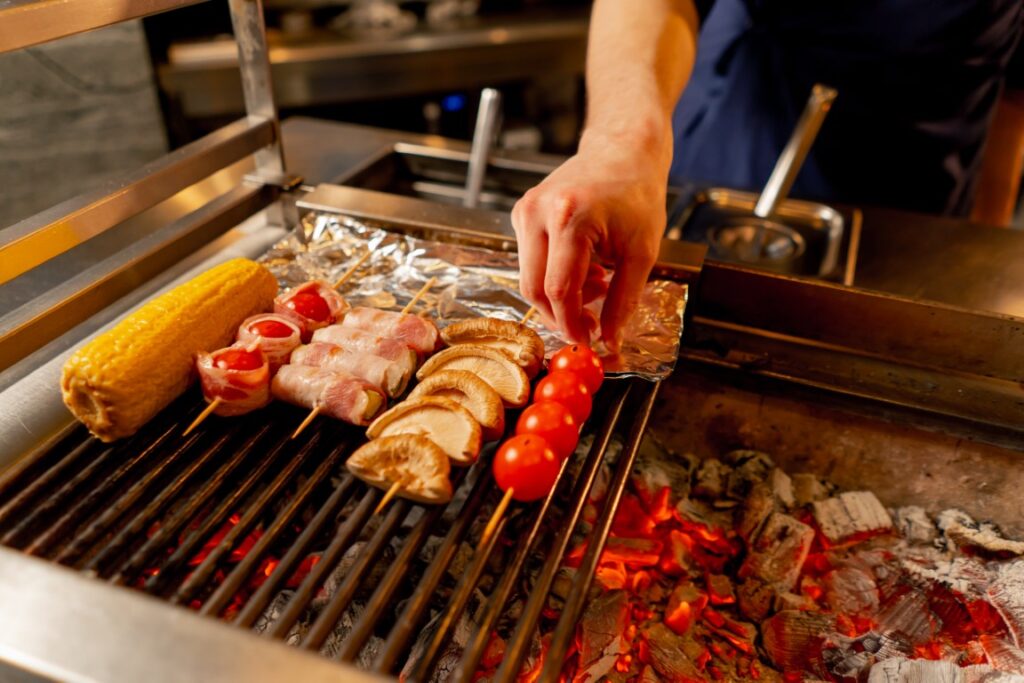
Today’s pitmasters are treating vegetables with the same patience once reserved only for meat.
Whole carrots roast directly over hardwood embers until naturally sweet.
Brussels sprouts blister before being tossed with bacon and balsamic.
Cauliflower develops a smoky crust that rivals any steak.
Even humble cabbage becomes something entirely different after spending an hour near glowing coals.
Smoke reveals flavors we often overlook.
Vegetables stop feeling like obligations and begin feeling like destinations.
Healthy grilling recommendations increasingly encourage pairing lean proteins with colorful vegetables, proving that outdoor cooking can be both deeply satisfying and nutritionally balanced.
Live Fire Has No Finish Line
Perhaps that’s why I love Santa Maria grills so much.
Unlike many modern cookers that encourage you to close a lid and wait, a Santa Maria grill keeps you engaged.
You adjust the grate.
You watch the embers.
You learn the personality of the fire.
One moment you’re searing a tri-tip over glowing hardwood.
Minutes later you’ve raised the grate to gently roast asparagus, blister peppers, or soften figs without ever leaving the fire.
It’s cooking that rewards observation instead of automation.
The grill becomes less like an appliance and more like an instrument.
That flexibility is one reason Santa Maria grills continue gaining popularity among cooks who want to prepare complete meals over live fire.
Dessert Belongs Beside the Coals
If someone had suggested smoked cheesecake to me ten years ago, I probably would have smiled politely.
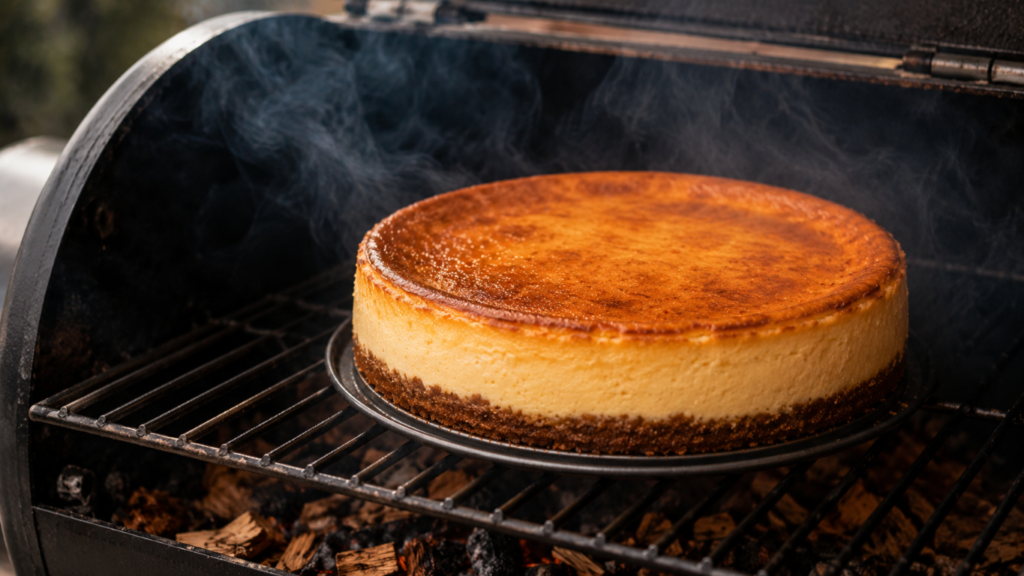
Now I’d happily ask for a second slice.
Smoke, when used gently, adds complexity rather than dominance.
Cheesecake develops an almost toasted vanilla character.
Apple crisp cooked in cast iron becomes deeper and richer.
Bread pudding absorbs subtle oak notes that pair beautifully with bourbon caramel.
One of my favorite endings to a cook is astonishingly simple.
A cast-iron skillet.
Fresh berries.
A buttery biscuit topping.
Forty-five minutes beside the coals.
No complicated techniques.
Just patience.
The fire does the rest.
Why This Movement Feels So Natural
I don’t believe barbecue is changing because people suddenly want less meat.
Brisket remains extraordinary.
Ribs still disappear faster than anything else on the table.
Pulled pork continues to bring crowds together.
What’s changing is our understanding of what belongs beside those classics.
Modern barbecue is becoming more generous.
More colorful.
More welcoming.
There’s something for everyone now.
The vegetarian guest.
The child who loves pineapple.
The friend who saves room for dessert.
The seafood lover.
The person who simply wants another excuse to gather around the fire.
Barbecue has become less about serving meat and more about creating an experience.
Around the Fire, Every Course Matters
Perhaps that’s the lesson I continue carrying home from every live-fire gathering I attend.
The fire isn’t merely cooking dinner.
It’s slowing us down.
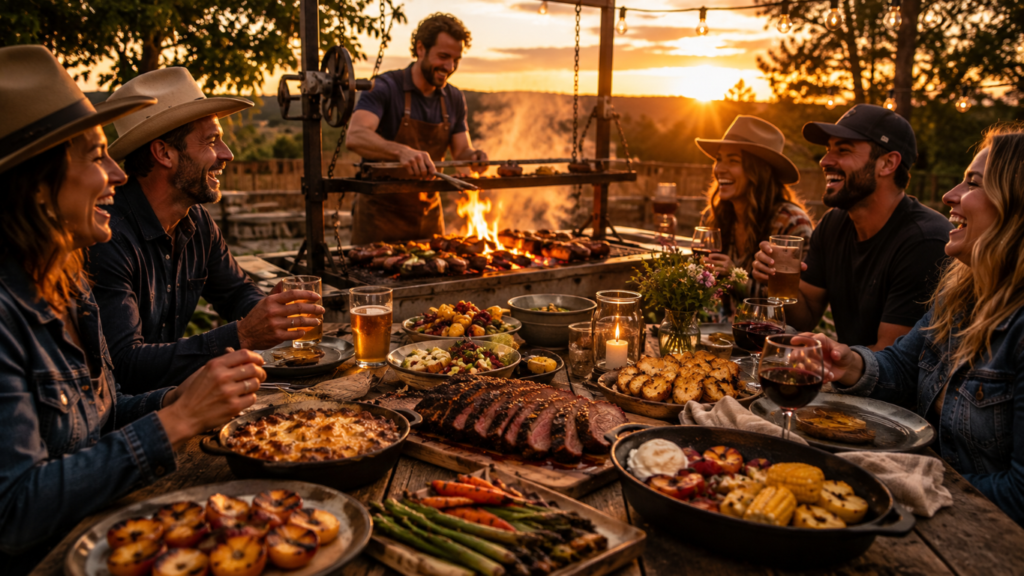
Conversations linger while vegetables roast.
Children gather around waiting for marshmallows.
Someone inevitably asks about the peaches.
Another wants to know what wood you’re burning.
Nobody rushes.
Nobody watches the clock.
The meal unfolds naturally because the fire demands patience.
And somewhere between the first slice of brisket and the last spoonful of cobbler, everyone realizes the same thing.
The best barbecue was never just about meat.
It was always about the people gathered around the fire.
Today, we’re simply giving every course the opportunity to tell its own story.