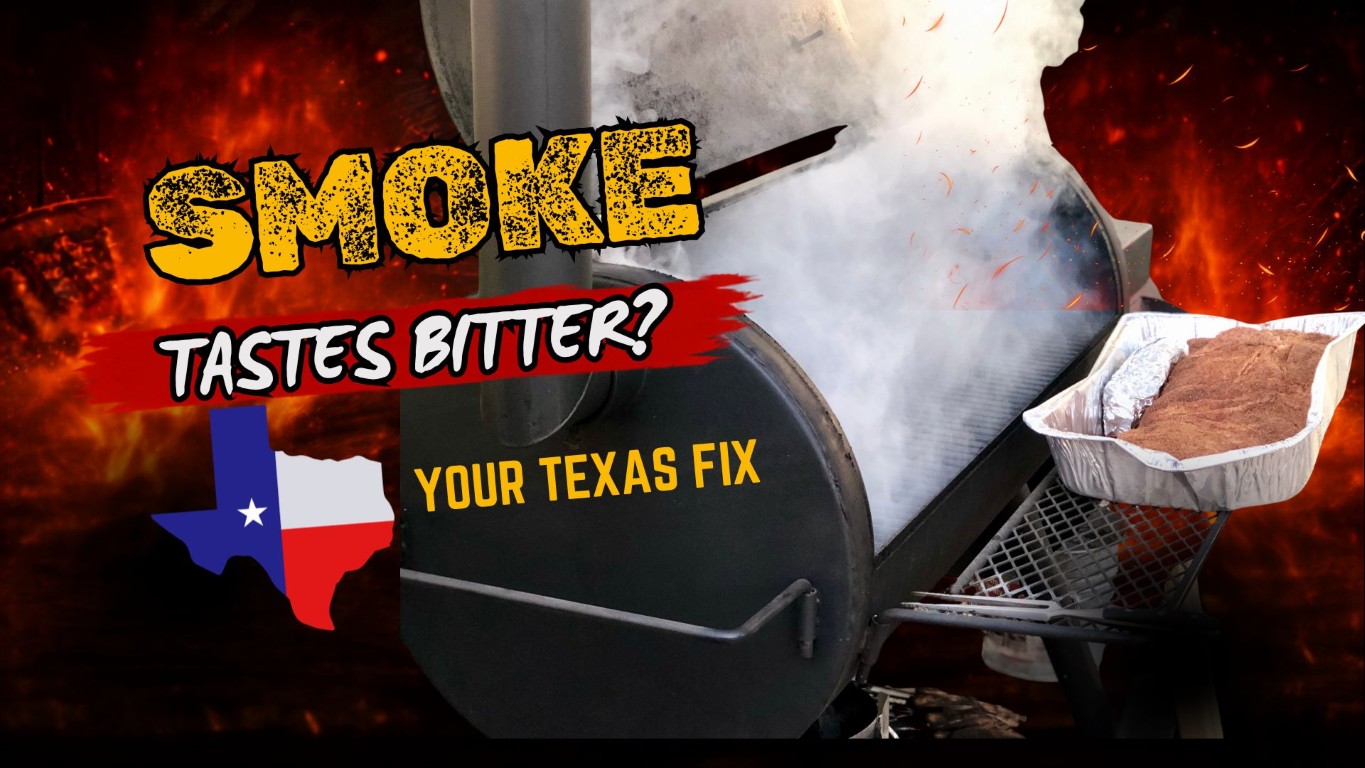
The Moment You Know Something’s Wrong
You did everything right—or so you thought. The fire was rolling, the rub was dialed in, and that brisket looked like it belonged on a magazine cover. But then you took a bite… and there it was.
That sharp, acrid, bitter punch.
Not smoke-kissed. Not rich. Not “low and slow magic.”
Just… wrong.
Here’s the truth most backyard pitmasters don’t want to hear: bad smoke will ruin great meat faster than bad seasoning ever could. And the kicker? It’s almost always preventable.
Let’s break down exactly why your smoke turns bitter—and how to fix it like a pro.
Dirty Smoke: The #1 Flavor Killer
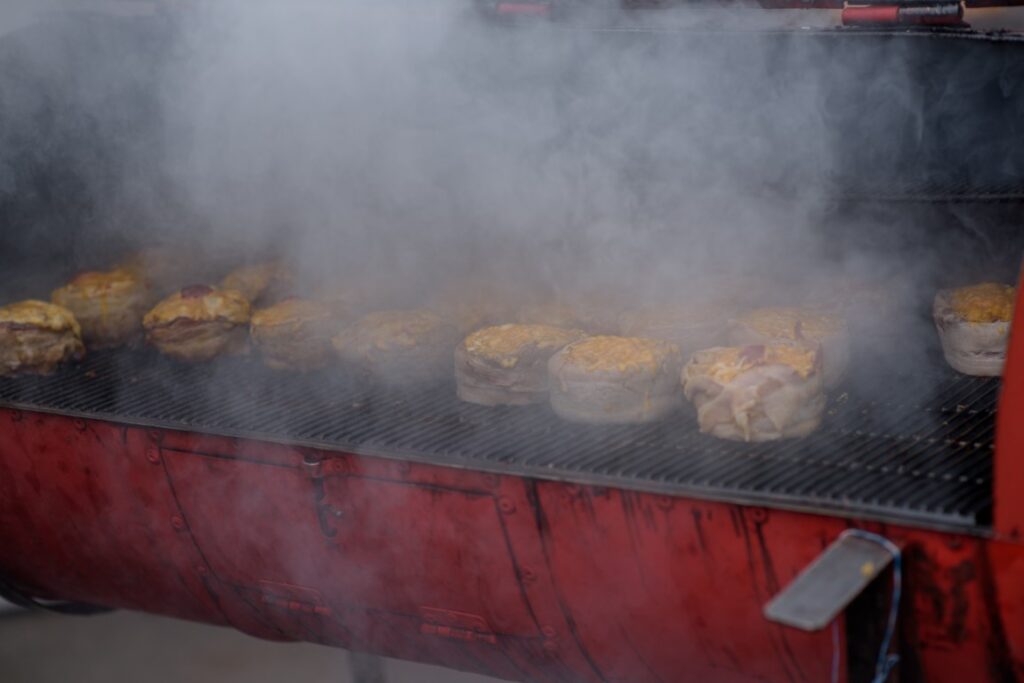
If your smoke looks like a freight train rolling through your backyard, you’ve already lost.
Clean smoke = thin, light blue, almost invisible.
Dirty smoke = thick, white, gray, or yellow.
That heavy smoke is loaded with unburned particles—creosote being the biggest offender. That’s the same bitter compound that builds up in chimneys… and now it’s coating your ribs.
This ties directly to fuel quality and combustion. As outlined in your BBQ fuel fundamentals, fuel isn’t just heat—it’s an ingredient that shapes flavor . When combustion is incomplete, you’re not cooking—you’re contaminating.
How to Fix It
- Open your vents—fire needs oxygen
- Preheat your wood before adding it
- Don’t overload the firebox
- Aim for steady combustion, not smoldering
Rule of thumb: If you can see your smoke clearly, it’s probably already too dirty.
Your Fuel Might Be the Problem
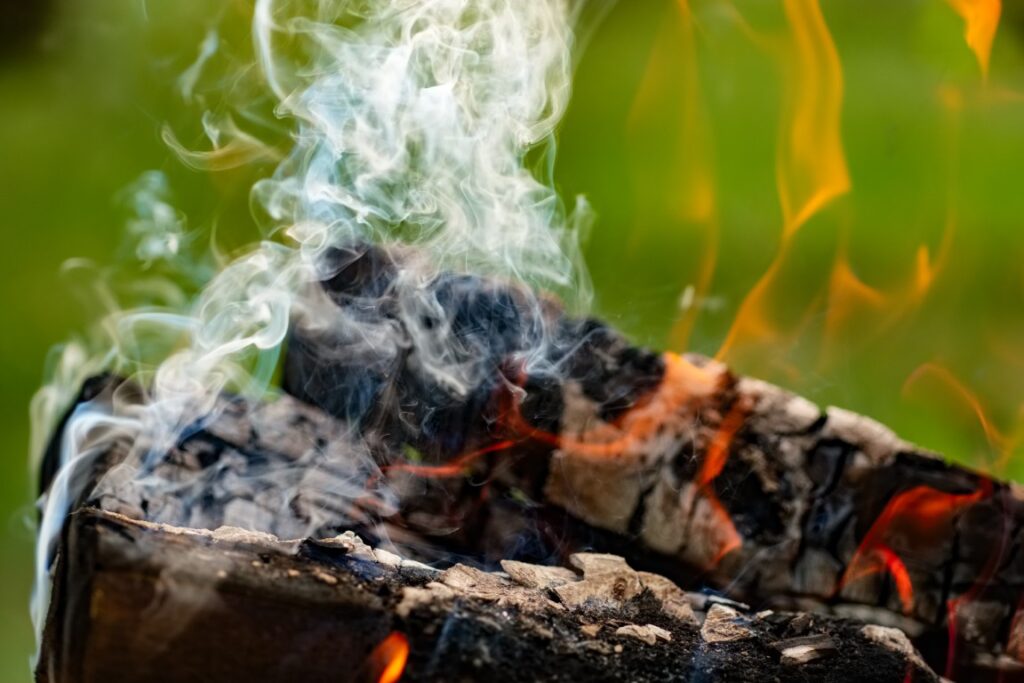
Let’s talk fuel—because this is where a lot of guys unknowingly sabotage themselves.
Different fuels burn differently, and that directly impacts flavor. Charcoal, wood, pellets—they all bring unique smoke profiles and heat behavior .
Common Mistakes
- Using wet or green wood → produces thick, bitter smoke
- Cheap charcoal with fillers → chemical aftertaste
- Too much mesquite → overpowering, harsh flavor
- Not mixing fuel types properly
How to Fix It
- Use dry, seasoned hardwood only
- Upgrade to natural lump charcoal for cleaner burn
- Match wood to meat (apple for pork, hickory for beef)
- Add wood in small, controlled amounts
Pro tip: You’re not trying to smoke out the meat—you’re trying to season it with smoke.
You’re Over-Smoking Your Meat
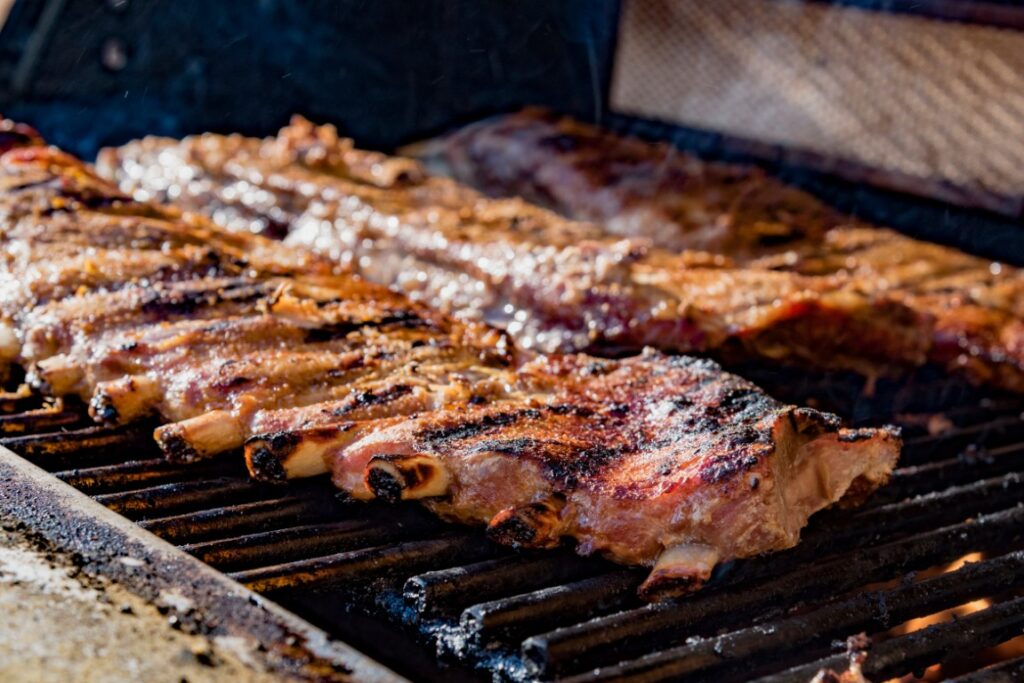
Here’s a myth that needs to die:
More smoke ≠ better barbecue
Meat only absorbs smoke flavor during the early phase of the cook—typically the first few hours. After that, you’re just layering bitterness on top of bitterness.
Ironically, the same chemistry that gives us incredible flavor—the Maillard reaction—can turn against you when pushed too far. That beautiful browning process creates rich compounds and aromas when controlled properly . But combine that with excessive smoke, and you get harsh, overdeveloped flavors instead of balance.
How to Fix It
- Focus smoke early, then let heat do the work
- Wrap (Texas crutch) once bark is set
- Stop adding wood mid-to-late cook
- Balance smoke with airflow and time
Think of smoke like salt—just enough makes it perfect. Too much ruins everything.
Poor Airflow = Bitter Results
Bad airflow is the silent killer of great barbecue.
When your fire can’t breathe, it smolders. And smoldering fuel creates—you guessed it—dirty smoke.
BBQ at its core is about fire management and control, not just cooking meat. The entire journey—fire, airflow, patience—is what defines great barbecue .
Signs Your Airflow Is Off
- Thick smoke lingering in the chamber
- Fire struggling to stay lit
- Bitter smell before you even taste the food
How to Fix It
- Keep intake and exhaust vents open and balanced
- Don’t choke the fire to control temp—adjust fuel instead
- Clean out ash buildup regularly
- Use a proper coal bed before adding wood
A clean-burning fire is a happy fire—and a happy fire makes great food.
Grease Fires & Flare-Ups Are Ruining Flavor
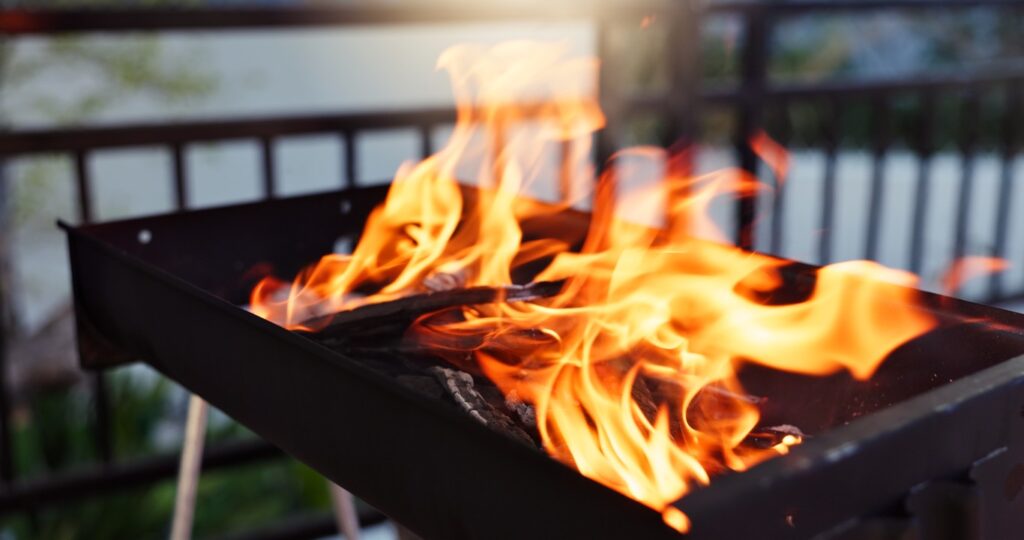
You ever get that bitter, almost burnt-oil taste?
That’s not smoke—it’s burning grease.
When fat drips onto coals or flames, it vaporizes. A little of that gives you classic barbecue flavor. Too much? It turns acrid fast.
How to Fix It
- Use two-zone cooking (direct + indirect heat)
- Trim excess fat where appropriate
- Keep your grill clean
- Avoid constant flare-ups
You want controlled flavor—not a grease fire inferno.
The Grace Whitaker Fix: Clean Smoke Blueprint
Let’s simplify this into something you can actually use next cook:
1. Start Clean
- Clean pit, clean grates, clean firebox
2. Build the Right Fire
- Lump charcoal base
- Add small chunks of dry hardwood
3. Watch the Smoke
- Wait for thin blue smoke before adding meat
4. Control Airflow
- Oxygen = clean combustion
5. Don’t Overdo It
- Smoke early, then let heat finish the job
Final Word: Smoke Is a Flavor, Not a Weapon
Barbecue isn’t about overpowering meat—it’s about enhancing it.
When you get it right, smoke adds depth, richness, and that unmistakable “what the hell is that flavor?” moment that keeps people coming back.
When you get it wrong?
It tastes like you licked the inside of a chimney.
So next time your BBQ turns bitter, don’t blame the meat.
Blame the fire. Then fix it.
And when you do…
That’s when the magic starts.
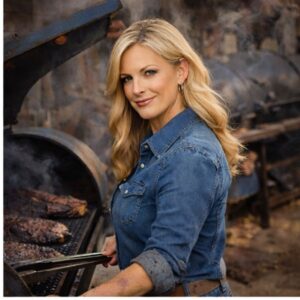
Grace Whitaker writes from Austin, Texas, where the smoke is clean, the brisket is sacred, and nobody blames the meat.