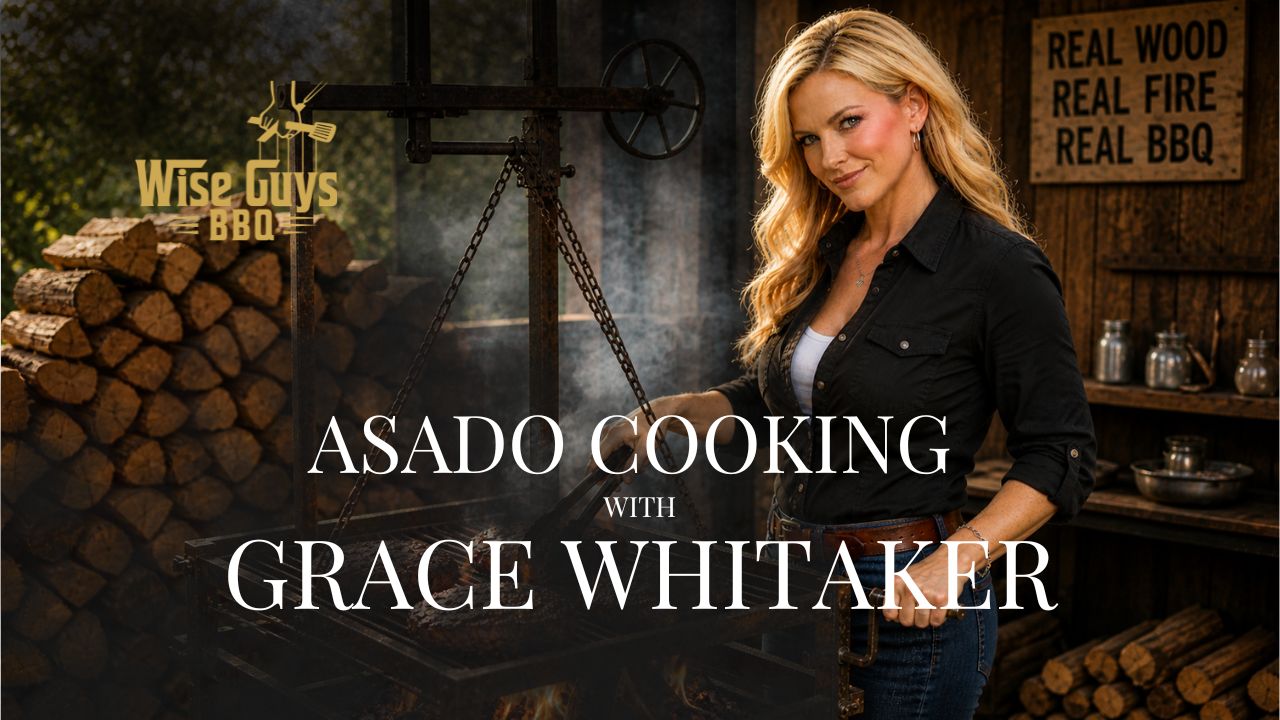
There was a moment—just after the fire settled—when nobody spoke.
No timers. No thermometers chirping. No frantic flipping. Just the quiet crackle of hardwood collapsing into embers and a man standing beside it like he’d been there his whole life.
That was my introduction to an Argentine asado.
And somewhere between the fire, the salt, and the silence… I realized I’d been cooking wrong.
The Fire Comes First
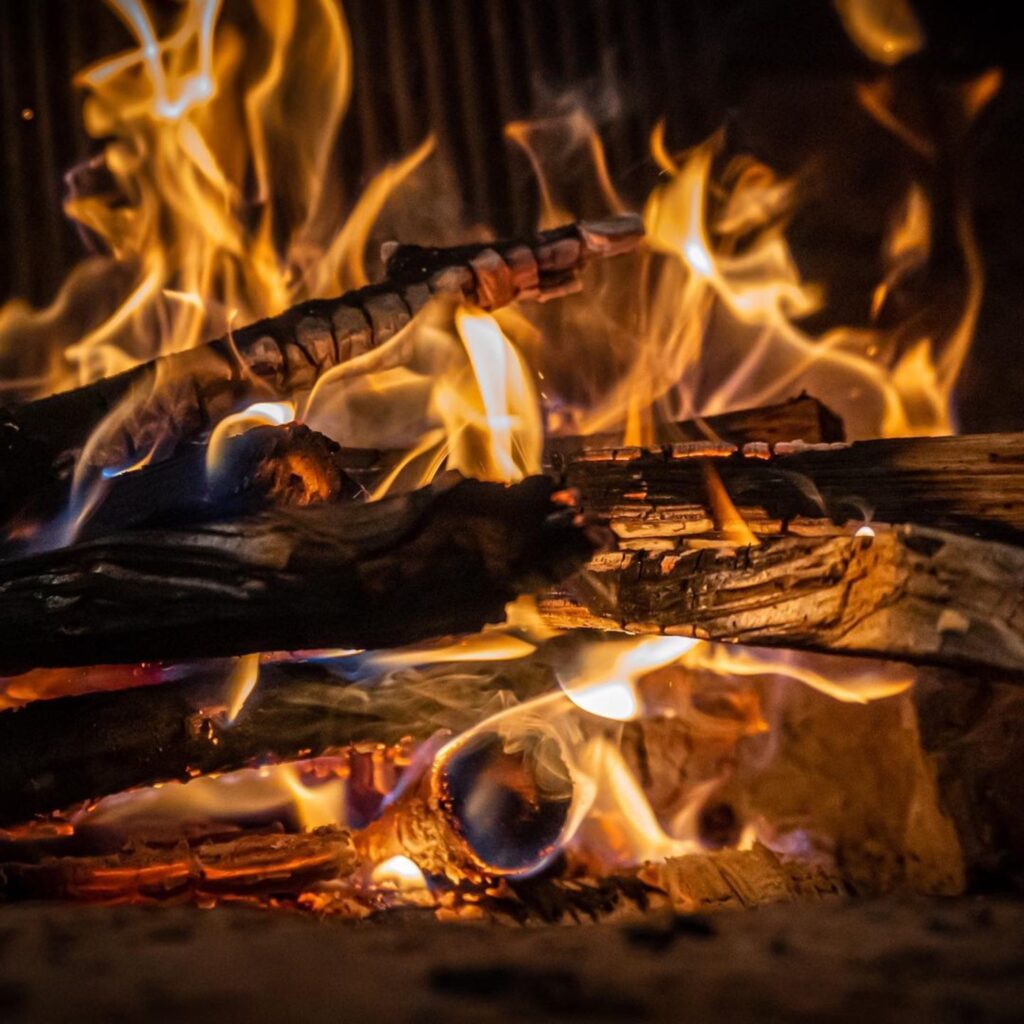
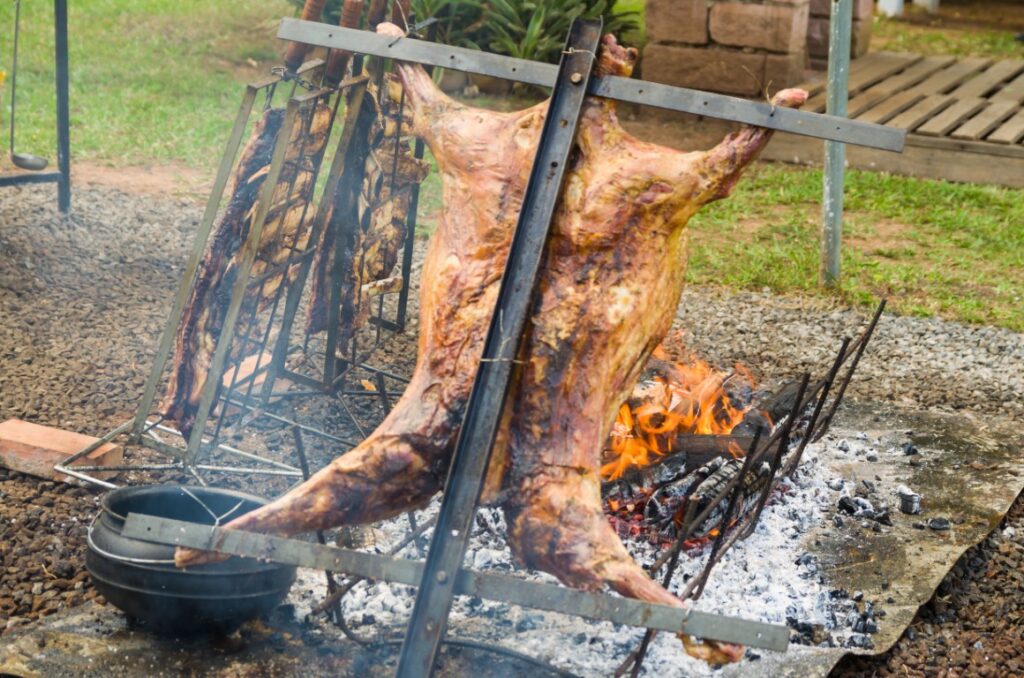
Before meat ever touched steel, before knives were sharpened or wine poured, there was the fire.
Not lit casually—but built.
The asador, the grill master, didn’t rush it. He stacked hardwood with intention, letting it burn down slowly into glowing coals. No shortcuts. No propane hiss. No lighter fluid theatrics.
Because in Argentina, fire isn’t a tool—it’s an ingredient.
That idea hit me hard. Back home, we talk about fuel in terms of convenience—pellets, gas, charcoal blends—but rarely do we treat it with reverence. Yet, as explored in modern BBQ fundamentals, the fuel you choose defines not just heat, but flavor, rhythm, and identity .
Here, the fire dictated everything.
And the asador listened.
Salt, and Nothing Else
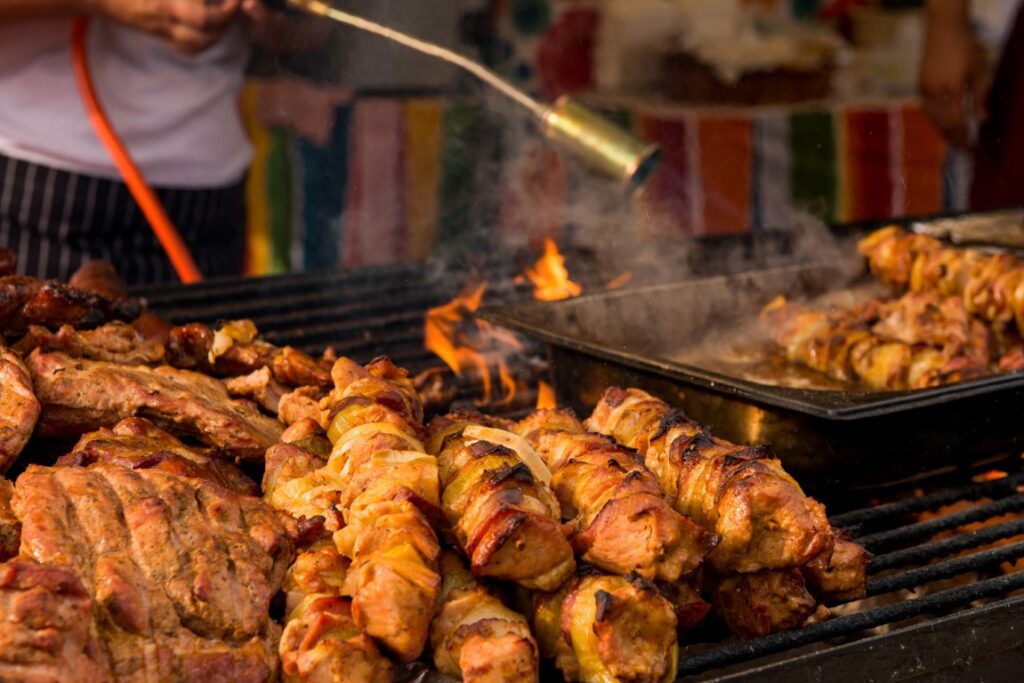
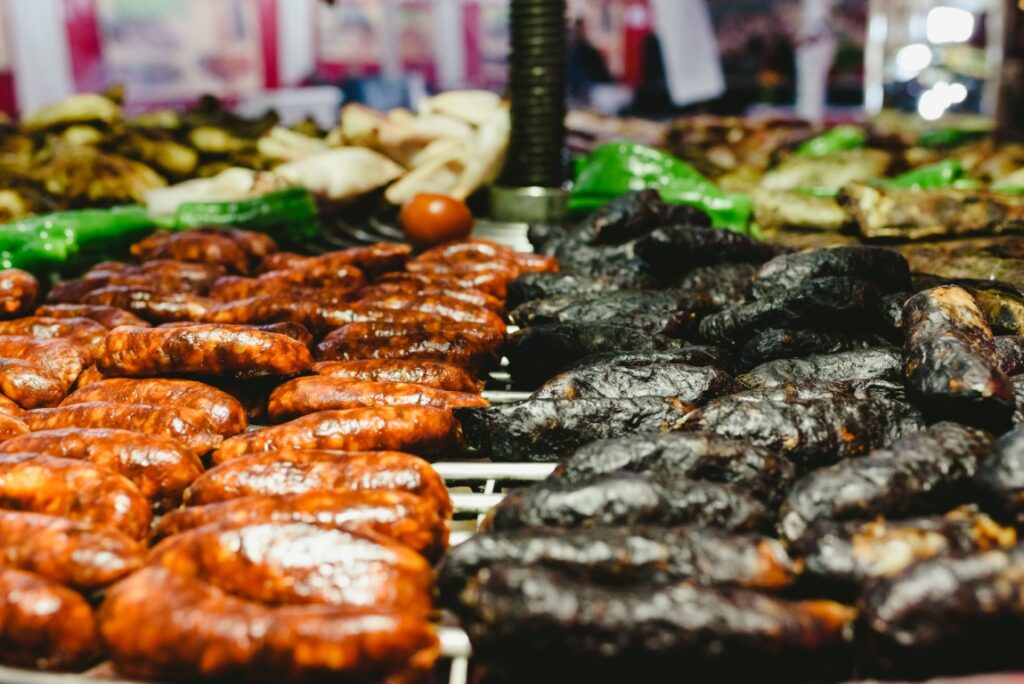
When the meat finally came out—thick-cut ribs, sausages, slabs of beef—it wasn’t coated in layers of rubs or sauces.
Just salt.
Coarse. Generous. Honest.
No paprika. No brown sugar. No “secret blend.”
At first, it felt incomplete—like a sentence missing its ending. But then I tasted it.
And it didn’t need anything else.
The smoke from the wood, the fat rendering slowly over hours, the natural flavor of the beef—it all spoke clearly, without interruption. It reminded me of something we often forget in American BBQ culture: more isn’t always better.
Sometimes, more just gets in the way.
Stop Touching the Meat
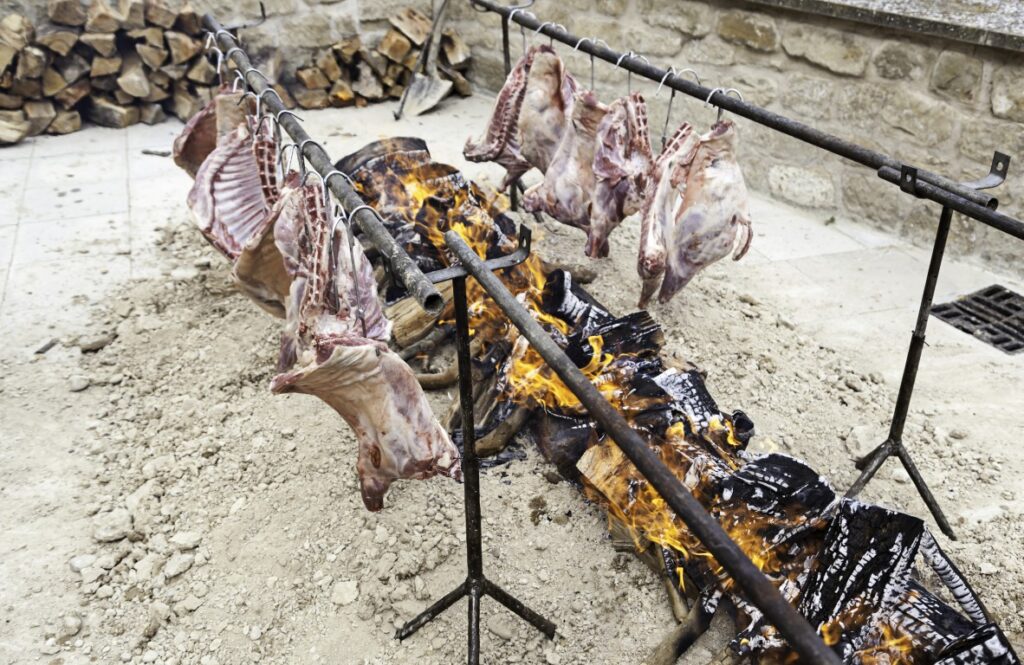
If there’s one thing that would drive an American pitmaster insane, it’s this:
The meat doesn’t move.
No constant flipping. No squeezing. No checking every five minutes like you’re waiting on a text back.
The asador placed the meat… and then he let it be.
Time did the work.
Fire did the work.
Patience did the work.
Back home, we obsess. We poke, prod, spritz, wrap, unwrap, re-season, rotate. We turn barbecue into a performance of control. But standing there, watching that meat cook undisturbed, I realized something uncomfortable:
We don’t trust the process.
In Argentina, they do.
The Asador Is Not a Cook—He’s a Conductor
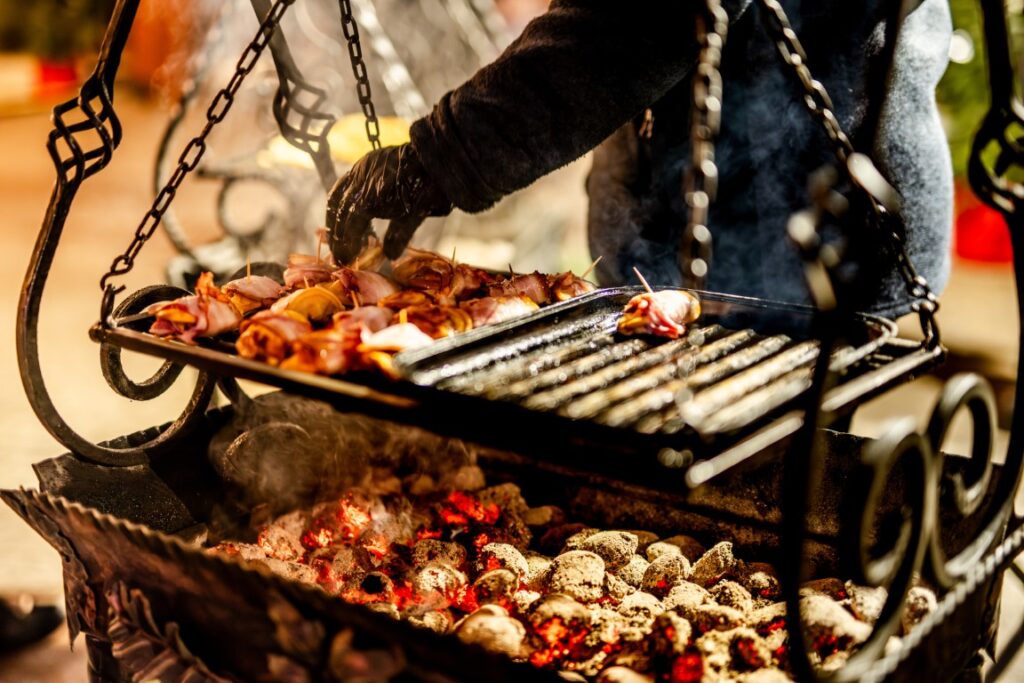
There was no chaos around that fire. No multiple people arguing temperatures or debating techniques.
One man controlled everything.
The asador.
He didn’t hover. He didn’t show off. He simply knew—when to move coals, when to raise the grate, when to let the fire breathe. It wasn’t mechanical; it was instinctual.
Watching him felt less like observing a cook and more like watching a musician conduct an orchestra.
Fire, meat, time—each one playing its part.
And the result wasn’t just food.
It was harmony.
The Silence We’re Missing
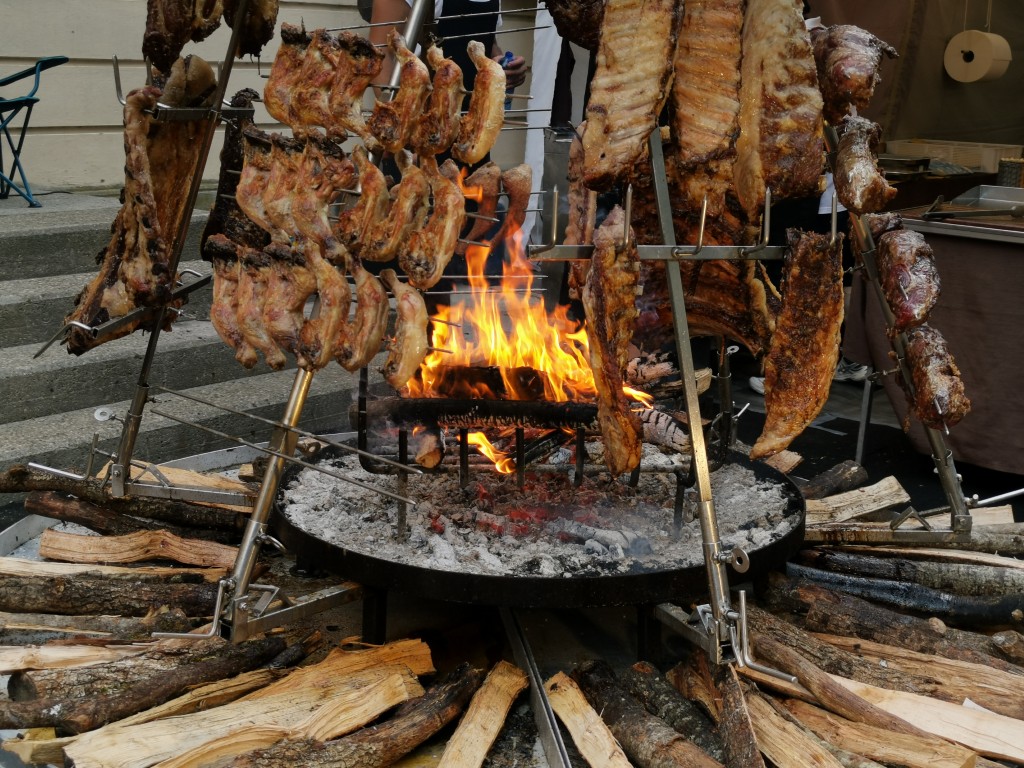
Here’s the part that stayed with me the most:
Nobody rushed to eat.
Nobody hovered over the grill asking, “Is it ready yet?”
People talked. They drank wine. They laughed. They waited.
The meal wasn’t the event—the process was.
That idea echoes something we’ve long understood but rarely practice: barbecue isn’t just about the final plate—it’s about the journey, the connection, the experience.
In American BBQ culture, we often chase the finish line. The perfect bark. The ideal slice. The Instagram moment.
But in Argentina?
They live in the middle of the cook.
What American BBQ Gets Right… and Wrong
Let me be clear—we do a lot right.
Our regional diversity, our innovation, our obsession with technique—it’s what makes American BBQ one of the most dynamic food cultures in the world.
But we also overcomplicate things.
We turn simplicity into systems.
We replace instinct with gadgets.
We trade patience for precision.
And somewhere along the way, we lose the quiet.
What I Brought Home
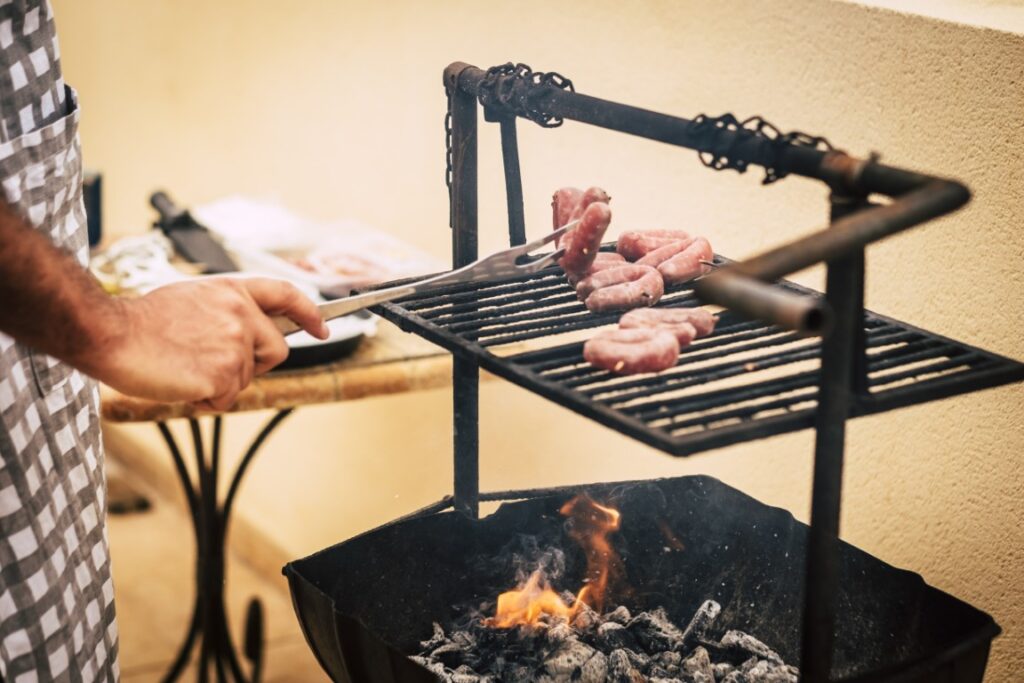
I didn’t come back from that asado with a new rub recipe or a secret technique.
I came back with something harder to define—and harder to practice.
I learned to:
- Build a fire instead of starting one
- Season less and taste more
- Touch the meat less and trust it more
- Let time do its job
- And most importantly… slow down
Because barbecue—real barbecue—isn’t about control.
It’s about surrender.
Fire, Salt, and Silence
Back in my backyard in Austin, I tried to recreate it.
No fancy rubs. No overthinking. Just wood, meat, salt, and time.
And for a brief moment, as the fire cracked and the smoke drifted upward, I felt it again—that same stillness.
That same clarity.
That same understanding that cooking, at its best, isn’t loud.
It’s quiet.
And if you listen closely… the fire will tell you everything you need to know.
So here’s the question, Wise Guys BBQ readers…
When was the last time you let the fire do the talking? 🔥