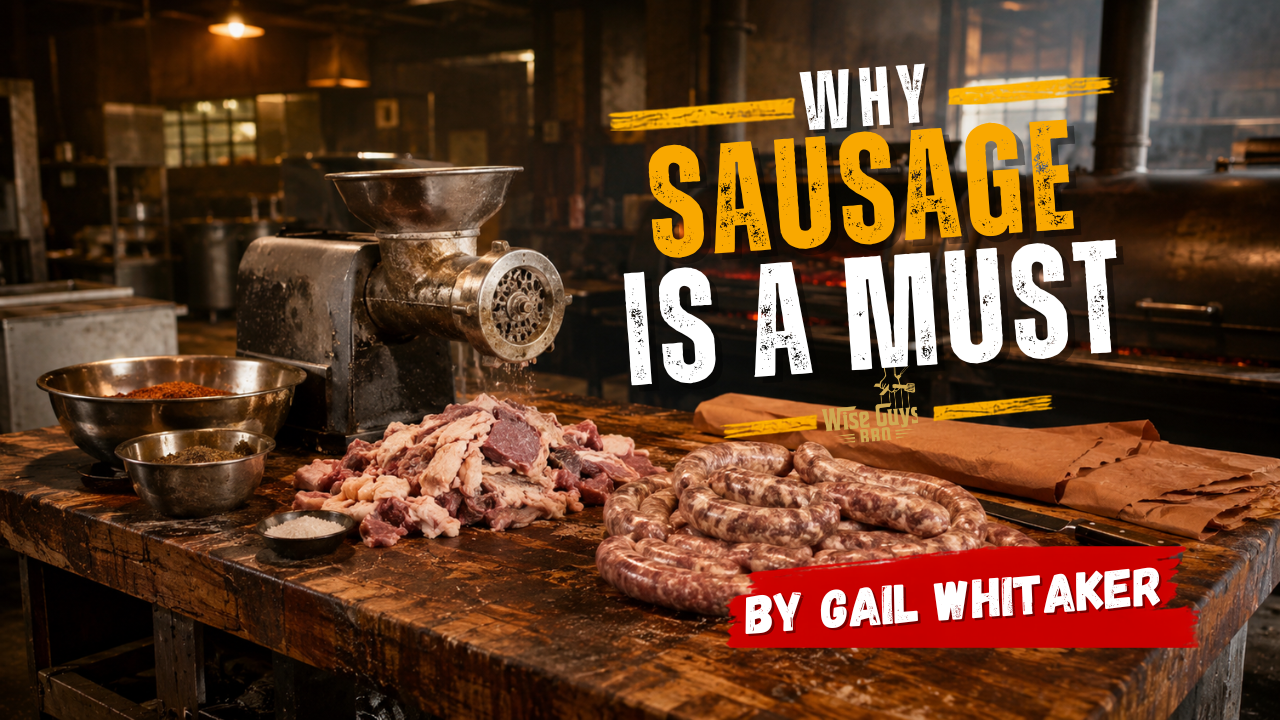
Walk into a serious barbecue restaurant early enough in the morning, and you will witness a familiar rhythm. Briskets are being shaped for the smoker. Pork shoulders are being cleaned up. Ribs are squared, seasoned, and arranged on racks. Knives move quickly across cutting boards as the pit crew prepares hundreds of pounds of meat for another day of service.
Along the edges of those cutting boards sits something too many restaurants overlook: trim.
Some pieces contain more fat than the restaurant wants on a sliced brisket. Others are too small or uneven to cook alongside the main cut. None may be attractive enough to place directly on a tray, but that does not mean they lack value.
In the hands of a thoughtful pitmaster, those pieces are not waste.
They are tomorrow’s sausage.
Sausage Is Part of Barbecue’s Working-Class History
House-made sausage is not simply another trendy addition to a barbecue menu. It is tied directly to the history of the craft.
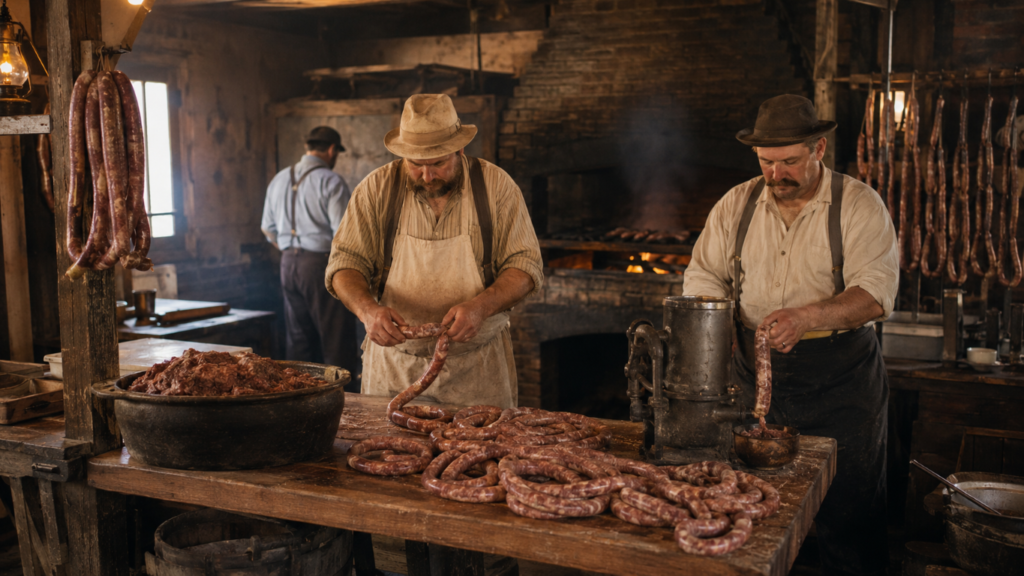
German and Czech immigrants brought their sausage-making traditions to Central Texas during the nineteenth century. Many worked as butchers, preserving and seasoning the portions of an animal that could not be sold as premium cuts. When meat-market barbecue began to take shape, smoked sausage naturally found its place beside brisket, ribs, and other pit-cooked meats.
That history explains why sausage remains an essential part of the traditional Texas barbecue tray. It was never created merely to fill an empty space on the menu. It was a practical method of respecting the animal, feeding the community, and making a meat business financially sustainable.
The same reasoning remains just as important today.
Turning Brisket and Pork Trim into Revenue
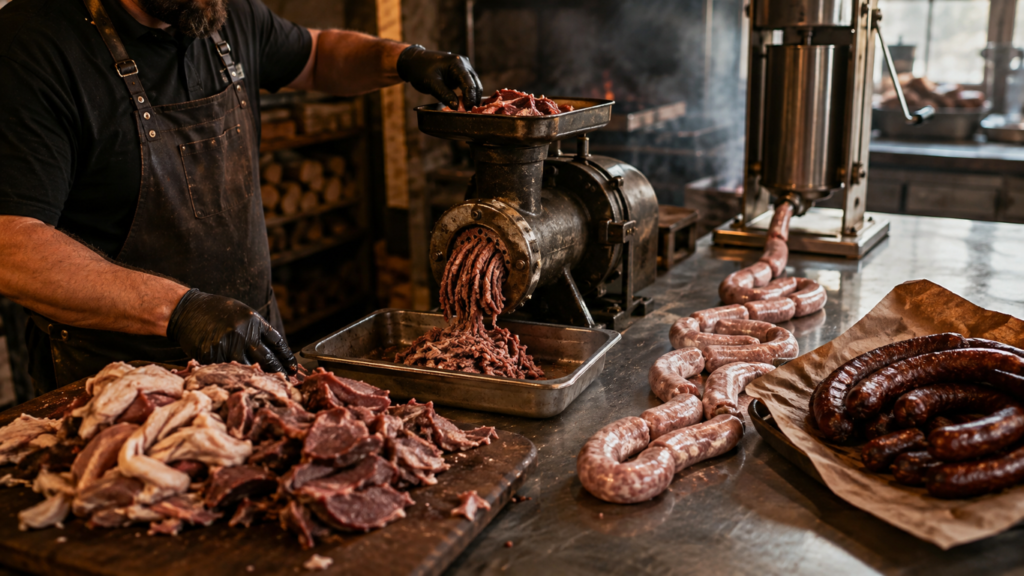
Brisket is expensive, and the price paid to a supplier does not represent the restaurant’s final usable cost.
Before a brisket reaches the smoker, a pitmaster may remove several pounds of hard fat, thin edges, and irregular pieces. Pork shoulders, pork bellies, and ribs also produce usable scraps during preparation. If every piece of trim is discarded, the restaurant is throwing away part of every dollar it spent purchasing that meat.
Imagine a restaurant preparing 40 briskets for a busy weekend. If each brisket produces only one pound of usable meat and fat trim, the kitchen has accumulated 40 pounds of potential sausage ingredients. That material has already been purchased. Throwing it away does not remove its cost—it simply guarantees that the restaurant will never recover it.
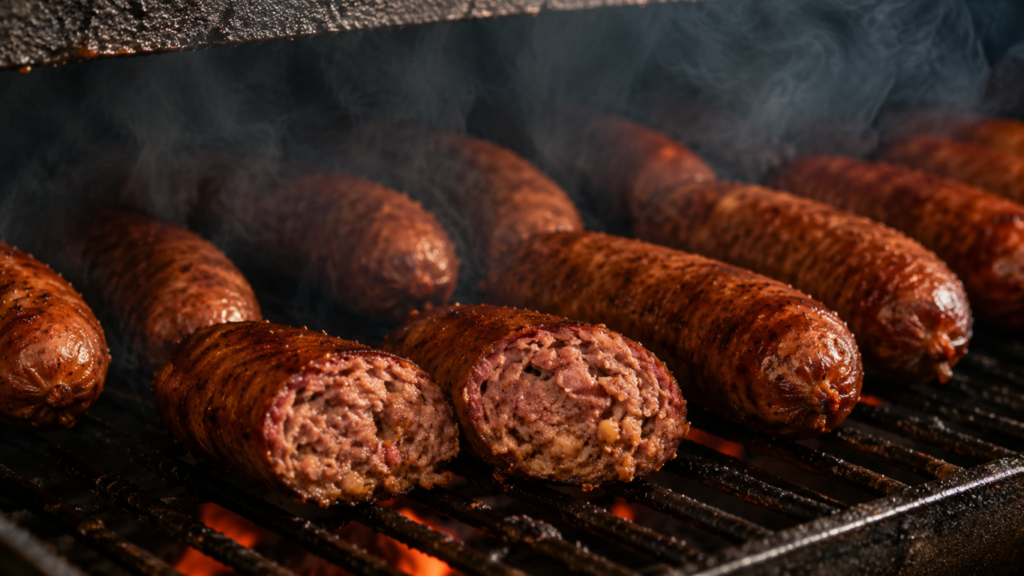
Combine that brisket trim with pork trim, season it properly, grind it, stuff it into casings, and smoke it. What had little value sitting beside the cutting board can become dozens of sellable sausage links.
A restaurant might serve those links individually, offer them as part of a two- or three-meat combination, add sliced sausage to a family platter, or feature them in sandwiches and appetizers. Even after accounting for casings, spices, labor, and equipment, sausage can help convert a loss into one of the restaurant’s most profitable menu items.
That is not cutting corners. That is intelligent food management.
Finding the Right Balance of Meat and Fat
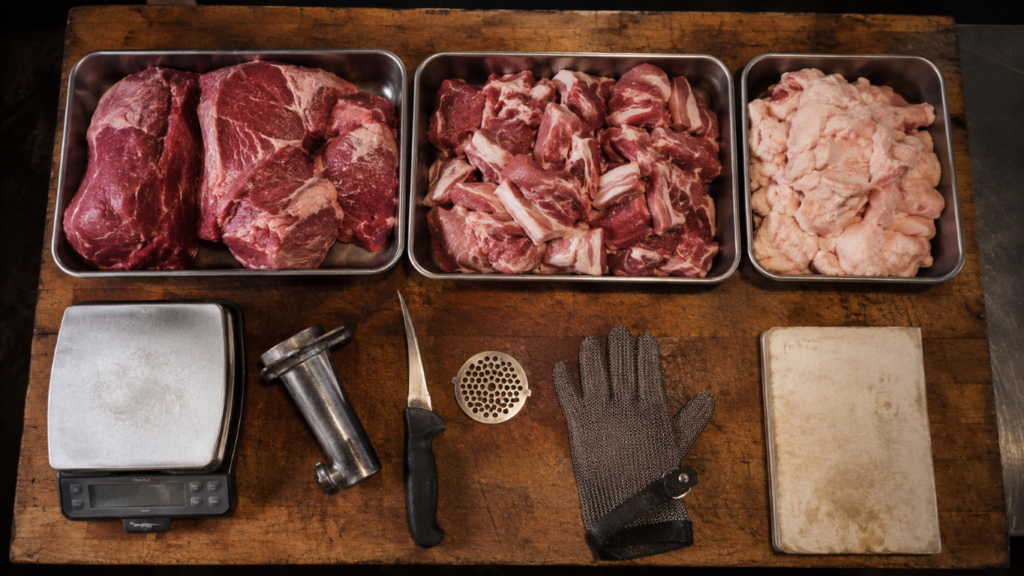
Not all trim can—or should—go into the grinder.
Hard, waxy brisket fat may not render pleasantly inside a sausage, and connective tissue must be removed. The kitchen still needs standards. A good sausage depends upon a deliberate balance of clean meat and soft fat, not a mystery bucket filled with everything left on the cutting table.
Brisket trim brings a rich, unmistakably beefy flavor. Pork contributes tenderness, moisture, and a slightly sweeter character. Together, the two can create a juicy link that tastes as though it belongs beside smoked brisket because, quite literally, part of the brisket is inside it.
That connection gives the restaurant something valuable: a sausage that matches the personality of its barbecue.
The same smoke, seasoning philosophy, and meat used throughout the kitchen are carried into every bite. Instead of purchasing a generic precooked sausage that customers may find at several restaurants, the pitmaster produces something that exists only in that building.
A Blank Canvas for the Pitmaster
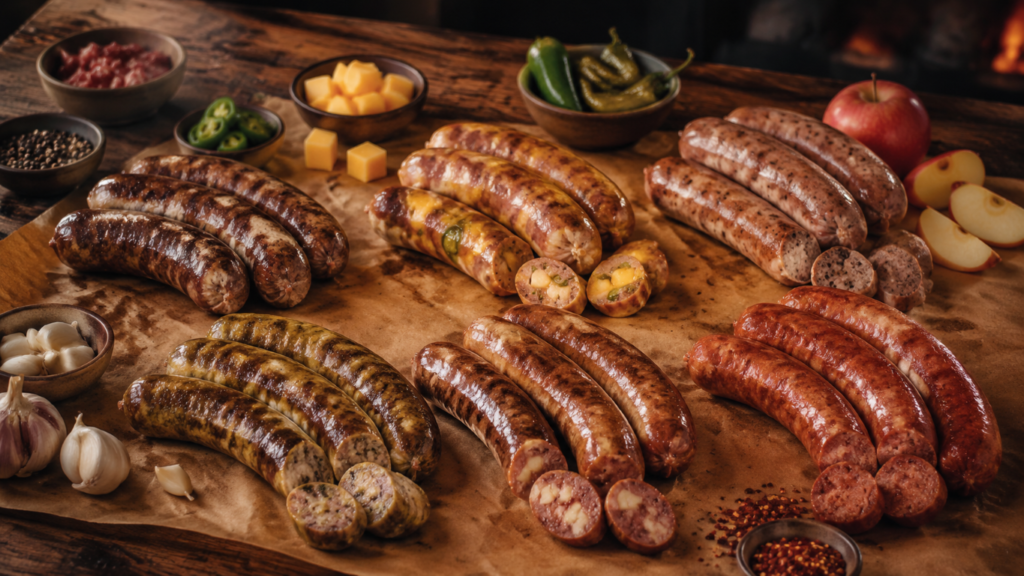
House-made sausage also gives a barbecue restaurant room to be creative without abandoning its identity.
One restaurant may keep things traditional with coarse-ground beef and pork, black pepper, garlic, and mustard seed. Another may add jalapeño and cheddar. A pitmaster influenced by the Southwest might use roasted green chiles and pepper jack, while a New England restaurant could experiment with maple, apple, or sharp local cheddar.
Other possibilities include hot links, garlic sausage, Cajun-style links, boudin-inspired recipes, bacon sausage, or rotating weekly specials made with seasonal ingredients.
That versatility creates excitement. Customers who already know the brisket may return to try this week’s sausage. A limited batch can be announced on social media, photographed beautifully, and sold until it is gone. The restaurant gains a new story to tell without introducing an entirely separate protein-buying program.
Sausage can even provide a safe testing ground for new flavor ideas. A seasoning combination that would be too risky to apply to 20 briskets may work perfectly in a small batch of links.
More Than a Sidekick on the Tray
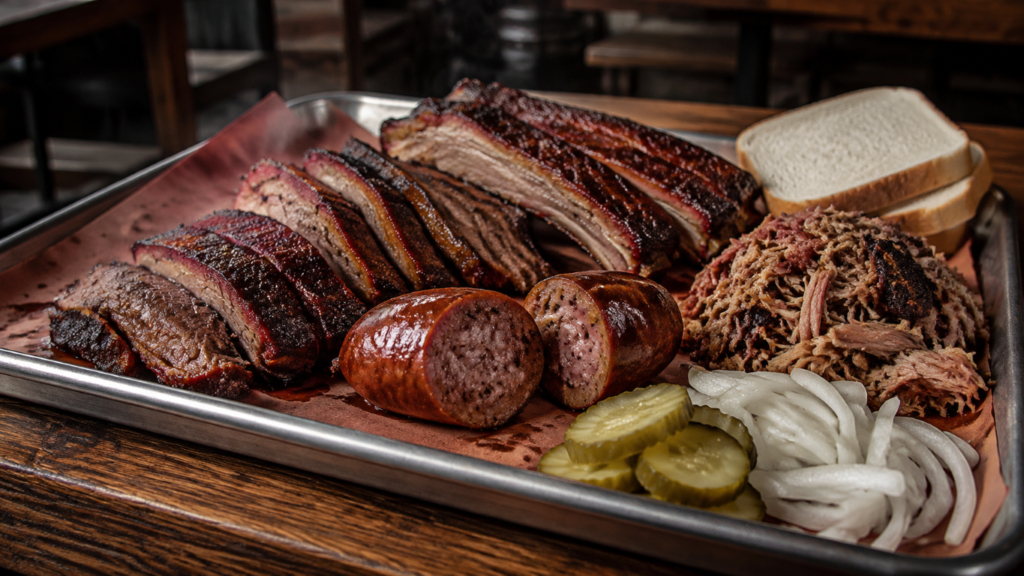
One mistake restaurants make is treating sausage as a supporting player that deserves little attention. A beautifully made sausage can be every bit as memorable as brisket.
The casing should snap when bitten. The interior should remain moist without being greasy. The grind should provide texture rather than becoming soft and pasty. Seasoning should be bold enough to stand beside smoked meat but balanced enough that the beef, pork, and smoke remain recognizable.
When those elements come together, customers notice.
Sausage also opens the door to menu items that extend well beyond the traditional link. It can be sliced onto loaded fries, folded into macaroni and cheese, served with beans, added to breakfast tacos, or placed inside a sandwich with peppers and onions. Small ends can flavor soups, stews, and pit beans, helping the restaurant continue recovering value even after the sausage is cooked.
One well-planned product can support several parts of the menu.
Respect for the Animal and the Business
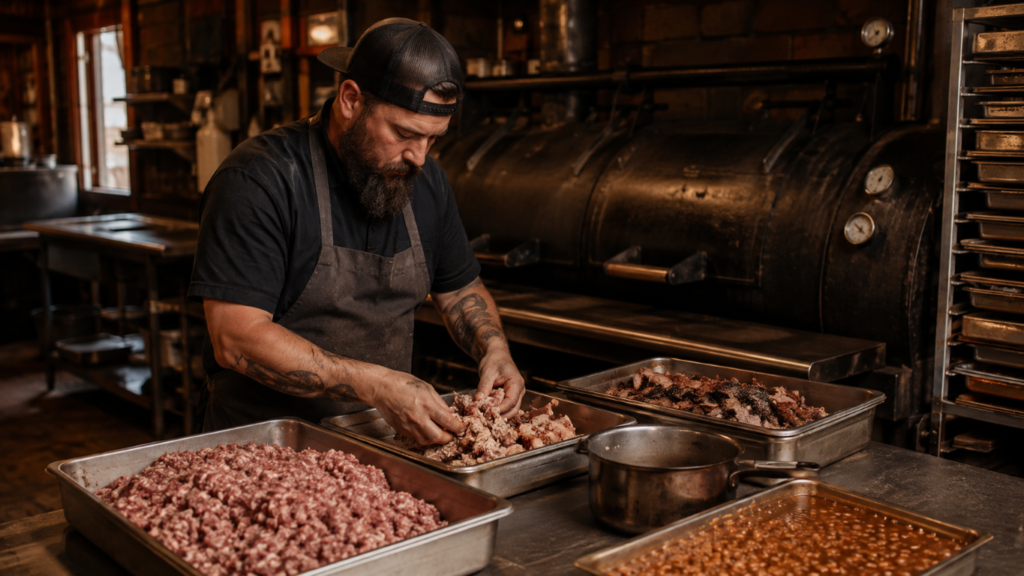
There is an honest philosophy behind making sausage from trim: if an animal was raised and processed to feed people, the restaurant should make responsible use of every wholesome piece it can.
That respect also protects the business.
Barbecue restaurants operate with narrow margins. Meat prices rise. Labor is expensive. Long cooking times produce shrinkage, and an entire day’s success can be influenced by weather, customer traffic, or one poorly cooked batch of brisket. Restaurants cannot control every cost, but they can become more thoughtful about the ingredients already inside their kitchens.
House-made sausage requires equipment, training, food-safety discipline, accurate recipes, and labor. It is not free money, and it should never be approached carelessly. But once a repeatable program is established, it can improve yield, reduce waste, distinguish the menu, and give the kitchen greater control over flavor and quality.
The Link That Tells the Restaurant’s Story
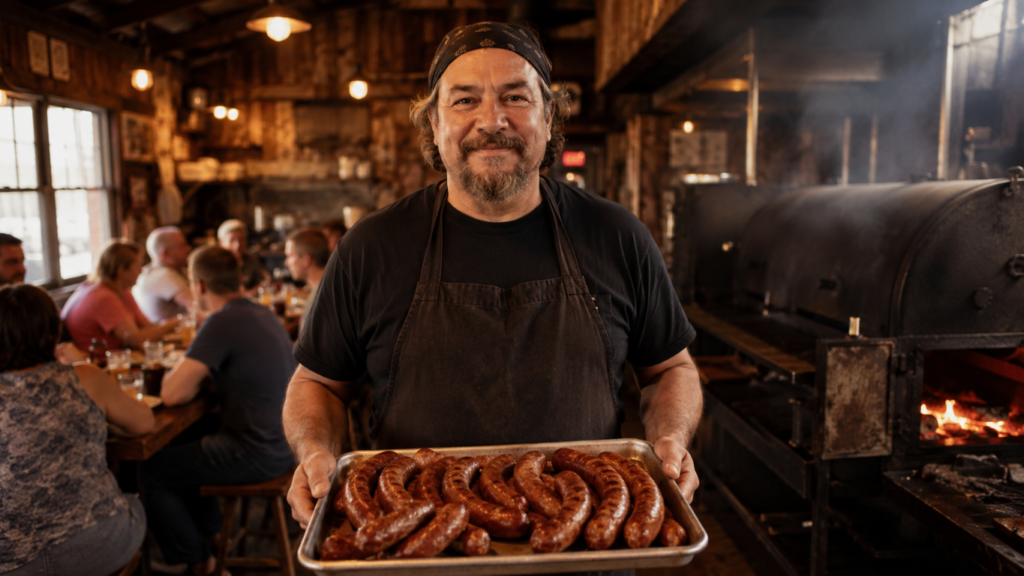
Brisket may be the meat that brings people through the door, but sausage often reveals how deeply a restaurant understands barbecue.
A purchased link says the restaurant needed another item for the tray. A properly made house sausage says the pitmaster understands butchery, seasoning, smoke, texture, and the economics of the business.
Most importantly, it says that nothing worthwhile is being ignored.
Yesterday’s brisket and pork trim can become today’s signature link. Waste can become revenue. Necessity can become creativity. A pile of uneven pieces can become one of the most distinctive foods a barbecue restaurant serves.
That may be the real beauty of sausage. It does not hide where it came from. It celebrates what a skilled pitmaster was able to make from it.
In barbecue, smoke can transform tough meat into something tender, time can turn patience into flavor, and a good sausage maker can turn the overlooked pieces into something customers return to order again and again.