The End of the 2026 Barbecue Season Is Really Two Different Beginnings
The Season Does Not End Quietly
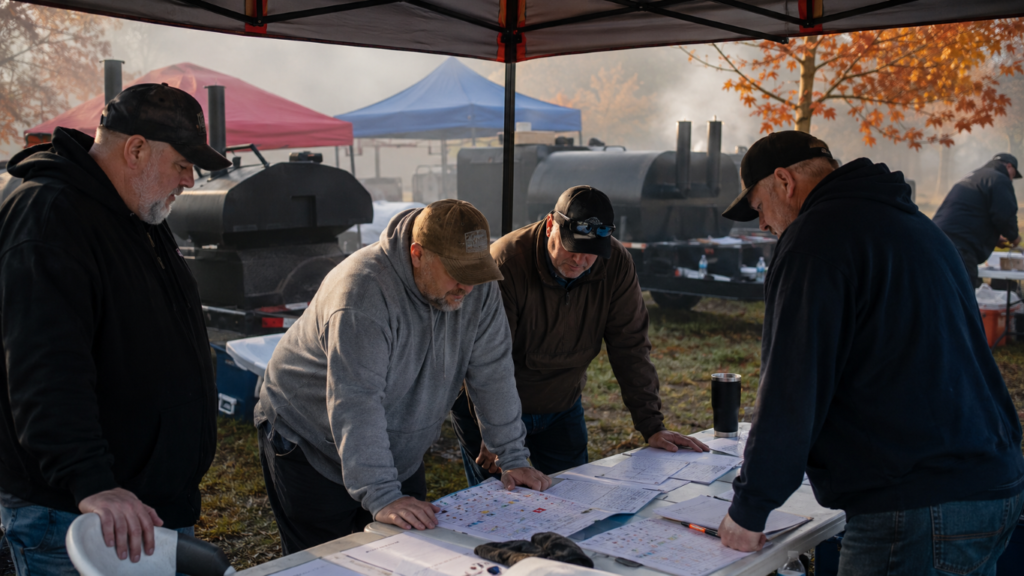
By late summer, competition barbecue begins to feel different. The mornings are cooler, the daylight disappears earlier, and every contest carries a little more weight. Teams are no longer saying they have plenty of season left. They are checking standings, counting qualifying wins, studying invitations, and figuring out whether this year’s long road is leading them toward something big—or ending a few exits earlier than they hoped. For some teams, the final months of 2026 are about finishing the job. For others, they are already the beginning of 2027.
Some Teams Can See the Big Stage Ahead
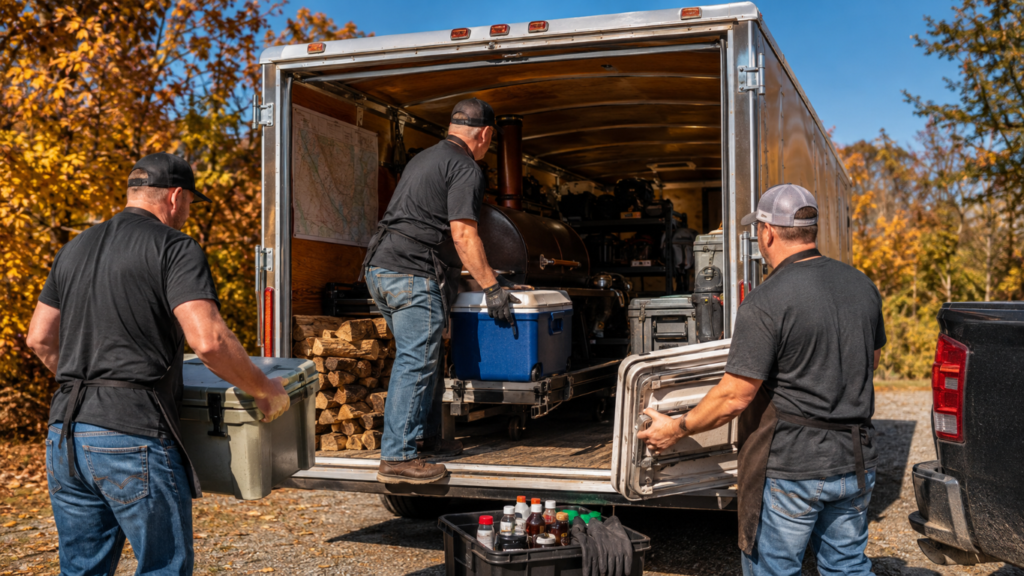
The fortunate teams have major dates circled in thick black marker. The American Royal World Series of Barbecue runs September 30 through October 4 in Kansas City, followed almost immediately by the Jack Daniel’s World Championship Invitational Barbecue on October 9 and 10 in Lynchburg, Tennessee. Those are not ordinary contests. They are the places where reputations are strengthened, careers are remembered, and one turn-in box can become part of barbecue history. Teams headed there are not slowing down. They are tightening every bolt and sharpening every detail.
The American Royal Is Its Own Kind of Animal
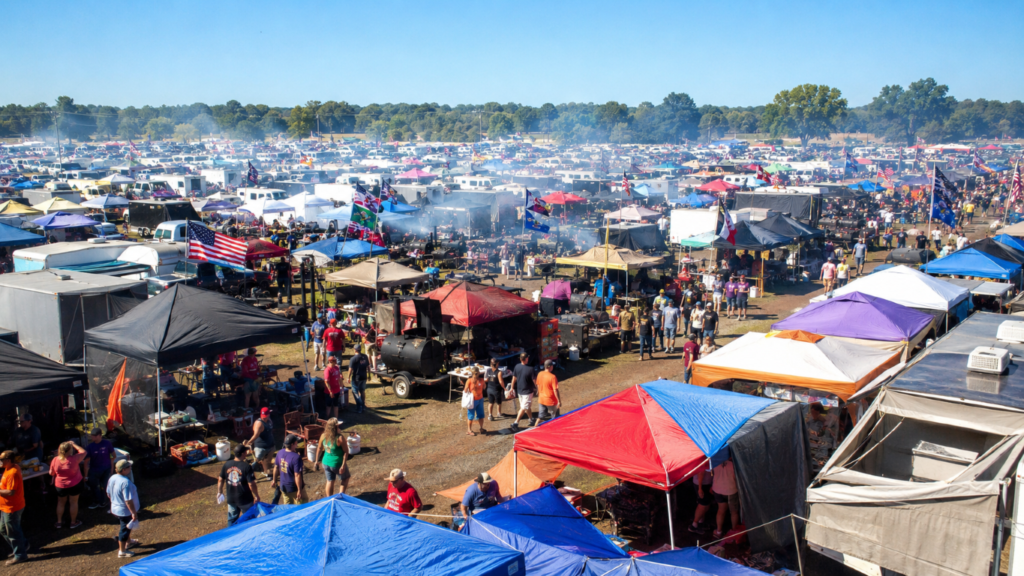
The American Royal is enormous, loud, intimidating, and beautiful. Its Open competition regularly attracts hundreds of teams, while the Invitational brings together qualifying champions who earned their way inside. The scale alone can rattle a cook who has never experienced it. Camps stretch across the grounds, smoke hangs over Kansas City, and nearly every row contains somebody capable of winning. The teams chasing the Royal are testing timelines, reorganizing trailers, confirming meat orders, and making sure nothing has been left to chance. At that level, “almost ready” means you are not ready. American Royal
The Jack Carries a Different Weight
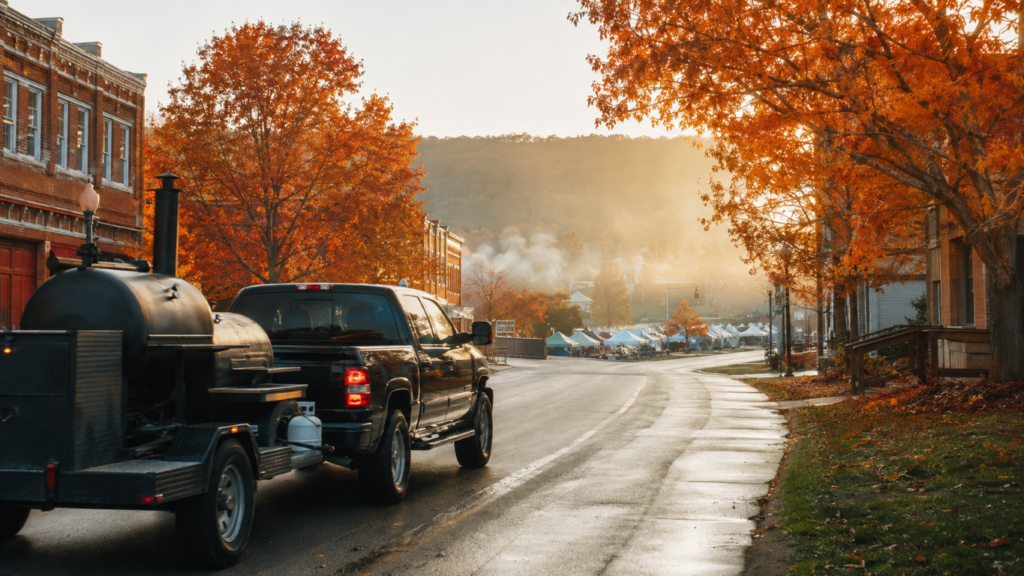
Then there is the Jack. Lynchburg is smaller, quieter, and somehow even more intimidating. The field is limited, the invitation is precious, and merely getting your team’s name called during the draw carries meaning. Teams arrive knowing the history beneath their boots. They know champions have stood on that ground before them, and they know how difficult it was to get there. The Jack is not simply another chance to cook chicken, ribs, pork, and brisket. It is a reward for everything a team survived along the way. Jack Daniel’s World Championship Invitational Barbecue
Behind Every Invitation Is a Cost
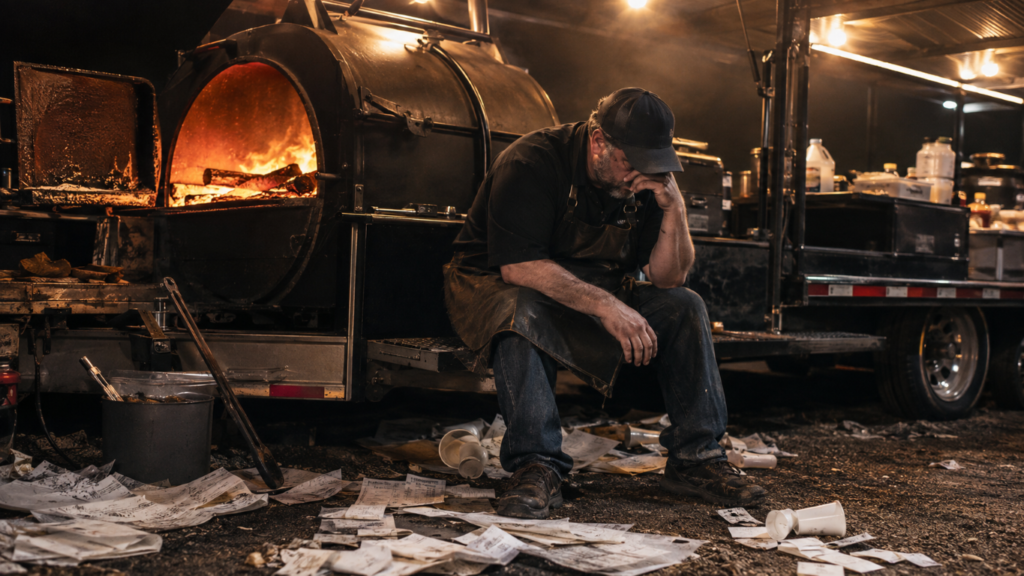
People see the trophies, the banners, and the smiling photographs. They do not always see the fuel receipts, hotel bills, meat costs, entry fees, broken equipment, missed family events, or the nights spent sleeping badly inside a trailer. A championship run can consume nearly every available weekend and dollar. By the time a team reaches the Royal or the Jack, it may have cooked through exhaustion, disappointment, mechanical trouble, and several scores that made absolutely no sense. That invitation represents talent, but it also represents stubbornness. Sometimes stubbornness is the only thing that gets a team through Sunday morning cleanup.
The Barbecue World Cup Changed the Conversation
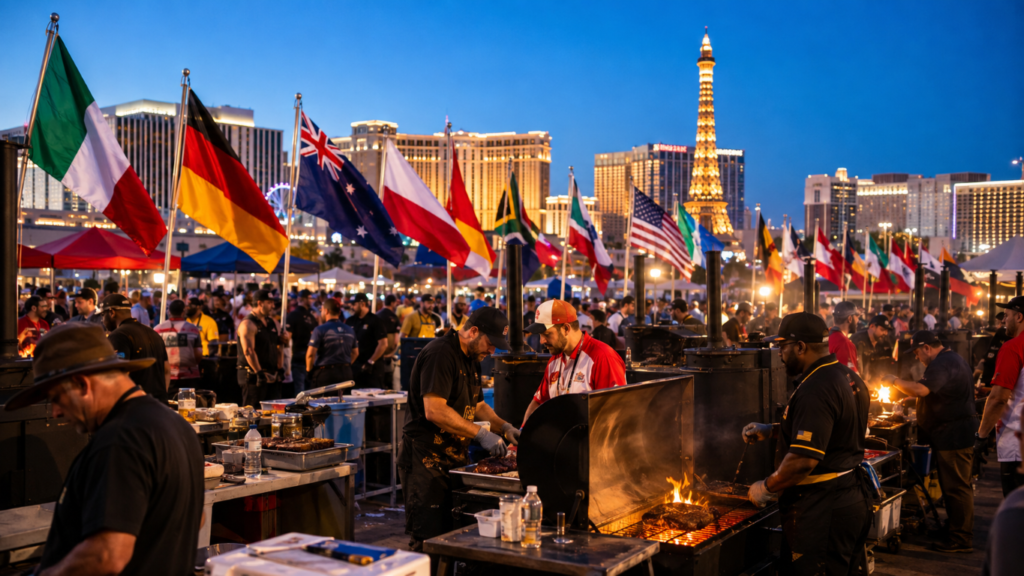
The arrival of the Barbecue World Cup has added another destination to the map. The championship is scheduled for April 8–11, 2027, in Las Vegas, with 100 teams expected to emerge through qualifying events held across the United States and internationally. Its announced $1 million championship prize pool has competitors studying qualifier lists and adjusting travel schedules. Suddenly, a contest that might once have been skipped could become the most important stop of the year. Teams are no longer planning one season at a time. They are building a path toward a single weekend that could change everything. BBQ World Cup
Not Everyone Is Still in the Hunt
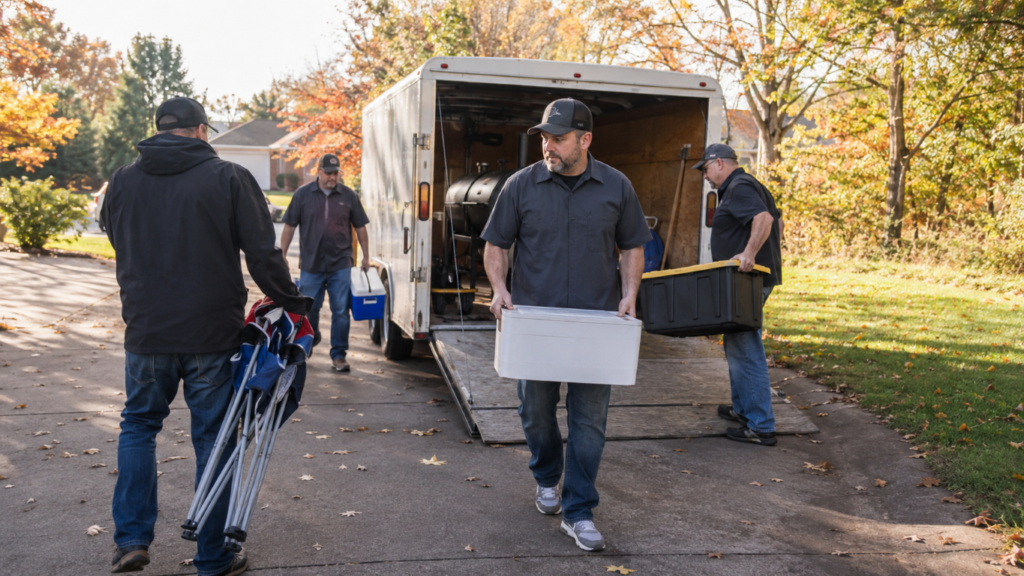
For every team packing for Kansas City, Lynchburg, or Las Vegas, another is standing in a driveway looking at a silent smoker. Their 2026 opportunity has passed. Maybe they missed a Grand Championship by less than a point. Maybe their best chicken of the year landed in the middle of the table. Maybe finances, family obligations, or equipment problems shortened the season. Competition barbecue does not care how close you came. It will take months of preparation and reduce it to six judges, one table, and a score that stays beside your team’s name long after the tenderness has been forgotten.
Missing the Cut Hurts
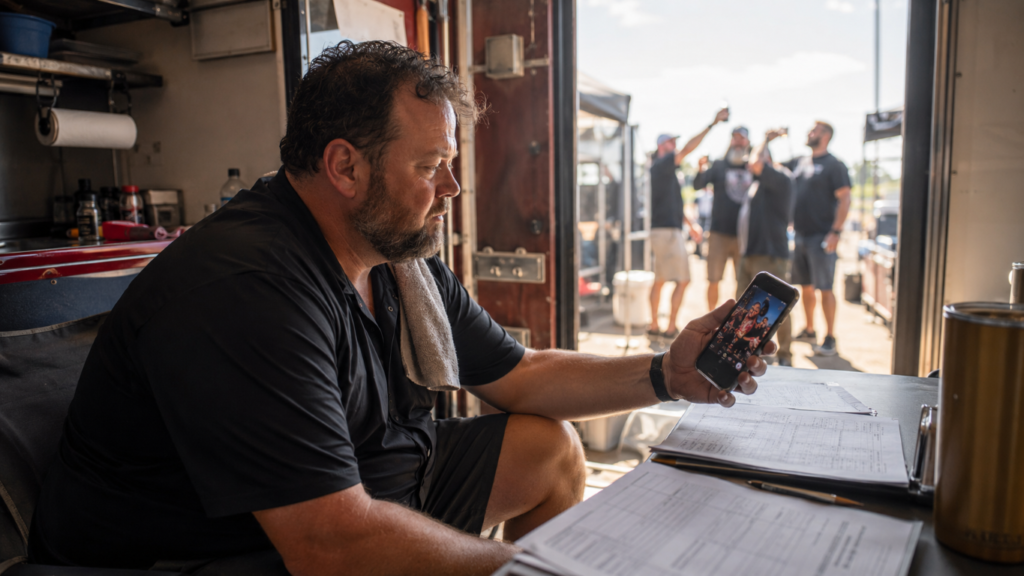
We should not pretend otherwise. It hurts to watch friends announce invitations while you are unpacking supplies for the final time. It hurts when social media fills with banners, trophies, and congratulations while your own season feels unfinished. Good competitors can be happy for another team and disappointed for themselves at the same time. Both things can be true. The parking lot hugs are sincere, but so is the quiet ride home. Anybody who has chased a major qualification understands that silence. It is the sound of replaying every decision you made all season.
The Smart Teams Let It Hurt—Then Start Taking Notes
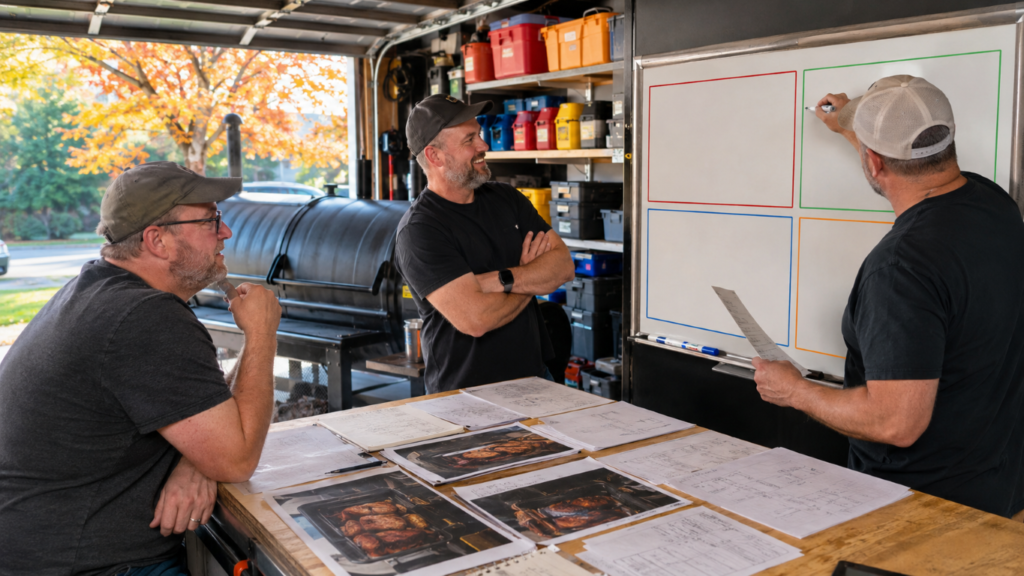
The teams that grow do not hide from a disappointing season. They pull out the score sheets and look for patterns. Were the ribs consistently oversauced? Did brisket tenderness disappear during hot summer contests? Did chicken improve while pork slowly fell backward? One bad table can be ignored. A season-long trend cannot. The smartest cooks separate emotion from evidence. They do not change four things because of one ugly score, but they also do not defend a failing recipe just because it once produced a trophy.
The 2027 Season Begins in the Garage
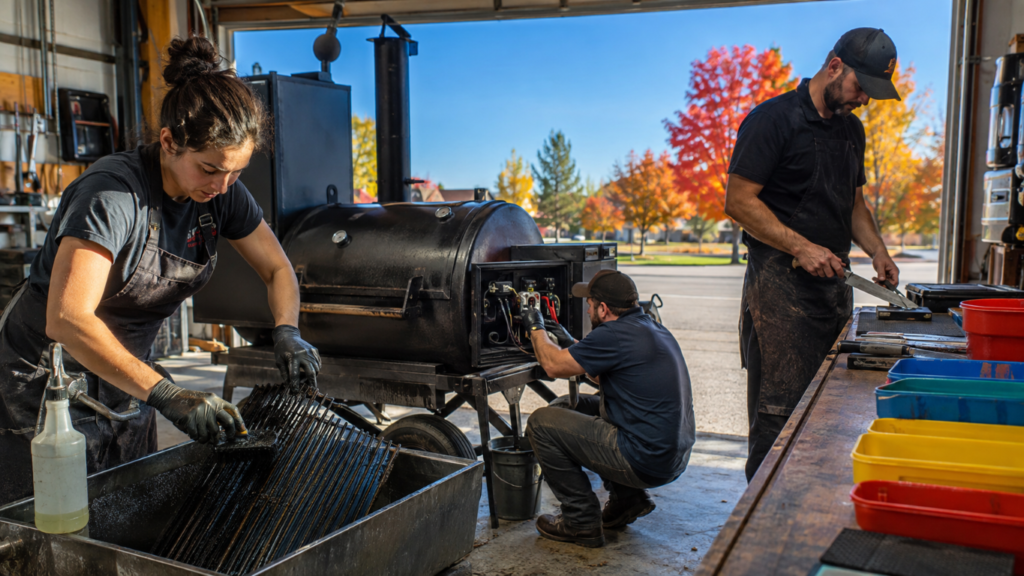
While the championship-bound teams are loading trailers, everyone else should be rebuilding. This is when cookers get cleaned properly, electrical systems are checked, knives are sharpened, and broken storage bins finally get replaced. It is also when teams should review their travel radius, competition budget, and realistic number of cooks. A schedule is not successful because it contains twenty contests. It is successful when the team can afford it, prepare for it, and arrive with enough energy to compete. Burning out in June does not help anybody qualify in September.
Build a Route Instead of Chasing Smoke

The new World Cup pathway makes strategic planning even more important. Teams will study which 2027 contests offer qualifying opportunities, how far they must travel, what sanctioning rules apply, and which events fit their strongest cooking style. The American Royal will remain a major target, and the road to the Jack will continue through qualifying wins and the draw. But successful teams will not chase every shiny banner. They will choose contests that create a sensible route. Fuel, meat, time, distance, and opportunity must all be weighed before the first entry fee is paid.
Do Not Cook Somebody Else’s Barbecue
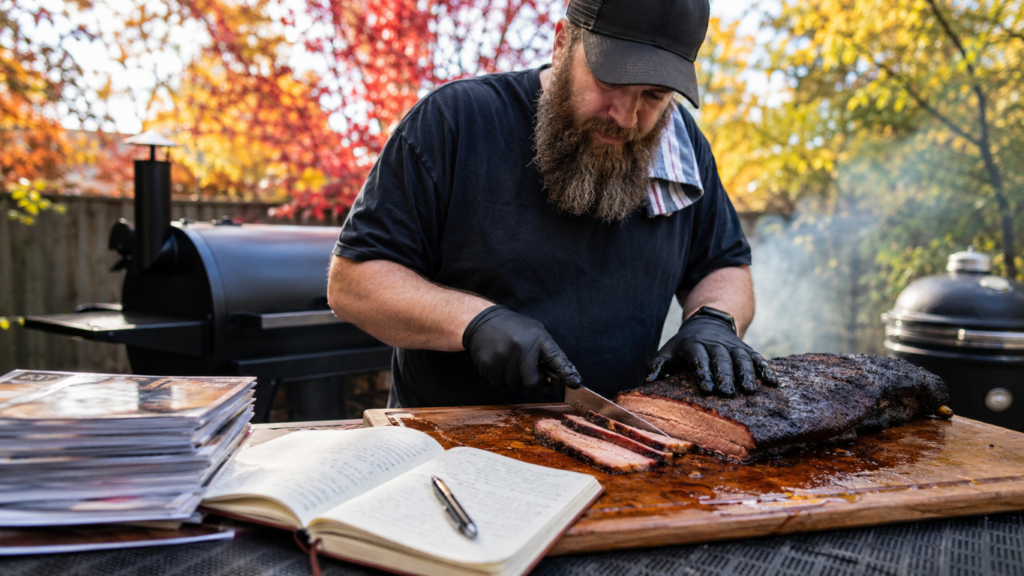
The offseason is full of temptation. A struggling team sees what won and immediately wants to copy the flavor, sauce, cooker, injection, and timeline. That usually creates confusion instead of improvement. Study the champions, absolutely—but understand why their process works before borrowing pieces of it. The goal is not to become a weaker version of another team. The goal is to identify what your own barbecue is trying to be and make it repeatable. Judges cannot reward consistency if the cook changes direction every other weekend.
Keep the People Before You Lose the Team
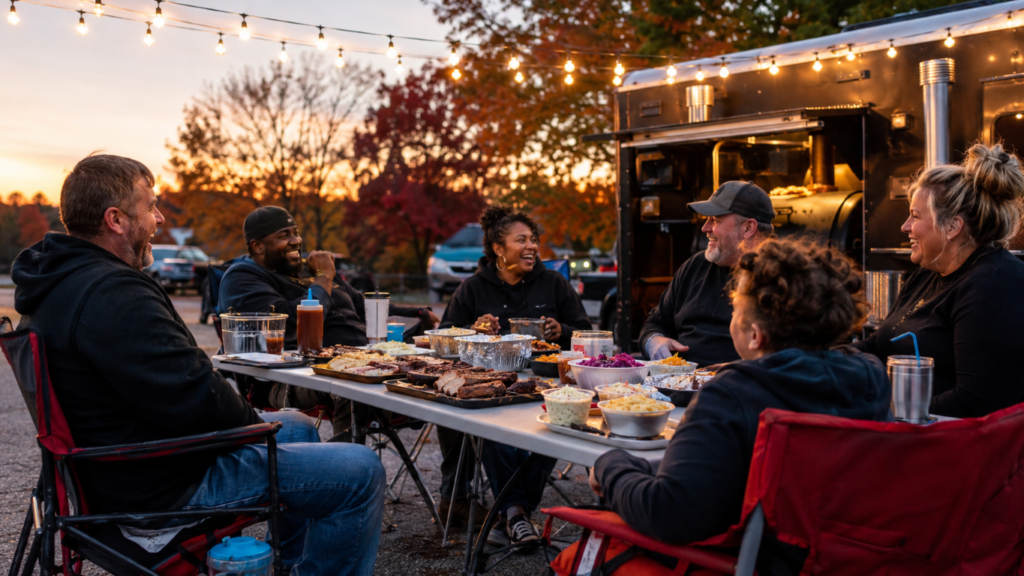
Recipes are only one part of rebuilding. Competition barbecue can strain marriages, friendships, finances, and health. Before building the 2027 calendar, teams need honest conversations. Who can travel? Who needs time away? What can the team actually spend? Who is doing too much work while somebody else shows up for turn-ins? Resentment has ruined more teams than dry brisket. A strong team does not merely divide cooking assignments. It protects the people inside the trailer, especially when the season has been difficult.
There Is Still Fire in an Unfinished Season
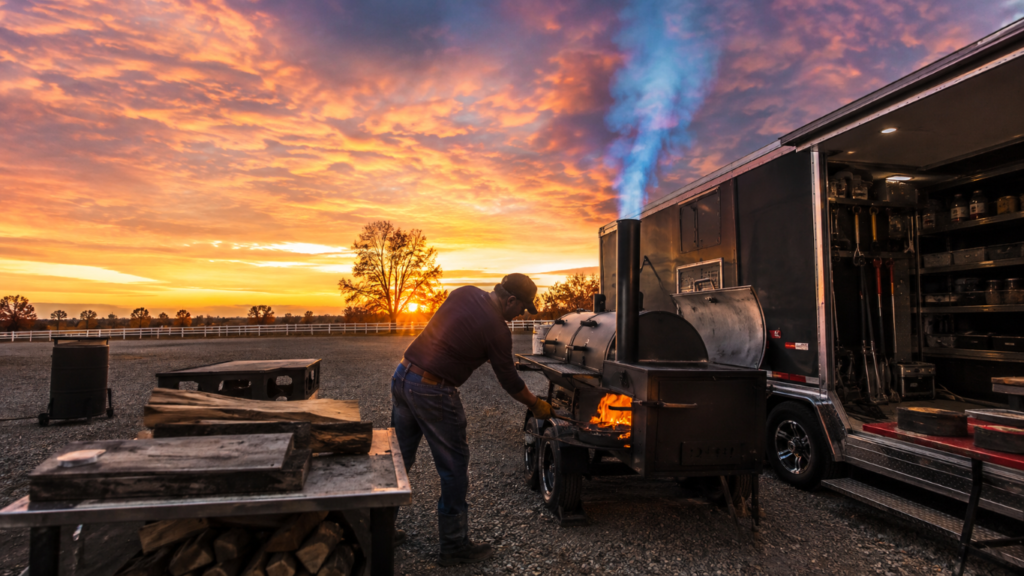
The end of 2026 will look glamorous for the teams headed toward the biggest stages. They earned that moment, and they should enjoy every minute of it. But the teams sitting at home are not finished unless they decide to be. Their next championship may begin with a notebook, a cleaned-out trailer, and one brutally honest practice cook. Competition barbecue has always rewarded the people willing to come back after the smoke clears. The trophies belong to the winners, but the future belongs to the teams already building another fire.