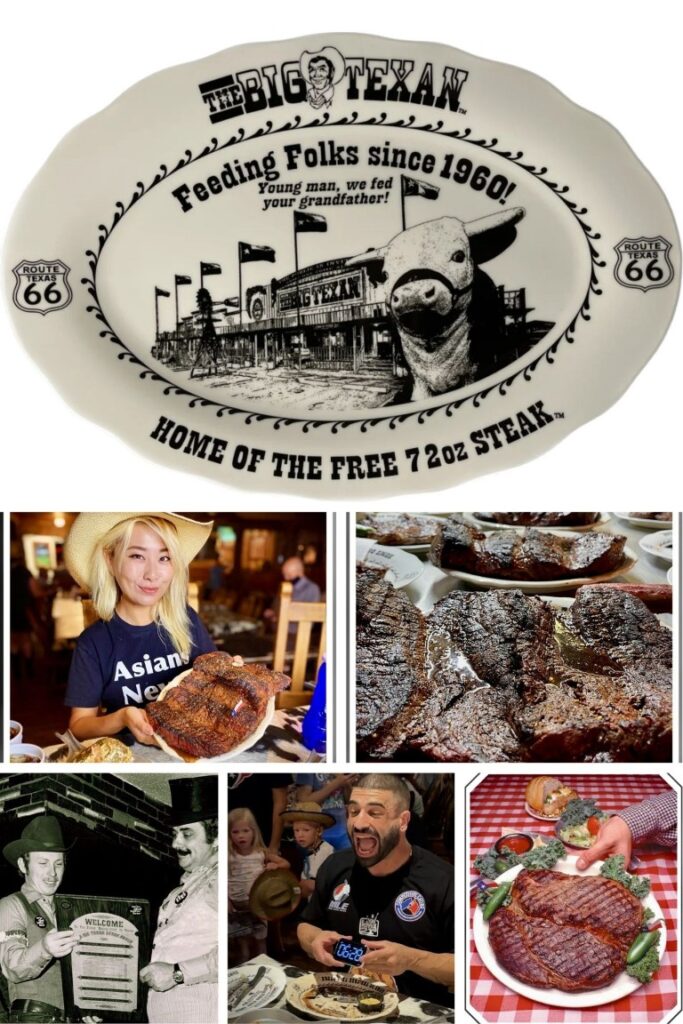
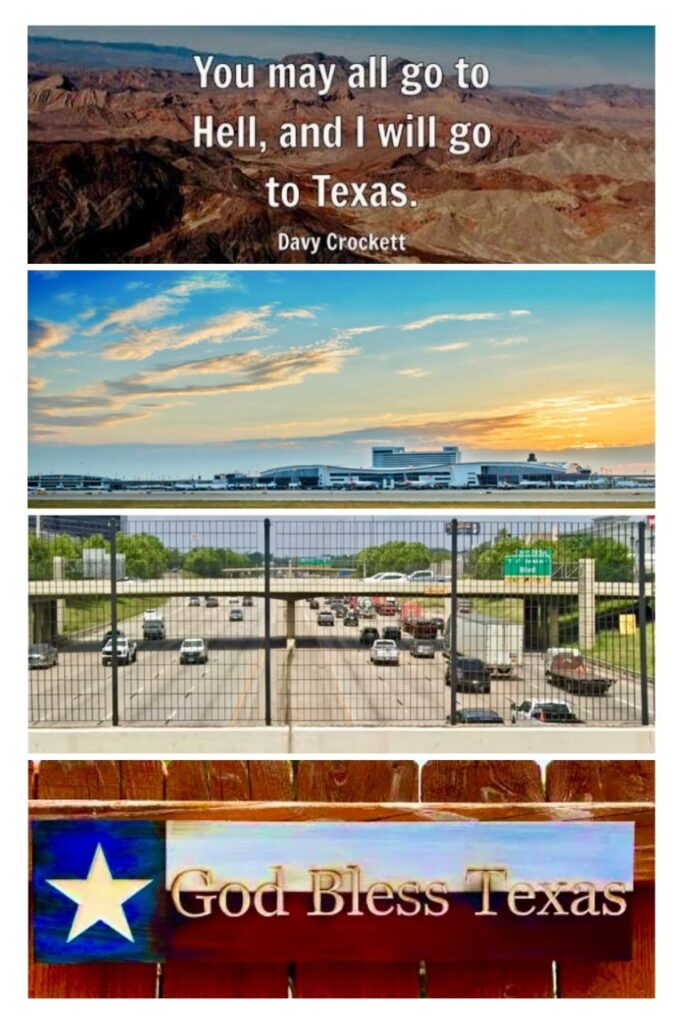
The moniker, or appellation, “Everything is Bigger in Texas,” while sometimes attributed to The New York Times, has no single author; but rather arose from the time period when Texas was the largest U.S. state territorially from 1845-1959. The phrase: “Everything is Bigger in Texas,” is a braggadocious, boastful, folkloric tale, broadly told, which originated in the early-to-mid 20th century in order to reflect the state’s massive geography, indomitable pride, and its larger-than-life BOLD reputation. You’ve heard the phrase before, “Everything is Bigger in Texas,” but it doesn’t just refer to bigger 10-Gallon hats, big hair, cowboy boots, extra-large buildings, bigger cattle, and the massive 72-ounce BBQ’d steaks served state-wide. The saying “Everything is Bigger in Texas,” captures the state’s outsized reputation, its ambitious spirit, as well as encompasses its vast size and its expansive landscapes. The saying highlights Texas’ economic growth, historic business boom, and the multitude of differential cultural genetics which comprise the state’s populous.
Key Origins of the Phrase: “Everything is Bigger in Texas
–Geographical Size: As the largest of the contiguous 48 states, the sheer size of the land mass of Texas inspired the phrase.
–Cultural Pride: The phrase IS a generally boastful term; rooted in a long history of Texan self-confidence as well as in the tendency to do things on a grand scale.
–Legacy: Even after Alaska became the largest state in the Union in 1959, Texas maintained the reputation of being the “BIGGEST STATE IN SPIRIT.”
Only in Texas
“There was only Texas, as far as the eye could see. Only at the edges could you glimpse anywhere else. And why would you want to? The view was so much better looking inward at this new dominion, oft conquered, but never controlled. Before there was money, oil, barbecue, or the Dallas Cowboys, there was more space than anyone had ever imagined. The sheer scale of it has defined the people who decided to fill it ever since,” declares www.texashighways.com Ultimately, the fact that geographically Texas was no longer the biggest state size-wise, after President Eisenhower’s proclamation admitting Alaska into the Union in 1959, “didn’t make that much of a dent in our self-regard. We could still feel in our hearts that we were the grandest, and we could back that claim up with our epic, tumultuous, and literally world-changing history,” continues Texas Highways, www.texashighways.com; the Official Travel Magazine of Texas.
Why Bigness in Texas Matters
Jason Stanford writes, “BIGNESS matters to Texans because that is what makes Texas possible. The phrase contains an unstated assumption that everything is also BETTER in Texas than it could be elsewhere. People have always come to Texas not just as a challenge to New York or California sensibilities, but for what Texas has to offer: the opportunities for bigger houses, bigger families, bigger fortunes, and bigger lives.” The total square miles of Texas is: 268,820 square miles; second only behind Alaska in size. The East-West distance from the Sabine River in Newton County to the Rio Grande in El Paso is 773 miles. There are over 31 million residents in the state of Texas, second only to California. “Let the outsiders have their fun. From the very beginning, big has always been the point of Texas,” concludes Jason Stanford.
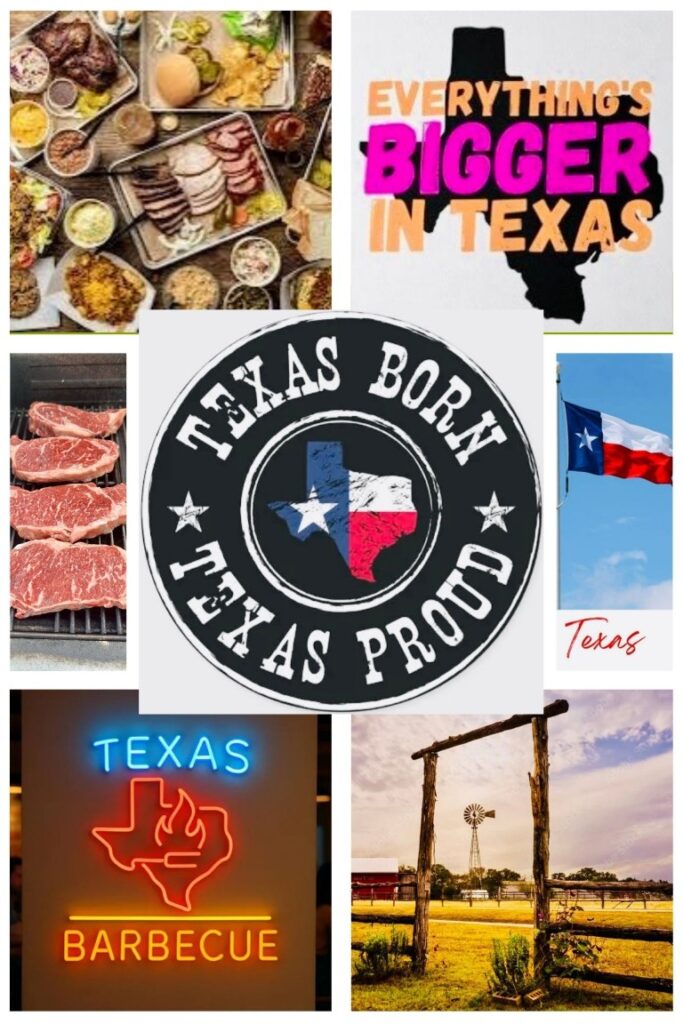
TEXAS BBQ
www.bradford.com asks, “I was curious what other things are bigger in Texas. The internet is a wonderful thing…so let’s have a little fun! Here are a few things that I found that are bigger in Texas…..” Coming in at NUMBER ONE, as no surprise to any BBQ Fan, Cook, Chef, Pitmaster, Griller Extraordinaire, Smoking-Pro, or Broasting-Bro is: TEXAS BBQ! If you desire beef brisket, sausage, and beef ribs: There is 1 state that rises above ALL OTHERS: TEXAS.
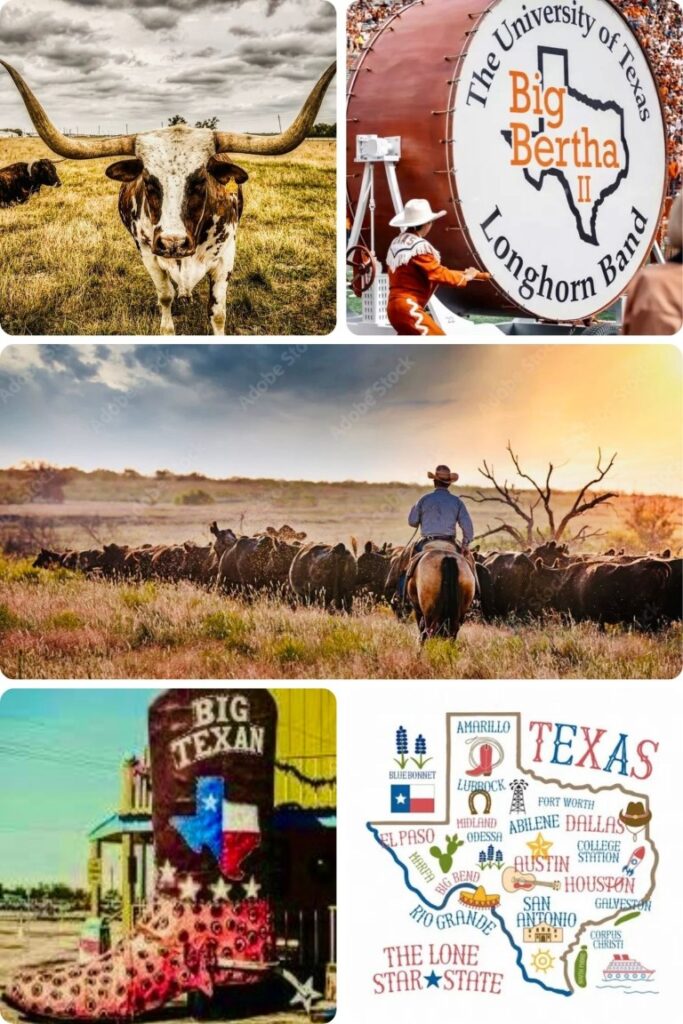
Key Reasons for Texas BBQ Fame
–Cultural Fusion: German and Czech immigrants brought meat curing and meat smoking techniques to Central Texas; which became essential to Texans making and preserving sausages. African American and Mexican food preparation and cooking traditions melded, mixed, and combined to achieve an UBER and VAST number of BBQ flavoring profiles; as well as heavily influenced BBQ Pit Cooking.
–As a major cattle-producing state, Texas Beef “IS KING,” making brisket, beef ribs, and sausages the signature Texas BBQ items; highly different than utilizing pork as a BBQ basis which dominates other regions of the country in the BBQ Realm.
–Methodology: Known for using local hardwoods like post oak, mesquite, and pecan to smoke and BBQ meats, as well as employing Low-and-Slow BBQ-ing; often WITHOUT heavy sauces, this methodology allows the “Bark” of the Texas Beef and Brisket and its natural beef flavors to shine.
–Historical Meat Markets: Many iconic Texas BBQ spots originated as butcher shops; who, quite cleverly, smoked unsold meat in order to preserve it, as well providing an additional medium for which to feed hungry BBQ Patrons!
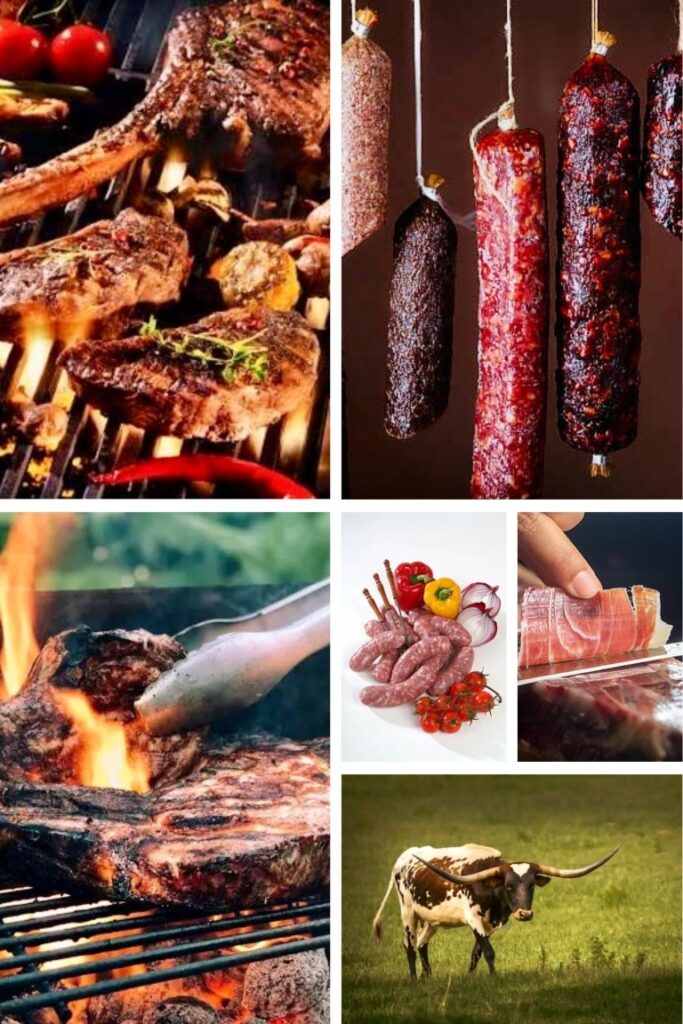
Regional Diversity
TEXAS BBQ IS NOT 1 SINGLE STYLE OF BBQ; RATHER IT IS 4 SEPARATE, DISTINGUISHABLE STYLES; WITH EACH STYLE FEATURING DIFFERENT SPECIALTIES! Texas BBQ has a unique history that influences the way Texans create their BBQ dishes in the present day. In Texas, BBQing “refers to the process of slow-cooking meat via indirect heat. The meat is placed around the source of the heat- typically wood, in Texas—covered, and then left to smoke. The process can take hours to complete depending on the sizes and types of meat you’re cooking. The results are some of the most tender, flavorful meats that you’ll ever put in your mouth….In Texas, the history of this rich food has developed in diverse ways. And depending on where you go, different regions have different BBQ stories. Generally, Texas BBQ falls into 4 distinct groups based on regions,” describes www.hutchinsbbq.com
- Central Texas: Dry Rubs, Post Oak Smokes, and Beef Brisket; along with a wide variety of sausages make up the main components of Central Texas BBQ. “Central Texas BBQ evolved from the smoked meats prepared by the German and Czech immigrants who poured into the region in the 1800s. With the arrival of the Germans and the Czechs in Central Texas, came their expertise in all-things-sausage; These immigrants also added many of the unique spices used in their cuisines into the Texas flavor palate,” says www.hutchinsbbq.com
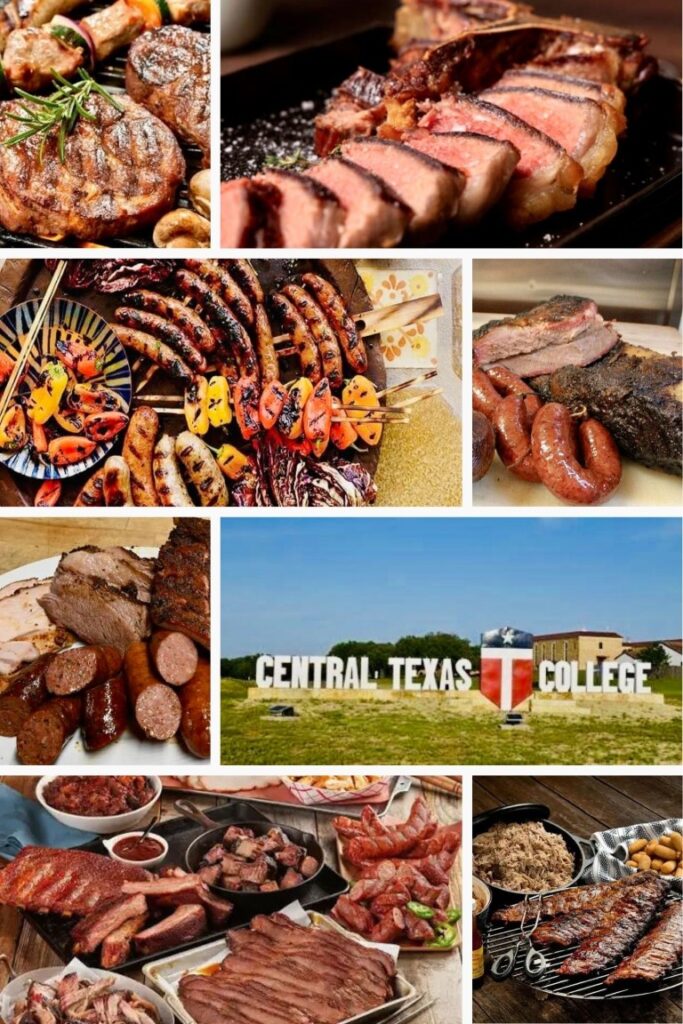
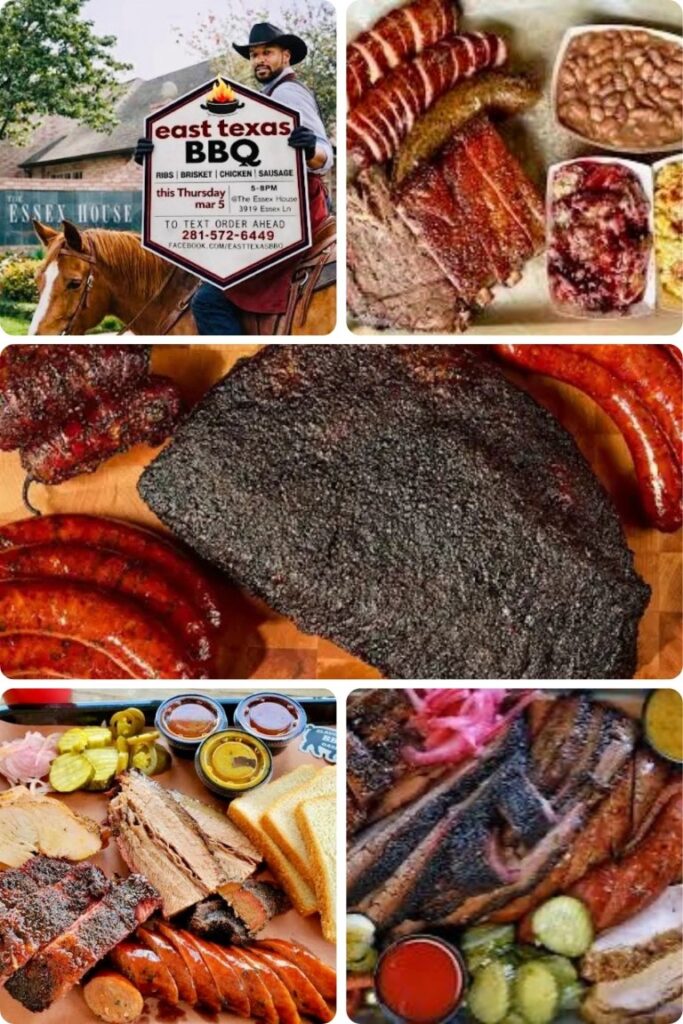
- East Texas: Pork, Hickory Smokes, and (much unlike the other Texas Regions!) Sweet BBQ Sauces. “East Texas BBQ contributes the rich flavors of African American cuisine, which spread throughout Texas following emancipation. In East Texas, you’re also likely to find BBQd chicken and pulled pork among the BBQ offerings. In East Texas BBQ, the flavors used in Creole, Cajun, and Low Country cuisine become more prevalent,” reports www.hutchinsbbq.com
- South Texas: Best Known For: Mexican inspired BBQ Dishes; Barbacoa. The beloved Tex-Mex flavor profile is fabulously popular in South Texas. “The barbacoa of South Texas is rooted in the traditions of earlier Mexican and Spanish cuisines, you’re much more likely to find BBQ dishes in South Texas made with distinct sauces that have sweet bases, as well as Latin American spices and flavors entering the mix,” comments www.hutchinsbbq.com
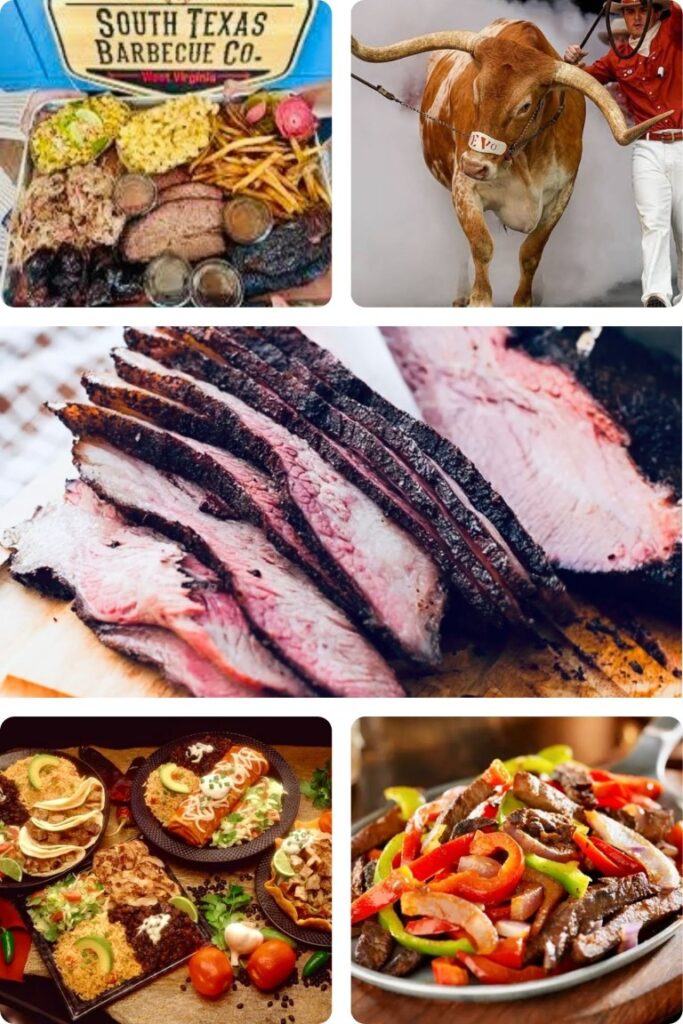
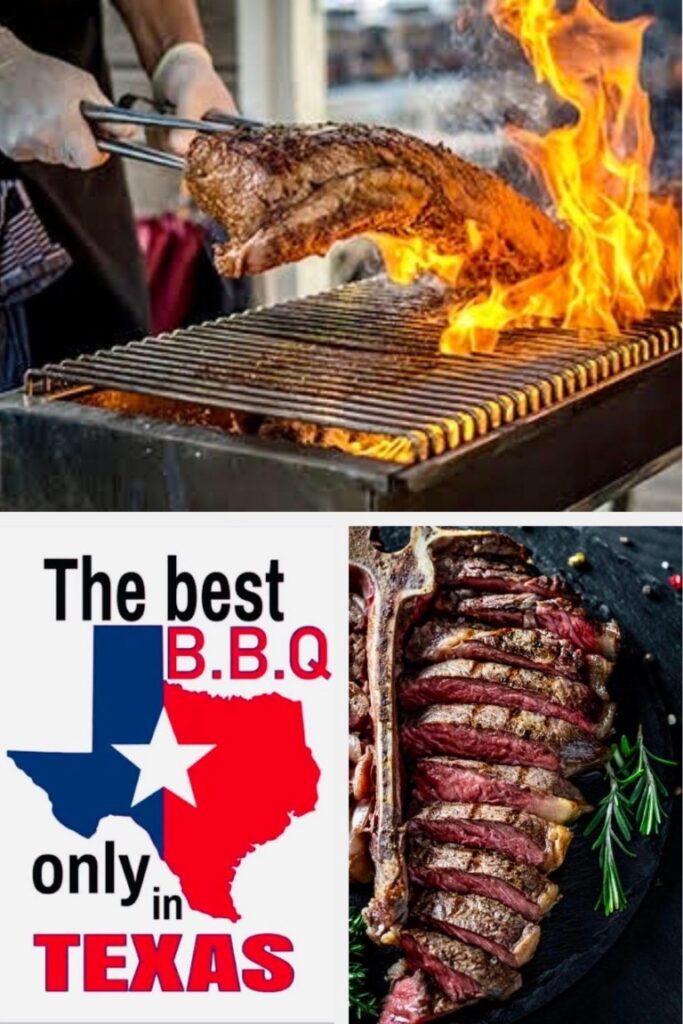
- West Texas: Most Notably Known For: Mesquite Smoking, and an outrageously substantial cut of steak referred to as “The Cowboy Cut.” West Texas BBQ features direct grilling over mesquite coals, giving the BBQ an especially bold and smoky flavor. “West Texas developed a reputation for so-called COWBOY BBQ, which is notable because it is cooked over an open flame. Any meat can be BBQd, but in Texas, the staple is beef. From beef brisket, to beef ribs, to beef BBQd beef steaks—the expansive cattle and ranching industry has given rise to the heart and soul of the BBQd beef industry,” ponders www.hutchinsbbq.com
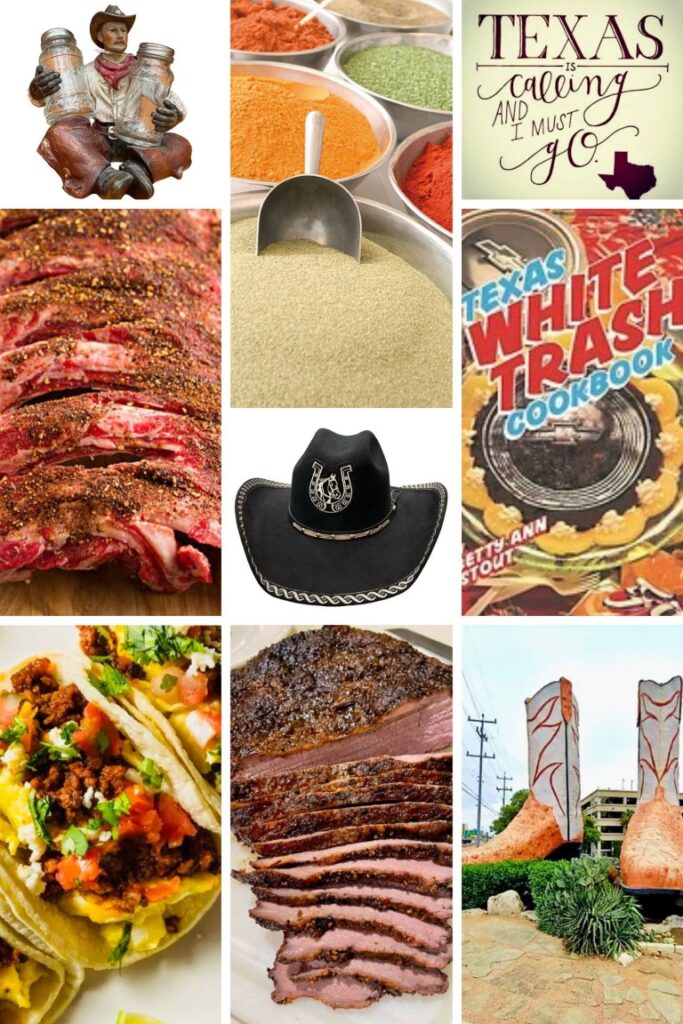
“Texas BBQ packs flavor in every bite. These different traditions combine to create unique experiences for BBQ diners, while proving that there is no single way to make Texas BBQ…and you’ll also find a few unique qualities to Texas BBQ that aren’t as prevalent in other regional BBQ cuisines. And when it comes to flavor, the key is to make liberal use of the right spices. You’ll find a diversity of them in Texas BBQ. Salt and Pepper will be there, of course. You’ll usually find brown sugar, garlic powder, onion powder, and paprika heavily present as well. Whatever style of Texas BBQ you prefer, you’re in for a delicious meal. Good BBQ is crafted, not just cooked, and it honors the traditions of Texas BBQ that are alive and well today,” concludes www.hutchinsbbq.com
Bigger in Texas Synopsis
As we reflect upon the usage of Texas’ famed sobriquet, our research has admittedly proven that there are indeed indications that “Everything is Bigger in Texas!” The colloquial idiom highlights Texas’ reputation for “everything done on a massive scale, extravagant excess, and intense state pride. Originating from its vast geographic area and its historical, audacious Texan Spirit; it refers to everything from huge food portions–especially of BBQ—immense buildings and infrastructure, to its extensive natural landscapes, and that all-too famous ‘Over-the-Top’ attitude and proud culture.”
“Bigger” Texas Usage Examples and Contexts
–Food and Drink: Restaurants serve humungous portions of food; especially massive cuts of BBQ’d steaks and colossal BBQ Platters. The “average” sizes of beer pours are: 20-24 ounces—especially for Texas local craft beers. *Many Texans have been rumored to drink beer directly out of their cowboy or cowgirl boots, in lieu of a beer mug!
–Infrastructure and Geography: Texas has built extra-wide highways, constructed superior-sized airports, and has naturally sprawling ranch lands.
–Culture and Lifestyle: “BIG AND TALL HAIR,” is a devout Texan Custom; with the stated mantra: “The higher the hair, the closer to God.” Texas high school football stadiums are comparable in size and capacity to professional arenas, and Texans purchase an abundance of over-size, heavy-duty trucks as vehicles.
–Economic Scale: References are continually made to the state’s growing population and boom in economy and substantial social and legal actions.
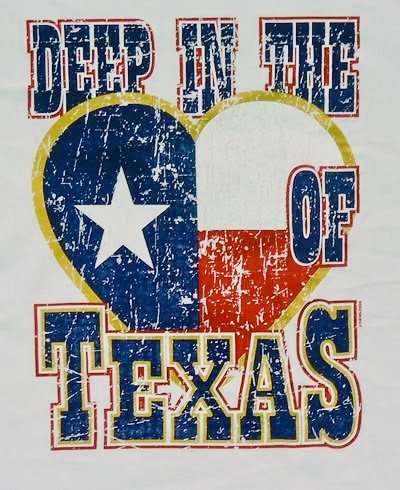
Deep in the Heart of Texas
“THE STARS AT NIGHT
ARE BIG AND BRIGHT
DEEP IN THE HEART OF TEXAS!
THE PRARIE SKY
IS WIDE AND HIGH
DEEP IN THE HEART OF TEXAS
THE SAGE IN BLOOM
IS LIKE PERFUME
DEEP IN THE HEART OF TEXAS
REMINDS ME OF
THE ONE I LOVE
DEEP IN THE HEART OF TEXAS!”
–Song and Lyrics to “Deep in the Heart of Texas,” were written by:
June Hershey and Don Swander, in 1941 and today you may find the full version of the lyrics to the Western Classic at: www.genius.com or at www.austinchronicle.com
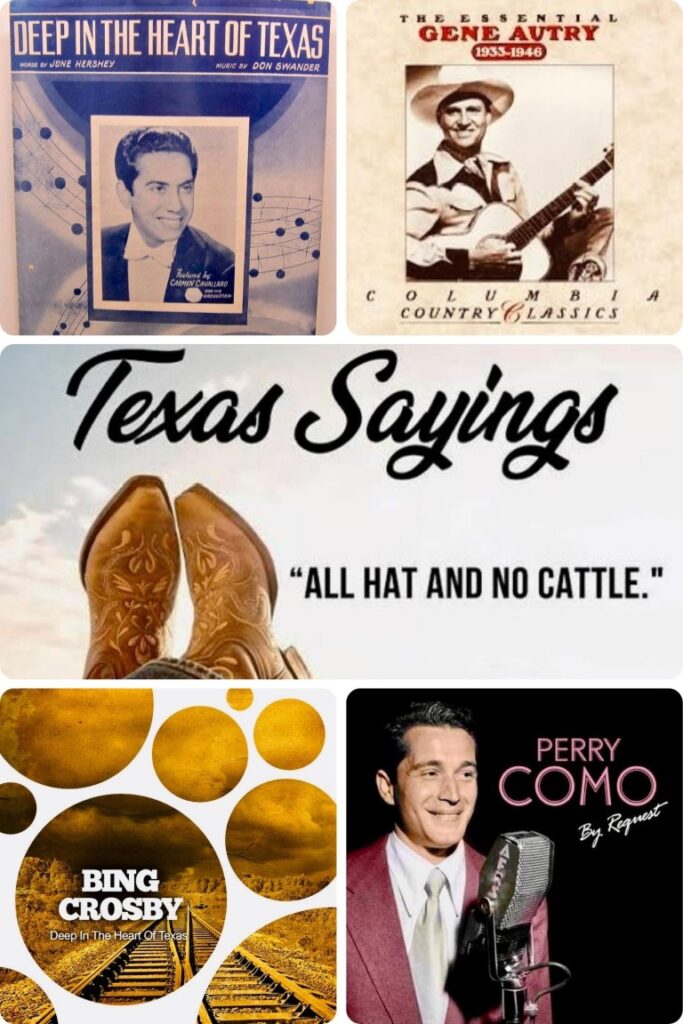
**Although a plethora of musicians have recorded the infamous Western tune, such as Bing Crosby and Perry Como, Singing Cowboy Gene Autry’s February 24th, 1942 version of the recording remains a fan favorite; from the song performed in the 1942 movie; “Heart of the Rio Grande,” starring Singing Cowboy Gene Autry.
Why Do Texans Clap 4 Times During “Deep in the Heart of Texas,” Song?
For Texans, the four claps are an instinctive and inseparable part of the song’s identity. The 4 claps are “A CULTURAL IDENTIFIER: As the phrase itself states, it’s an instinct, an irresistible response… It’s the natural thing to do! The practice of four claps is used to distinguish Texans from non-Texans!” according to Mary Grace Granados and www.coogsfan.com The 4 claps serve as a communal, energetic, signifier of Texas Pride.
As an unofficial anthem for the state of Texas, the song is a status symbol embodying immense pride in Texas, Texan Nostalgia, and a romanticized view of Texas culture. The song signifies the state’s natural beauty and astounding landscape. The tune invokes stereotypical Texas imagery: howling coyotes, sage in bloom, oil wells, and rural charm. While it is the song’s title, the phrase is also widely used to represent a deep connection to the Texas way of life; often associated with a close-knit, community spirit, and gatherings—such as BBQs. “Paramount among traits that make Texans special is our willingness to jump into action when our fellow Texans need help. Texans have long been known to be fiercely loyal to one another. We’re proud of where we’re from and we’re proud of what it means to be a Texan. There is a brotherhood among its residents that neither creed nor geography can divide; and, that is, perhaps, the real “Heart of Texas,” surmises www.texashillcountry.com
So, www.ribbqnews.com pals and patrons; have you tried the 4 different types of Texas BBQ? Do you have a favorite Texas BBQ Regional flavor profile? Have you smoked traditional Texas BBQ and then imparted your BBQ dish with an individualistic twist, a la Tommy the Butcher from www.wiseguysbbq.com ??? Let us know how YOU have experimented with Texas BBQ! We surely would LOVE TO HEAR FROM Y’ALL!!! @ribbqnews @wiseguys.bbq