The New Star of the BBQ World
There’s a new sheriff spinning over the fire in the world of barbecue — and it isn’t brisket, burnt ends, or dinosaur beef ribs.
It’s pork pinwheels.
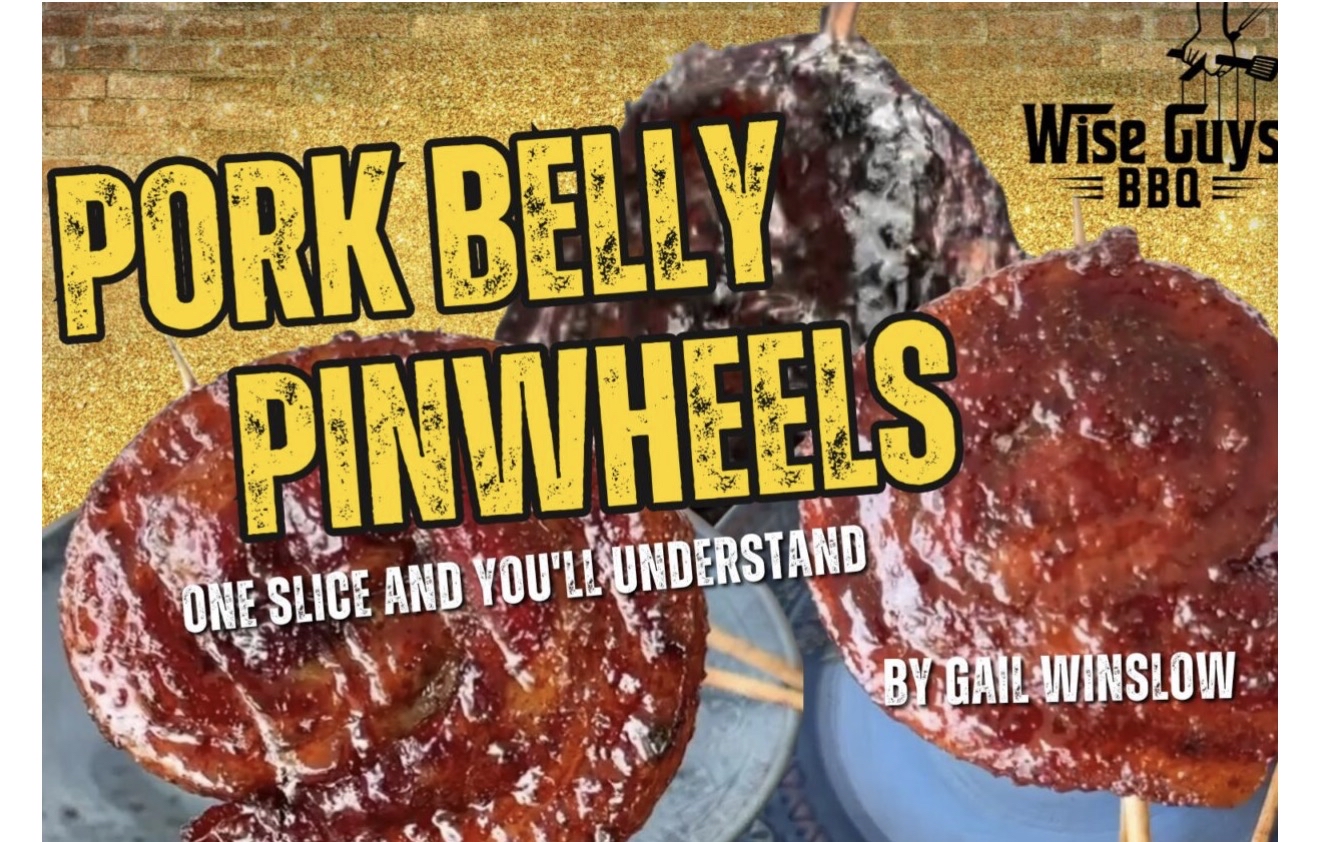
Rolled tight like a savory spiral of smoke, fat, seasoning, and meat science, pork pinwheels are becoming one of the hottest trends in retail barbecue circles across New England and beyond. Equal parts competition-style creativity and blue-collar comfort food, these little meat tornadoes are showing up everywhere from tailgates to live-fire cookouts.
And honestly? It makes perfect sense.
Barbecue people are always chasing three things:
Flavor.
Texture.
And presentation.
Pork pinwheels hit all three like a hammer.
Why Pork Pinwheels Work So Well
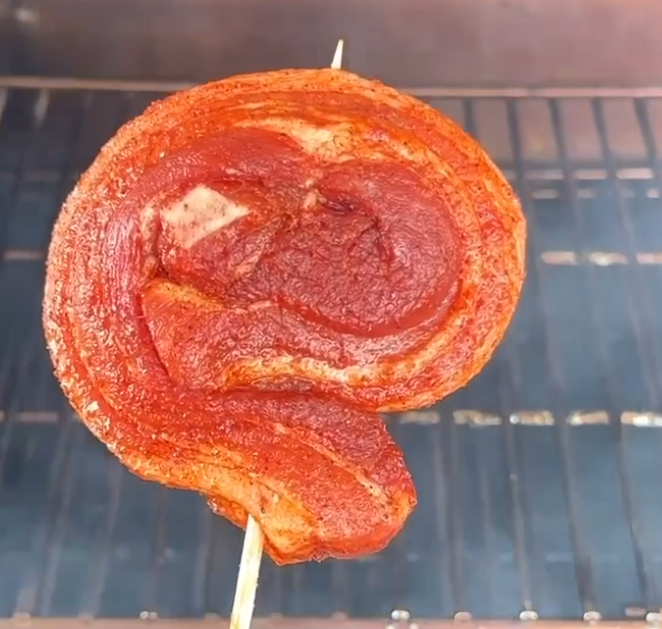
The beauty of the pork pinwheel is that it transforms inexpensive pork cuts into something that looks like it belongs in a steakhouse while still carrying all the soul of retail barbecue. Thin cuts of pork are flattened, seasoned aggressively, rolled with fillings like cheese, peppers, spinach, bacon, or sausage, then sliced into spirals before smoking or grilling over live fire.
The result?
Crunchy bark on the outside.
Juicy pork inside.
Swirls of molten flavor in every bite.
It’s barbecue theater.
And according to Scott from Triple S BBQ, that visual impact matters more than people realize.
“People eat with their eyes first,” Scott explained while preparing pinwheels during a recent cookout. “When you slice into them and see those spirals, everybody crowds around the cutting board.”
That moment — the reveal — has become part of the craze.
Social Media Changed BBQ Forever
Because barbecue today isn’t just about feeding people anymore. It’s about experience. Social media changed the game. Retail pitmasters now cook with one eye on flavor and the other on presentation.
Pork pinwheels photograph beautifully. The spirals pop on camera. The cross-sections look dramatic. The melted cheese stretches. The smoke ring wraps around every layer like a piece of edible artwork.
But unlike some trendy BBQ gimmicks, pork pinwheels actually taste incredible.
That’s because the rolling process changes the cook itself.
As the pork spirals tighten, fat and moisture redistribute throughout the meat during cooking. Every layer bastes the next. Smoke clings to multiple surfaces instead of just the exterior. Rubs and seasonings penetrate deeper into the roll. The result is a richer bite with more texture variation than a traditional pork chop or loin.
In barbecue terms?
More bark. More flavor. More fun.
Endless Flavor Possibilities
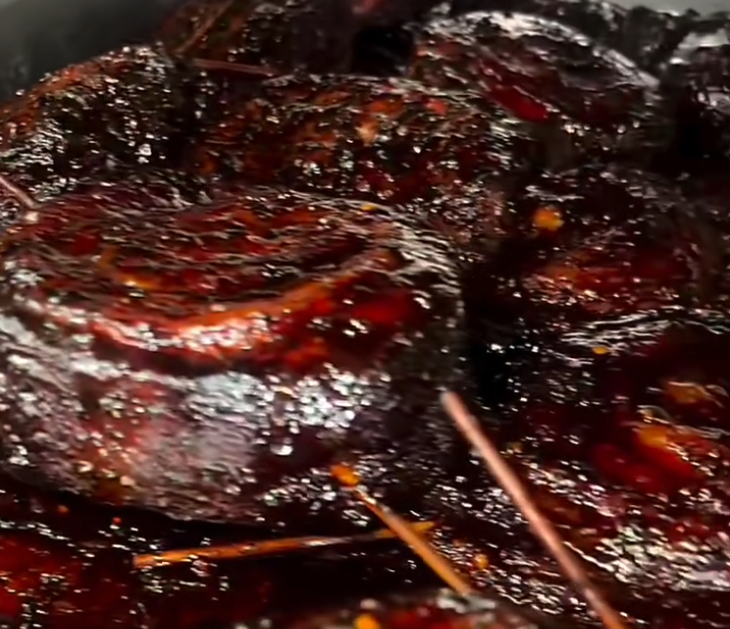
One of the reasons pork pinwheels are exploding right now is that pitmasters are getting increasingly experimental with fillings and flavor profiles.
Jalapeño popper pinwheels.
Italian-inspired pinwheels stuffed with spinach and provolone.
Breakfast pinwheels with sausage gravy flavors.
Tex-Mex versions packed with pepper jack and chorizo.
The possibilities are endless.
Robert Baumann from Big Bobby’s BBQ believes that creativity is exactly why the trend is sticking.
“Barbecue used to be very traditional,” Robert said during a recent conversation about evolving retail trends. “Now people want to personalize everything. Pork pinwheels let cooks put their own signature on a dish.”
That’s the key.
Pinwheels feel customizable in a way traditional barbecue sometimes doesn’t.
Brisket is brisket.
Ribs are ribs.
Pulled pork is pulled pork.
But pinwheels?
That’s your canvas.
The Perfect BBQ Trend for 2026
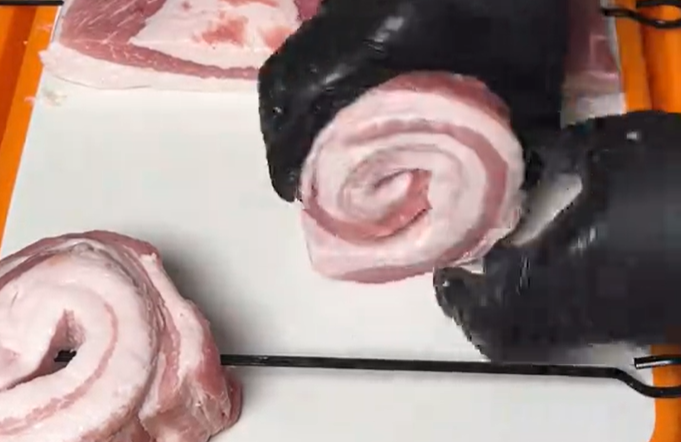
The trend also lines up perfectly with another major movement happening across barbecue right now: value cuts replacing premium cuts.
With brisket prices remaining painfully high, many retail cooks are searching for affordable meats that still feel impressive. Pork loin, pork belly, boneless shoulder meat, and tenderized pork cuts give pitmasters an inexpensive foundation to create high-end looking barbecue without destroying the grocery budget.
That mirrors the larger 2026 barbecue movement toward smarter cooking and creative meat usage.
In many ways, pork pinwheels are the perfect recession-era BBQ flex.
Affordable ingredients.
Maximum visual payoff.
Big flavor.
Crowd appeal.
Built for Live Fire Cooking
And they work beautifully over live fire.
That matters because barbecue culture is also drifting back toward primitive cooking methods. Open-fire cooking, Santa Maria grills, adjustable grates, and ember-fed cooking systems are becoming increasingly popular among serious retail cooks.
Pork pinwheels thrive in those environments.
The spinning fat caramelizes over wood coals. Cheese bubbles between layers. Sugars in the rub trigger deep Maillard browning, creating those dark crusty edges barbecue fanatics obsess over.
You can smell pork pinwheels before you even see them.
And that aroma matters more than most people realize.
The scent of sizzling pork fat mixed with smoke triggers the exact same pleasure-response chemistry that makes barbecue emotionally addictive in the first place. The savory compounds released during live-fire cooking activate dopamine pathways in the brain associated with reward, comfort, and satisfaction.
In plain English?
Pork pinwheels make people ridiculously happy.
A Food Meant to Be Shared
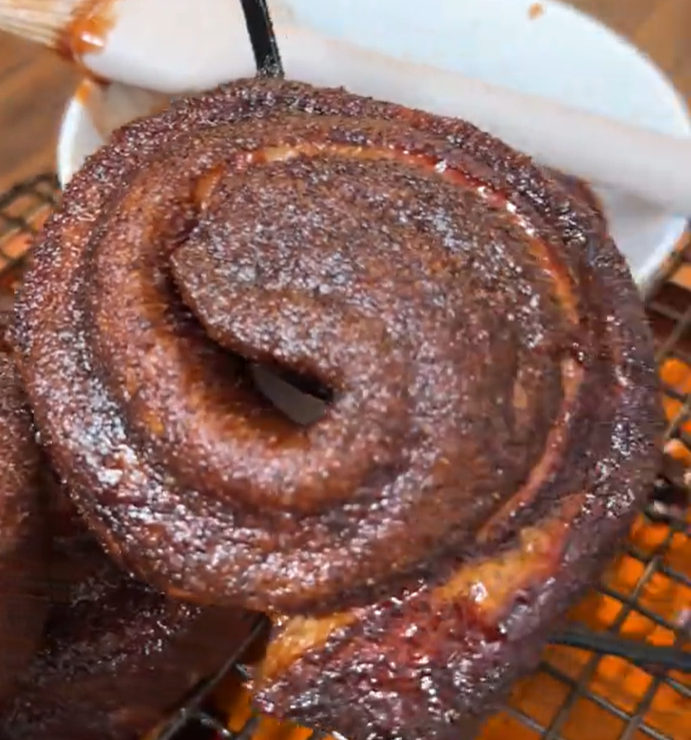
There’s also something deeply social about them.
Traditional barbecue often revolves around giant cuts of meat that require slicing stations and long resting periods. Pinwheels are naturally communal. People gather around them. Grab them by hand. Sample multiple flavors. Trade opinions. Compare fillings.
They feel less formal.
More retail.
More fun.
And that spirit is exactly what American barbecue has always been about. The roots of barbecue culture were built around community, open fire, and shared experiences stretching back centuries.
That heritage still matters.
The best barbecue trends are the ones that feel both new and familiar at the same time.
Pork pinwheels somehow manage to do exactly that.
They’re modern enough for Instagram.
Old-school enough for pitmasters.
Affordable enough for families.
Creative enough for competitors.
The Future of BBQ Is Creativity
And unlike many food trends, they’re actually approachable.
You don’t need a $5,000 smoker.
You don’t need competition trophies.
You don’t need culinary school.
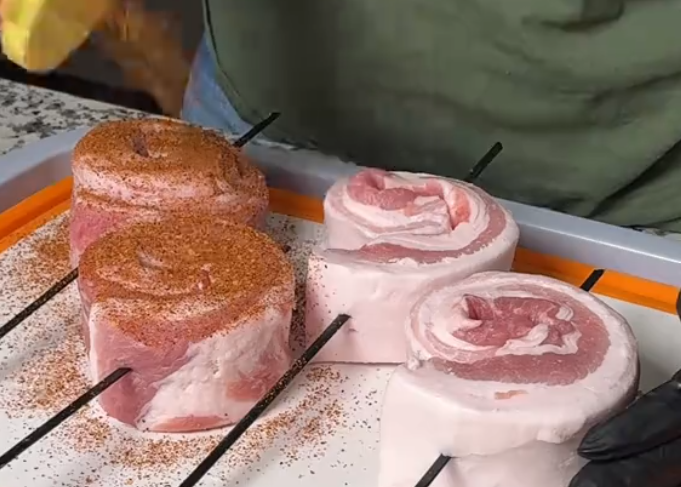
You just need pork, seasoning, heat, and a little courage.
Scott from Triple S BBQ believes that accessibility is a huge part of why the trend is exploding.
“People see pinwheels and think they’re complicated,” he said. “Then they realize it’s really just rolling meat and cooking it right.”
That simplicity is important.
Because barbecue at its best has never been about perfection.
It’s about experimentation.
It’s about standing around a fire with friends while smoke drifts through the yard and somebody says, “You gotta try this.”
That sentence alone has launched half the great barbecue ideas in America.
Robert Baumann agrees.
“The best barbecue dishes usually happen because somebody got curious,” he laughed. “Pinwheels feel like one of those ideas.”