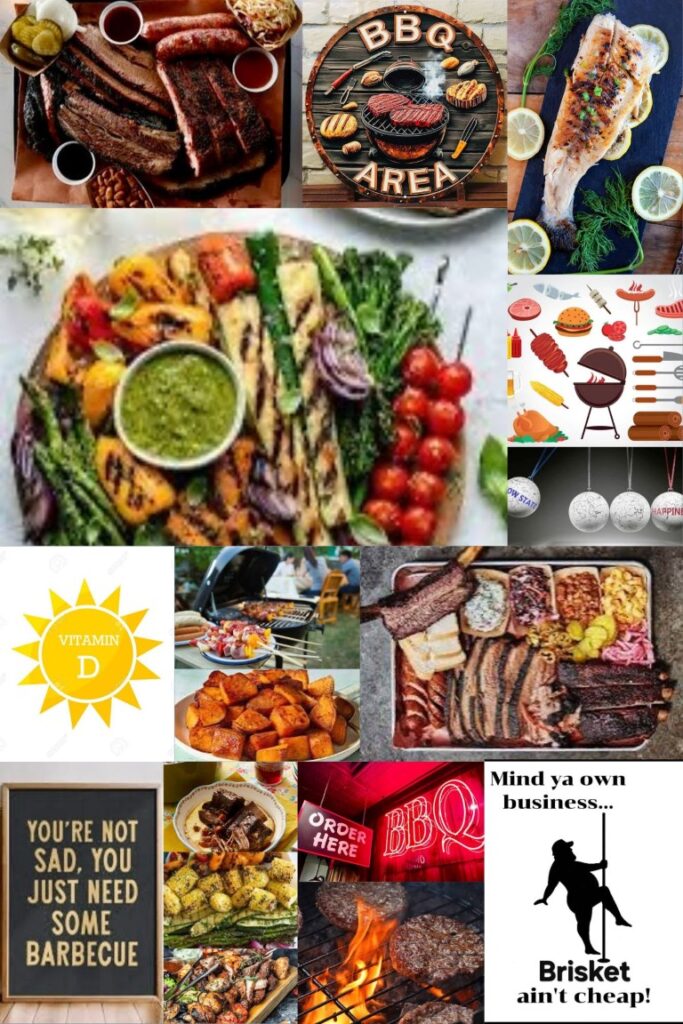
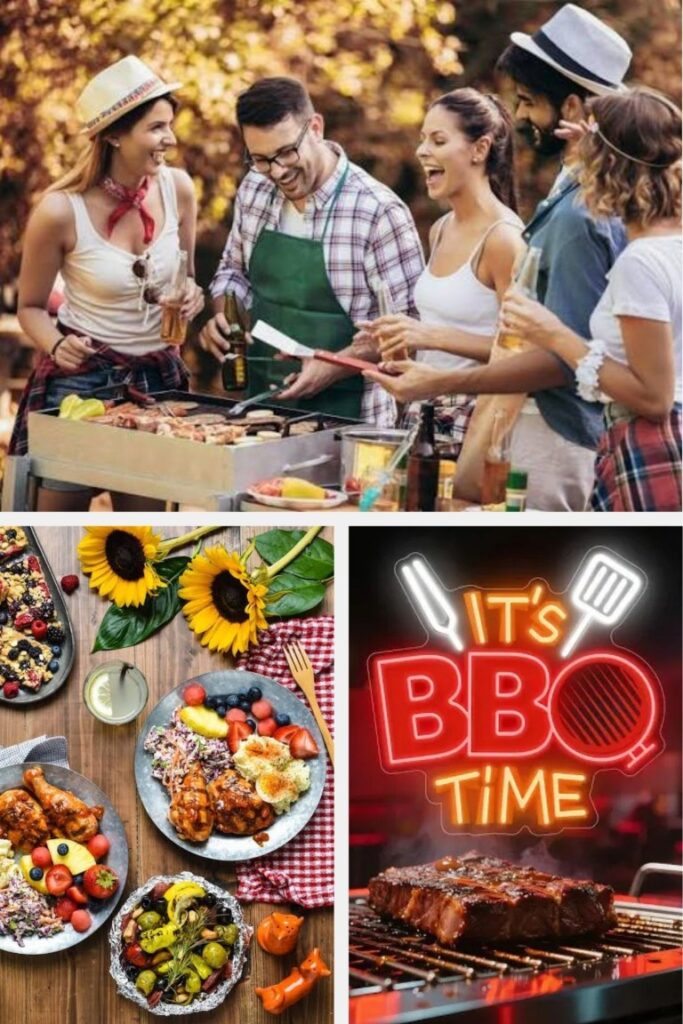
The scientific proof that BBQ makes you happy lies at the intersection of chemistry, biology and psychology. The experience of BBQ-ing triggers a combination of sensory pleasure, chemical changes in the brain, as well as promotes social bonding, which in turn, releases dopamine and lowers stress levels. Scientific evidence suggests that BBQ-ing improves happiness by combining psychological, social, and physiological factors. Firing up the grill reduces tension and pressure for over 64% of BBQ users! The act of grilling functions as a therapeutic “low and slow” process that helps alleviate anxiety and provides a sense of accomplishment; creating savory and satisfying BBQ flavors boosts serotonin levels, reduces anxiety, and promotes endorphin release, directly enhancing your mood.
Can Daytime BBQ Grilling Brighten Your Mood?
“According to the National Institute of Mental Health, NIMH, www.nimh.nih.gov regular exposure to sunlight boosts serotonin production- a natural mood stabilizer. And when combined with light physical activity, social interaction, and delicious food, you’ve got a mental health powerhouse disguised as a weekend cookout. If you’ve ever felt oddly happy flipping burgers on a sunny afternoon, you’re not imagining it. Research shows that daylight exposure, social cooking, and even certain grilled foods can positively impact your mental health,” declares www.temppro.com “Neurochemical research confirms that the savory compounds in barbequed food activate the brain’s effort-driven reward circuit,” concludes https://news.richmond.edu
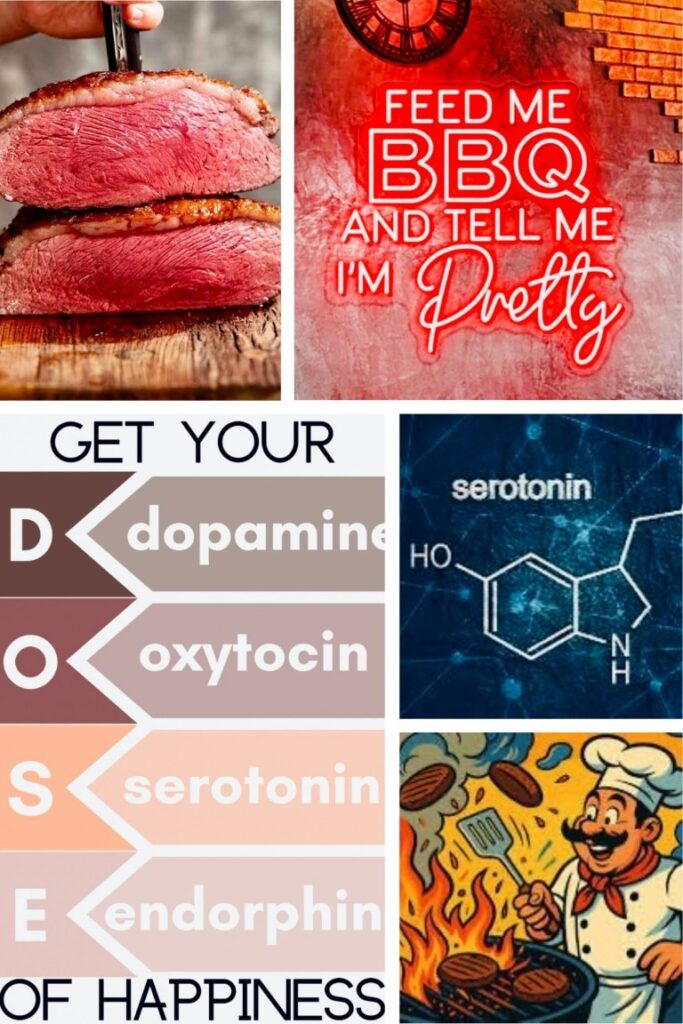
Grilling is Natural Therapy
Writer Amanda Gan purports; “Barbecuing isn’t just a cooking method—it is a lifestyle that taps into multiple mood-boosting triggers:
- Sunlight: Enhances Vitamin D production and circadian rhythm balance
- Movement: Light physical activity helps lower stress hormones
- Community: Sharing food increases oxytocin and lowers isolation
- Accomplishment: Mastering the grill builds confidence and satisfaction
Even the act of tending to the fire and controlling cook time gives people a sense of purpose and presence—two factors shown to reduce symptoms of anxiety and depression.”
What Foods to Grill for FEELING HAPPY
“Not all grill fare is created equal. If you’re looking to optimize both flavor and mental well-being, focus on nutrient-dense, mood-supportive options:
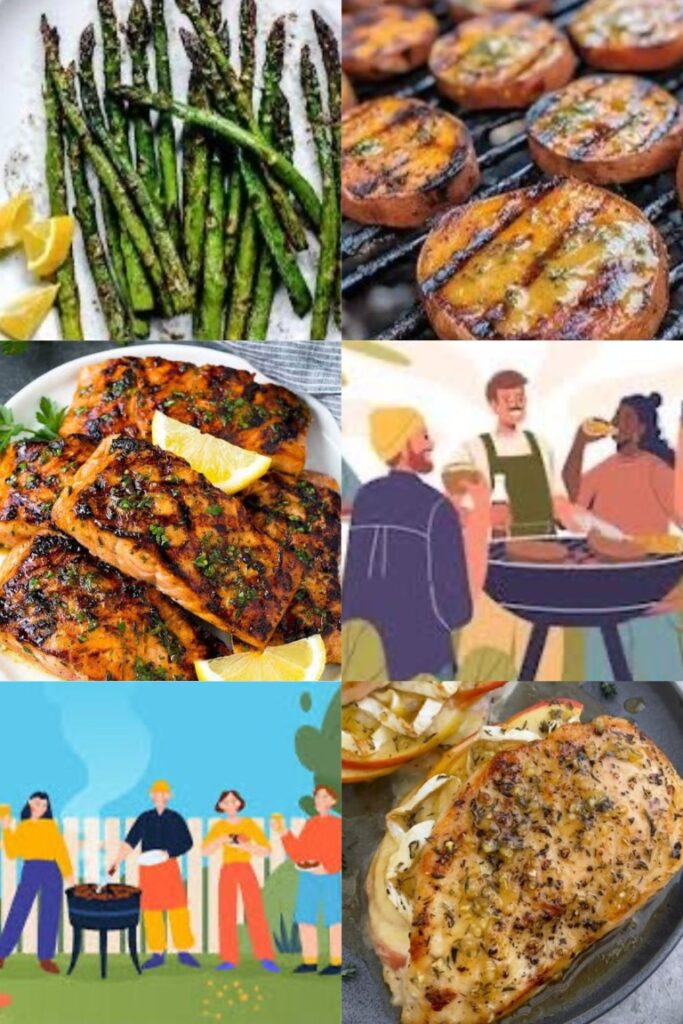
- Omega-3-Rich Proteins: Grill salmon, trout, or sardines for brain-boosting omega-3s—shown to improve cognitive function and mood stability.
- Folate Heavy Veggies: Spinach, asparagus, and brussels sprouts provide folate—which helps regulate neurotransmitters like dopamine and serotonin.
- Lean Proteins with Tryptophan: Chicken and turkey breast contain tryptophan; an amino acid that contributes to serotonin production.
- Complex Carbohydrates: Grilled sweet potatoes offer a stable source of glucose and support steady energy levels—avoiding the crash that can tank your mood!” says www.temppro.com
Search here for Healthy Grilling Recipes and Resources:
www.delish.com
www.therealfooddietitians.com
www.fannetasticfood.com
www.foodnetwork.com
www.allrecipes.com
www.barbecuebible.com
Pro Grilling Tips for Maximum Mood Boosts H2
TempPro offers this advice:
- Grill Early or Midday; that’s when your body is most receptive to Vitamin D, and the sun’s serotonin-enhancing rays are the strongest.
- Invite Friends and Neighbors; Social interaction is a proven-mood lifter; BONUS: Guests love trying whatever’s sizzling on your grill!
- Pair Proteins with Plants; A colorful plate of lean meats, veggies, and whole grains gives your body what it needs to fuel better brain function.
- Avoid Burnt Food; Over-charred meats create carcinogens and AGEs—Advanced Glycation End-Products—which are tied to inflammation and mood dips; monitor your food temps precisely in order to cook safely and perfectly.
- Take Breaks; Step away from the grill, take a quick walk, sip an iced beverage, focus on enjoying the jubilant moment that you are creating for yourself, your friends, and your family.
- Grill Season = Self-Care Season; Daytime grilling isn’t just about great food- it is an opportunity to reclaim joy, sunshine, and connection. Whether you’re solo or surrounded by loved ones, cooking outdoors offers a surprising dose of mental refreshment!

What is The Maillard Reaction?
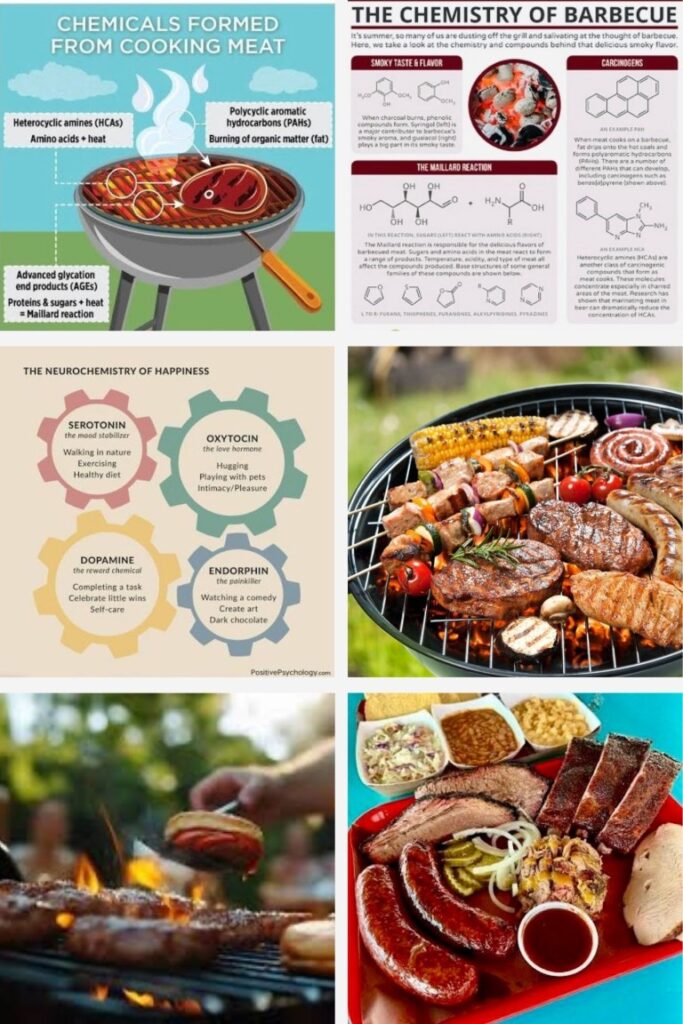
“The Maillard Reaction is the quintessential chemical reaction favored among chemists and foodies alike; offering a delicious intersection of science and everyday life. The Maillard Reaction is a form of non-enzymatic browning that occurs when reducing sugars, like glucose, react with amino acids under heat. First described by French chemist Louis-Camille Maillard in 1912, this reaction is responsible for the golden crust on grilled meats, toasted bread, roasted coffee, and even seared tofu. At its core, the Maillard reaction begins with the nucleophilic attack of the amino group on the carbonyl carbon of the sugar. This forms a Schiff base that rearranges into Amadori compounds, which then undergo a cascade of reactions—producing hundreds of aromatic and flavorful molecules including pyrazines, furans, and aldehydes. For those of us in the lab, the Maillard reaction is more than a tasty phenomenon; it is a fantastic example of organic reaction pathways, thermally driven rearrangements, and structure flavor relationships. Understanding it helps us unravel pathways of food chemistry, pharmaceutical degradation, and even polymer aging…You can thank the Maillard reaction for those rich, complex flavors and the mouth-watering browning of BBQ-ed meats…The Maillard reaction is a wonderful reminder that chemistry doesn’t just live in the lab; sometimes it’s right there on your plate!” discusses www.asynt.com
Chemistry: The Maillard Reaction and Flavor
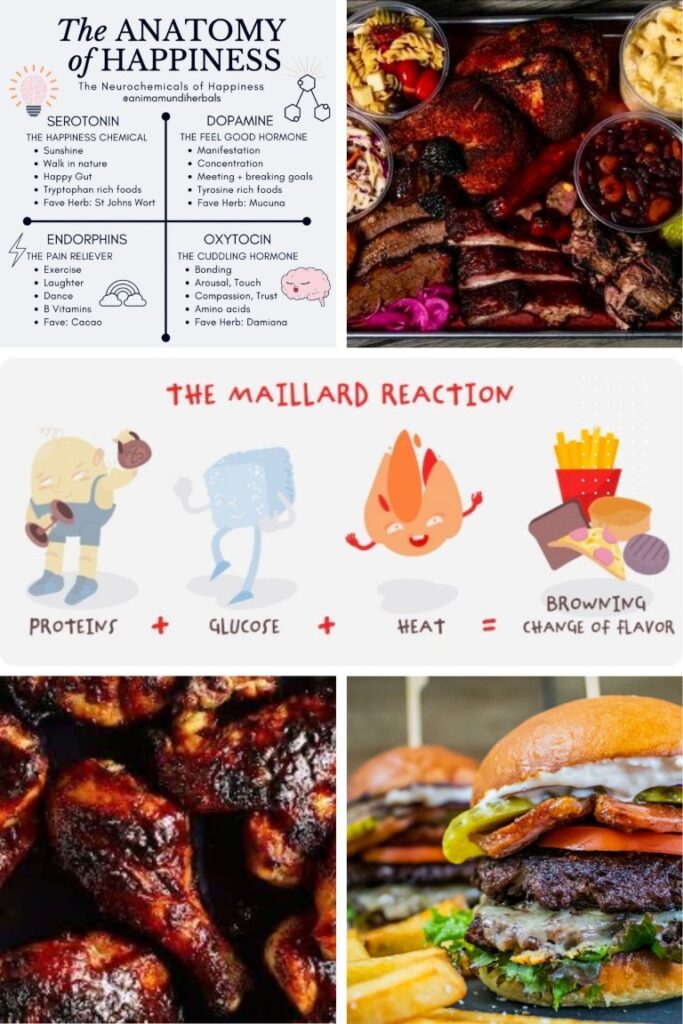
- The Reaction: When meat hits high temperatures, over 300 degrees F, on a grill, it undergoes “The Maillard Reaction,” a chemical process where amino acids and reducing sugars break down to create hundreds of flavorful compounds.
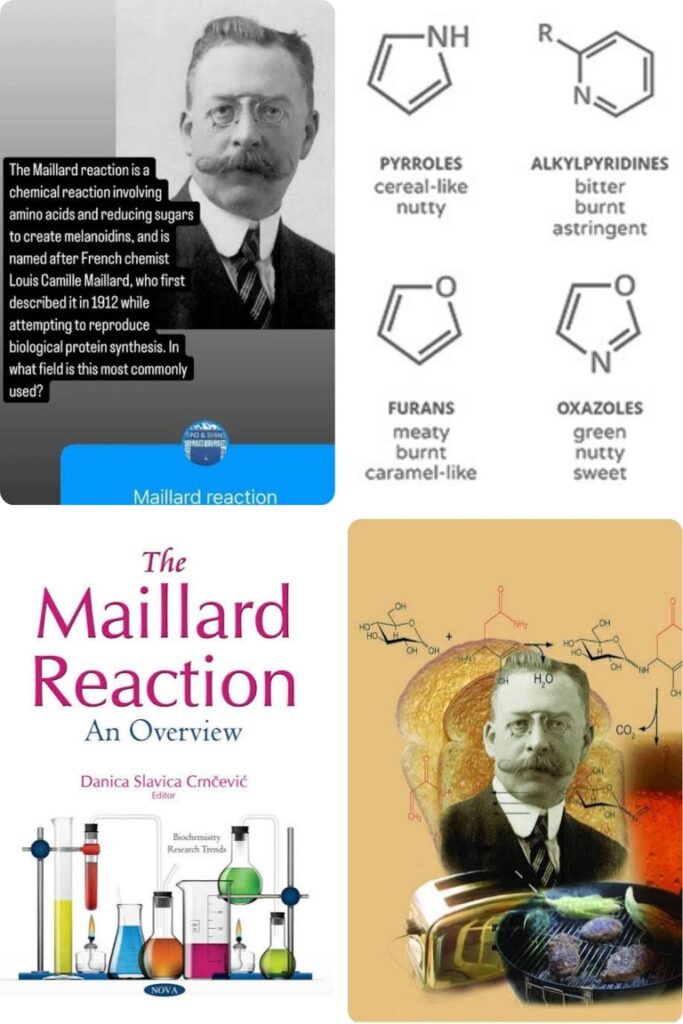
- Flavor Compounds: This creates molecules like pyrazines and furans, which produce a deeply, savory, caramel-like, and nutty aroma and taste that the human brain recognizes as both comforting and “meaty.”
- Olfactory Pleasure: The intense, aromatic smoky scent—which often contains phenols and syringol—stimulates the brain’s pleasure centers, oftentimes triggering positive memories, which can act as a stress reliever.
- Chemistry Synopsis: When heat is applied to amino acids and sugar, the molecules break down and recombine, creating a compound called “glycosylamine;” the glycosylamine is unstable, so it rearranges itself as it’s heated, creating more stable compounds called ketosamines. The ketosamines then undergo further reactions to form a variety of substances, some of which have different flavors and aromas! Melanoidins, compounds that are brown in color, are also created in this process. The Maillard reaction enhances the flavors and colors of foods; through this chemical reaction, hundreds of flavor compounds are created that make the flavor of the foods being cooked deeper and more complex, as well as forming a crust on the outside of the foods adding textural contrast.
Biological Responses: Dopamine and Tryptophan
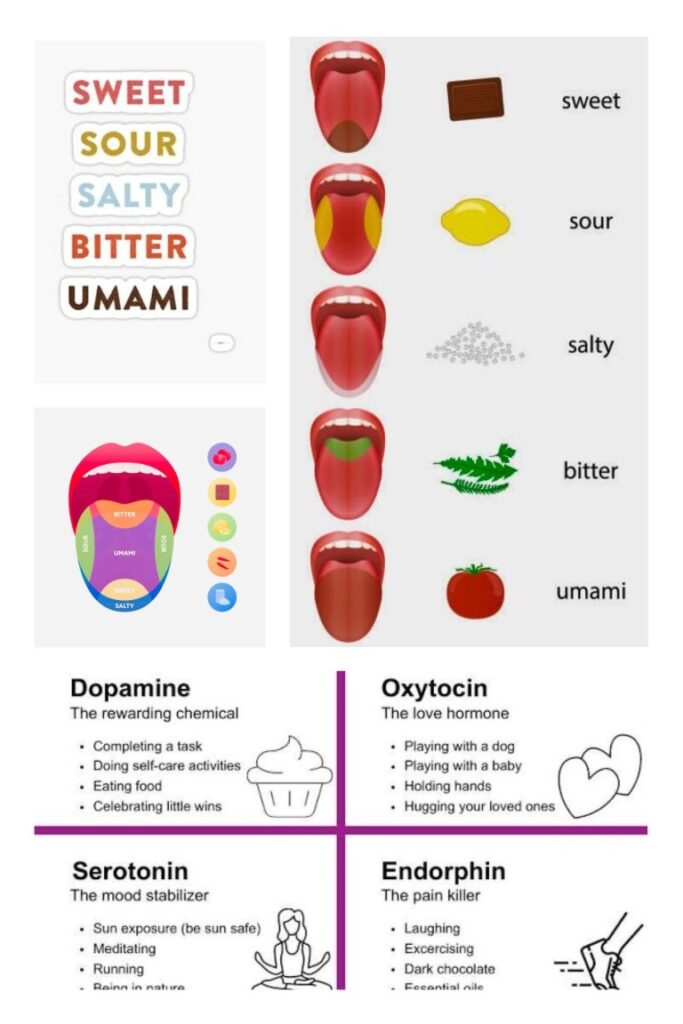
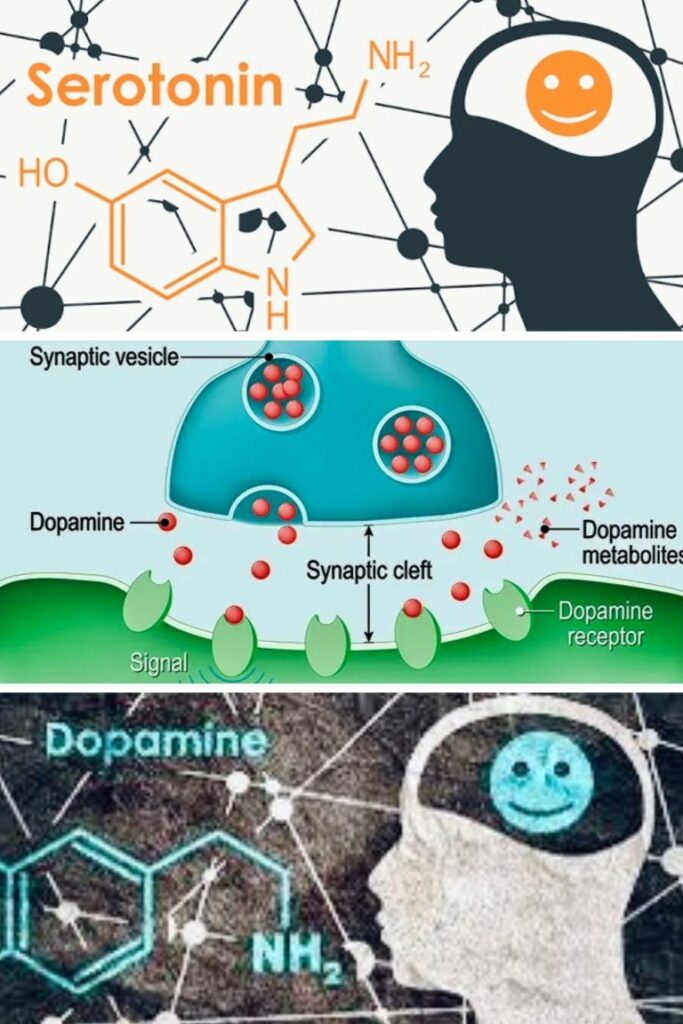
Dopamine Boost: The savory taste of BBQ—Umami—is a “Reward” signal for the brain. Eating protein-rich foods, common in BBQ, increases the tyrosine level in the blood, which directly boosts dopamine production in the brain; Dopamine is the chemical associated with pleasure and satisfaction.
Serotonin Production: Many BBQ staples, such as chicken and pork, are high in tryptophan—an amino acid that contributes to serotonin production; Serotonin is a natural mood stabilizer.
Nutrient-Dense-Mood-Support: Grilled meats are rich in B vitamins—B6, B12, B3—which are vital for maintaining brain health; while the iron and zinc found in grilled meats support better blood circulation and overall energy levels, leading to increased mental well-being.
Psychological and Environmental Factors
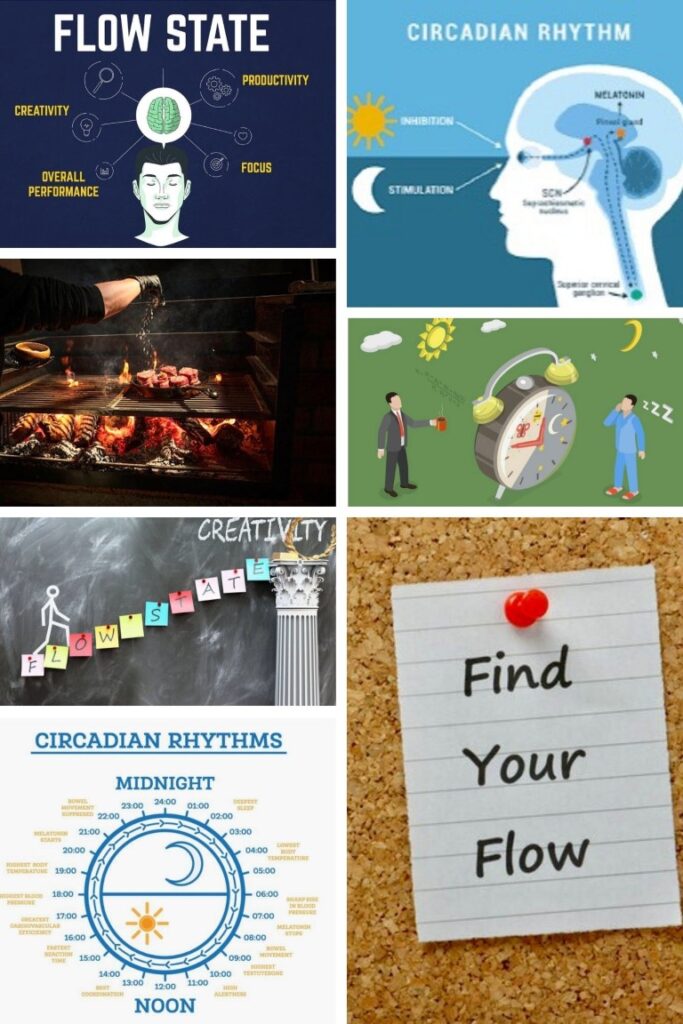
Outdoor Interaction: Daytime BBQ grilling increases exposure to sunlight, as previously mentioned, encouraging Vitamin D production and regulating the body’s circadian rhythm. A circadian rhythm is a natural, internal 24-hour cycle that regulates physical, mental, and behavioral changes in living organisms, including sleep-wake patters, hormone release, and body temperature. Often referred to as “The Body Clock,” it is primarily driven by light and dark cues in the environment, which reset the brain’s internal master clock. The master clock, known as the suprachiasmatic nucleus –or SCN—is located in the hypothalamus and responds directly to light input. A regulated circadian rhythm is known to reduce anxiety.
Social Connection: BBQ is typically a community-based social activity. Sharing food, recipes, and conversation with like-minded BBQ Fans and Enthusiasts and bonding over the fire pits, grills, and smokers with family and friends, stimulates the release of oxytocin, a hormone that lowers stress, reduces feelings of isolation, and increases feelings of security and happiness!
“Flow” State/Accomplishment: The act of grilling—or smoking, or outdoor cooking—focusing on the flame and fire, flipping the BBQ fare, and monitoring the meats and BBQ foodstuffs—allows the brain to focus on a simple, sensory task, shifting attention away from worries and inducing a meditative or “FLOW” State.
Health Benefits of Grilling
Low Fat, High Protein: The method of BBQ grilling allows excess fat in foods to drip off the end result serving portions—making those portions lower in fat content and making grilling a lower-fat cooking method compared to frying foodstuffs.
Nutrient Preservation: Slow cooking or grilling at moderate temperatures and heat can preserve key nutrients in your foodstuffs, compared to other methods of preparing foods; ensuring that the body gets the fuel it needs for mood regulation.
Additional Tips for Healthy Grilling: Choose marinades that contain ingredients such as extra-virgin olive oil, vinegar, herbs, and spices and those which have reduced sugar content; avoid marinades and sauces which are high in sodium and have added sugar; use minimal amounts of refined oils when BBQ-ing, and be sure to grill up a variety of veggies for added nutrients and more vitamins!
*Note: www.nyhealth.com offers an article entitled, “Health Benefits of Grilling Food,” should you care to research this subtopic further!
Comfort Foods
“Coined in a Washington Post article in 1977, the term ‘Comfort Food’ became synonymous with the foods that people reach for when they need solace, connection, or to elevate their mood. Comfort Foods are consumed to evoke a warm and cozy feeling of contentment in the person eating them. People are attracted to the associations they elicit. It can be a conditioned response to foods that care-givers served in your youth. There is also a deep cultural component that makes it virtually impossible to separate food, especially things that you find comforting, from emotions of any kind. It’s not all psychological. There is an olfactory element to this science: Just smelling these foods can bring a pleasurable response—positive memories of places and events like family gatherings or parties,” states www.napoleon.com
“Comfort food will be different depending on the cultural background and experiences of every individual. However, many internationally agreed-upon Comfort Foods have a few key elements in common:
Umami: The Japanese word for savory yumminess, is a combination of the factors of saltiness, meatiness, and earthiness.
The Maillard Reaction (again!): That roasty, toasty, brownness that results from cooking over temperatures of 300 degrees F.
And, finally, FAT: Fat not only helps to create incredible fragrances in our favorite comfort foods, but also provides an amazing mouth-feel, which is incredibly pleasurable when eating.
Grilled foods fresh from the BBQ will have at least 2 of these comfort food characteristics, making your barbecue the ideal source when it comes to satisfying your comfort cravings. A brisket, burgers, roast meat, and pasta dishes are just a few of the savory comfort foods that you can produce on the grill,” declares www.napoleon.com
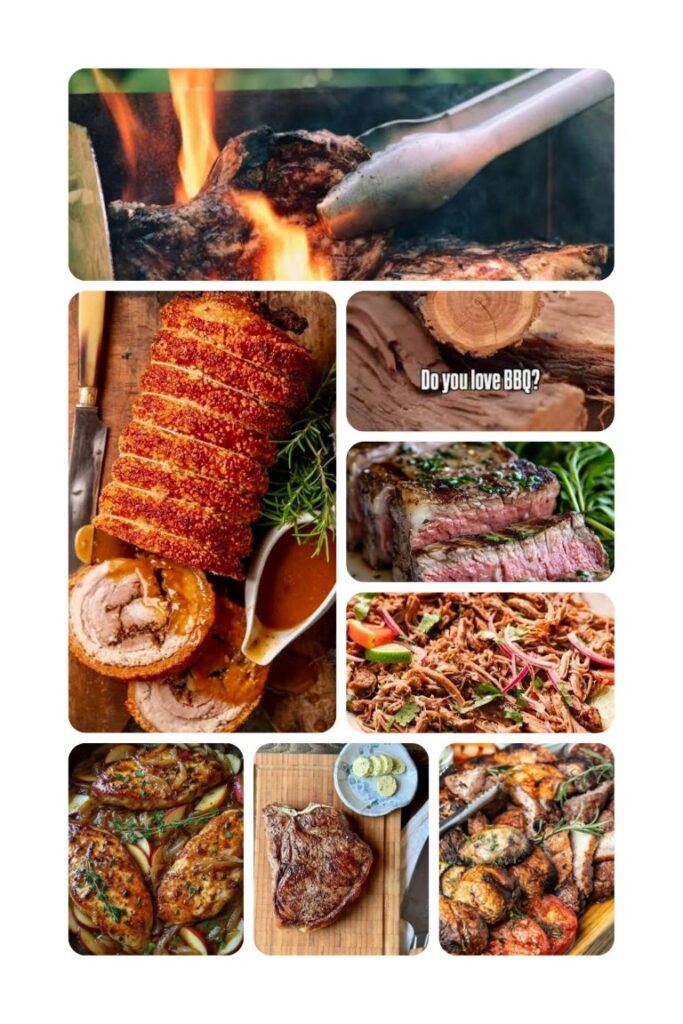
So, www.ribbqnews.com Dear Readers: What BBQ Comfort Food Means COMFORT to you? We would love to see your #BBQComfortFoodCravings photos and recipes! Please feel free to share them with us on all of our Social Media Platforms! @wiseguys.bbq www.wiseguysbbq.com @ribbqnews
“The sensory trifecta of aroma, flavor, and char during a BBQ creates an atmosphere that mitigates stress and induces profound contentedness.”
#SerotoninTheNaturalMoodBooster #DopamineBoostThePathwayToPleasure #EndorphinsTheHappyHormones #BBQEQUALSHAPPINESS