

The holidays have come and gone. A forlorn landscape of Post-Yuletide festivities lays before you. You have absolutely over-indulged in all of the very many, splendid culinary holiday’s deliciousness and yumminess: Cocktails, Charcuterie, Roasts, Steaks, Prime Ribs, Hams, Turkeys, Carb-Loaded Side Dishes, Take-Out Foods, A Plethora of Pizza Orders, Midnight Snacks and, of course, Divine DESSERTS: Cookies, Cakes, Pies, Strudels, Fudge, Candy, Gingerbread… as well as Popcorn, Chips and Dips, Crackers and MORE cheeses! What is one to do? NOW WHAT? You have delightfully enjoyed every magical moment of your holidays’ cookery gaieties…unfortunately, your current waistband now vehemently protests your prior gastronomic holiday choices!



“The fastest natural detox involves supporting your body’s systems with hydration, a whole-foods diet rich in fiber, fruits and vegetables, reducing processed foods, alcohol intake, and sugar, as well as incorporating daily movement, quality sleep, and stress reduction into your everyday routine. Focus on supporting your natural detoxification organs (your liver, kidneys, and the function of your ‘gut’) rather than “extreme cleanses” for more sustainable health,” states the MD Anderson Cancer Center. “Your body has its own detoxification system. What you usually lose during cleanses and fasts is water weight, not body fat. A healthy (or healthier!) diet is the best way to maintain your body’s optimal functions,” www.mdanderson.org continues. “There are no scientific definitions for the terms: A Cleanse, A Fast and A Detox; so they can mean different things in different contexts,” explains wellness dietician Lindsey Wohlford. “In general: Detoxes and Cleanses (sometimes referred to as ‘detox diets,’) usually describe eating or drinking something that is supposed to flush out the toxins and harmful substances in your body. A Fast is usually a complete break from food or drinks with calories, or a very minimal consumption of them, for a set period of time. The idea is to give your body a break and allow it to use its own energy source to reset. As a wellness dietician, when I talk about weight loss, I am referring to actual body fat; most of the time what you’re losing during one of these ‘fad’ fasts or cleanses is the natural water stored in your body’s tissue. For example, you may feel a little lighter, but you’re not getting rid of belly fat- it’s just a loss of water,” defines Lindsey Wohlford. “Try choosing an eating pattern that you can maintain over time…You’re not going to be on a fast or a cleanse for the rest of your life! Our bodies need fuel, and we need a variety of different nutrients to provide that fuel. Building a healthy diet supports your body’s natural detox systems.”

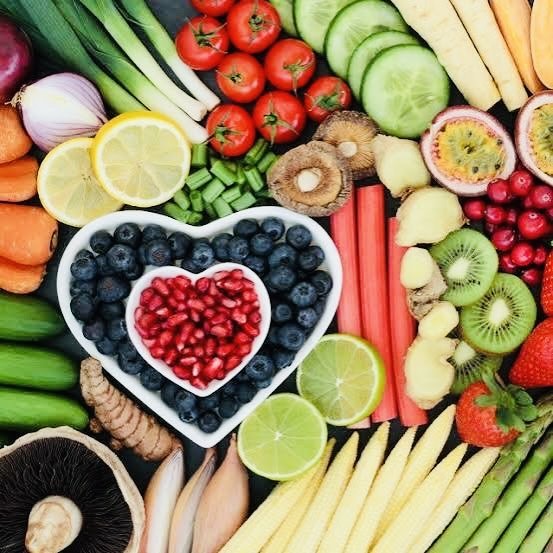
“Every year, we witness a new fad or concept coming up with various claims of boosting health or increasing longevity. Although practiced in various forms for centuries, detoxification or detox diet procedures have increased in popularity lately. Detox diets claim that they remove ‘toxins’ from the body and improve your overall health. The toxins mentioned in these diets are the main culprits that cause ill health and various problems such as aches, pains, hair loss, dull and dry skin, joint pain, and lethargy. These toxins are identified as various environmental pollutants, pesticides, chemicals used in farming, food additives, metabolic wastes produced in the body and various bacteria and their metabolic products. There is limited scientific evidence available to support that we ‘really need’ such external detox for maintaining the health of our bodies. Our bodies have their own built-in detoxification systems that includes the liver, kidneys, blood cells, and antibodies. A better approach is to eat a healthier balanced diet and make lifestyle changes rather than go on a potentially irrelevant cleanse. Cutting back on sodium, added sugars, and refined grains and instead eating more whole grains, fruits, vegetables, proteins and healthy fats is the far better option,” according to www.medicine.net
With some small, simple lifestyle changes, you can “get on the road” to a healthier YOU in 2026!

Dr. Charles Patrick Davis reviewed the following “10 Tips to Healthier Eating: Making Little Changes Can Make a Big Difference:
- Evaluate your eating habits: Are you a late-night snacker? Do you taste your food while cooking? Do you finish eating your spouse’s or children’s leftovers? Being aware of these behaviors and stopping them can save a lot of extra calories that you won’t miss.
- If You Fail to Plan, Plan to Fail: Have a strategy for what you will eat, and when you will eat it! Plan your meals and snacks. Eat something nutritious and filling before a party or gathering where there will be lots of junk food. Stash healthy snacks at your workstation to avoid the temptation to eat ‘crap!’
- ALWAYS Shop with a Full Belly: You’ve heard this before; never shop for groceries when you are hungry. You are more likely to make impulse purchases of foods that are less healthy. Make a shopping list in advance and stick to it! Stock your pantry and refrigerator with lots of healthy food options.
- Eat Regular Meals: Eat regularly to help yourself feel full, to prevent drops in blood sugar, or binge snacking. Some people need the old-fashioned 3-square meals per day; others do better with six smaller meals. Figure out what works best for you and your body.
- Eat Your Food Sitting Down at a Table and From a Plate: Don’t eat out of packages, or while distracted by the phone, television, or computer. Sit down and make eating your only activity so that you can focus on enjoying your food!
- Serve Food on Individual Plates and Leave the Extras Back at the Stove: Take 1 serving of food at a time. Fill your plate with the desired portion, and take it to the table, leaving the bowls or pots in the kitchen where they will not tempt you. It can take about 20 minutes to feel full after you start eating. If you give yourself a 2nd helping before that time, you are liable to overeat.
- Eat Slowly, Chew Every Bite, and Savor the Taste of the Food: Slow down when you eat. Drink a sip of water in between each bite. Put your fork down when you are chewing. Make sure that you thoroughly chew each bite. These steps help get you to the 20-minute mark when your brain will get the signal from your stomach to know that you are full.
- Don’t Eat After Dinner: After-dinner snacking can pile on the pounds and the food choices are usually not healthy. Resist the urge to eat after dinner. Have a non-caloric beverage instead of eating empty calories: Club Soda, Naturally Flavored Sparking Waters, Green Teas, and sugar-free beverages are helpful suggestions of choices. Brush your teeth after dinner to minimize the urge to eat again. Decide that you will ‘Shut Down’ the kitchen after dinner- this can help you avoid raiding the pantry!
- If You Snack During the Day, Treat the Snack Like a Mini-Meal: If you must snack during the day, opt for nutritious choices that include complex carbs and a small amount of protein. (A sliced apple with peanut butter, for example.)
- Start Your Day with Breakfast: We’ve all heard the saying; ‘Breakfast is the most important meal of the day,’ and that is true because your body has been resting all night and it needs fuel to start your metabolism back up and give you energy for your day. By eating breakfast, you will also be less hungry at your next meal.
Making these small but important changes to your habits can add up to large calorie savings and get you back on track for a healthier New Year!” says Dr. Charles Patrick Davis, MD. PhD. Dr. Charles “Pat” Davis is a board-certified Emergency Medicine doctor and Chief of Emergency Medicine at UT Medical Branch and at UTHSCSA; with a PhD in Microbiology from the University of Texas at Austin; he received his MD from the University of Texas Medical Branch, Galveston, TX. Dr. Davis currently practices as a consultant and staff member for hospitals and has over 250 publications.

In order to assist you on your “Road-To-Recovery-From-Over-Indulgence-During-The-Holidays,” below, please find THE HEALTHIEST, TASTIEST, most phenomenal dish with a BBQ Twist:
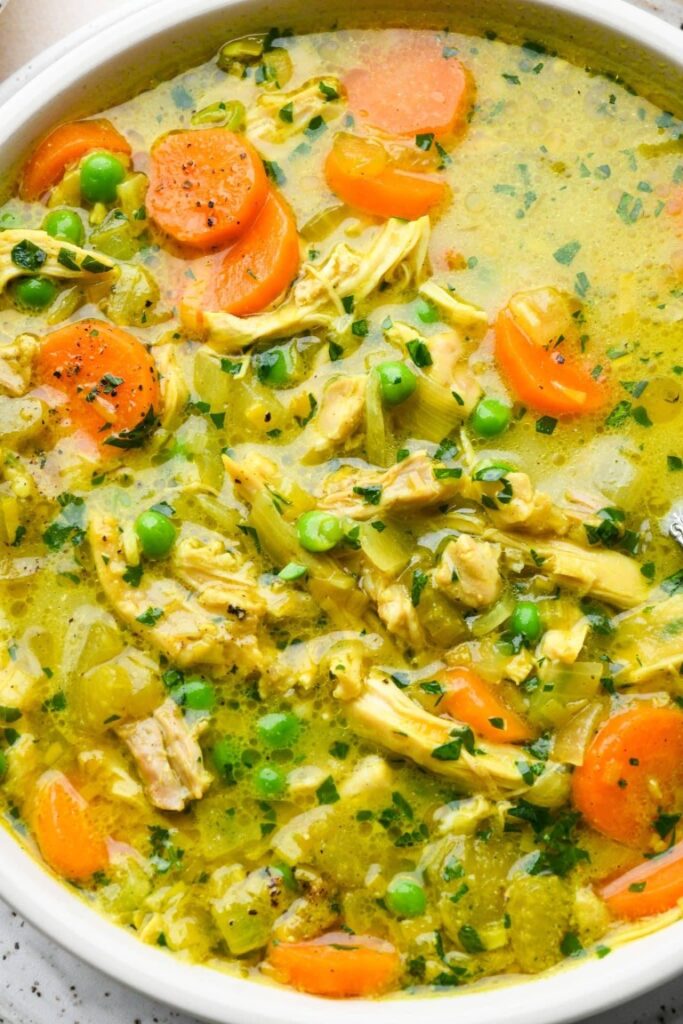
“Anti-Inflammatory Turmeric Chicken Soup!” for all those who desire to “NOURISH WELL!” This particular recipe is from www.nyssaskitchen.com
Nyssa Tanner declares, “This anti-inflammatory chicken soup is made in 1 pot with leeks, onions, carrots, celery, garlic, peas, chicken, chicken broth, coconut milk, and flavorful spices. It is packed with veggies, and perfect for a family dinner. The best way to warm up when you need some homemade nourishment! All of the flavor-packed ingredients plus the warmth of a delicious bowl of soup hit the spot every time. Traditional chicken soup is always a great option, but sometimes it’s nice to switch it up for something a little more unique…with the added bonus of turmeric for healthy, anti-inflammatory points! Reasons why you will LOVE this soup:
–It is rich and flavorsome.
–It is homemade, wholesome goodness in a bowl.
–It is warming and cozy…and scrumptious!
–It is filling and hearty.
–It is a comfort food chock full of the HEALTHIEST ingredients!”

The BBQ Twist is derived by utilizing a BBQ SMOKED CHICKEN, WHICH HAS BEEN SHREDDED into the recipe.
Nyssa adds her cooking notes:
–“Olive Oil—for sauteing the veggies: You could easily substitute it with another cooking fat like ghee, coconut oil, or avocado oil.
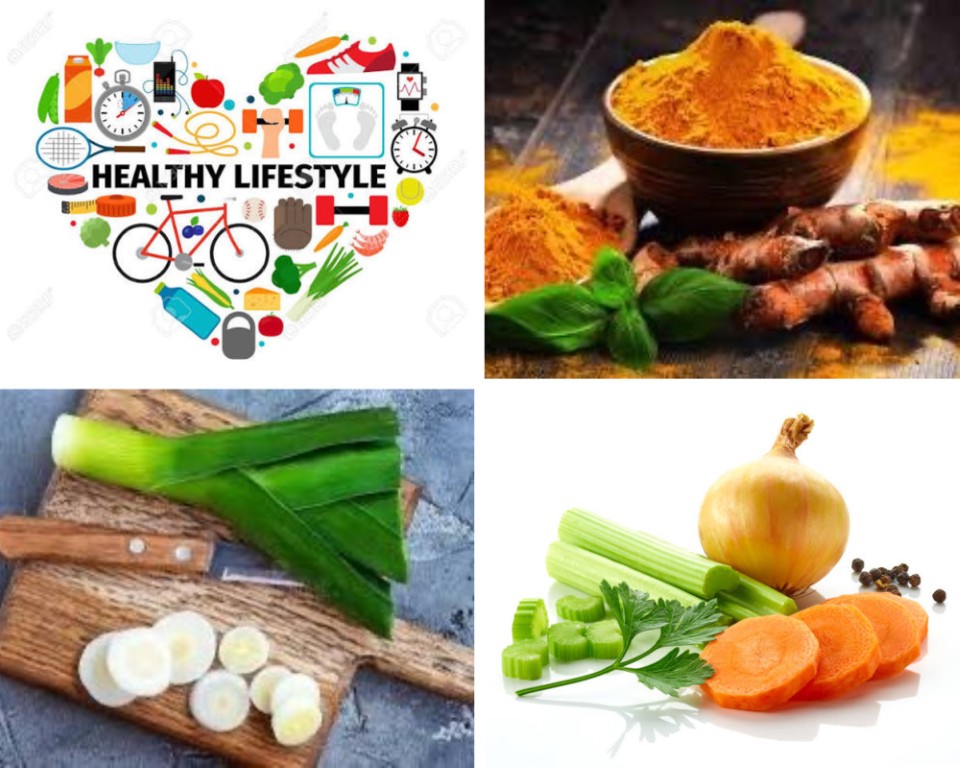
–Onions, leeks, and garlic: ALLIUMS not only help create the flavorful base for this soup, but also add some potential anti-inflammatory benefits as well…the leeks add a soft aromatic sweetness to the soup.
–Carrots and Celery: They are a staple in chicken soup and add a ton of flavor!
–Spices: Turmeric and poultry seasoning help bolster the flavor and nutritional properties of the soup.
–Chicken Broth: The innate richness of chicken broth lends itself perfectly to this soup.
–Coconut Milk: For a bit of added flavor, beneficial fat, and richness.
–Peas: Sweet peas lend a welcome pop of bright green sweet flavor…additionally, baby spinach and/or kale can be added or substituted as well!
–Parsley: Added just before serving, fresh parsley adds a lovely herbaceous note. Other fresh herbs like dill or cilantro would also be delicious!
–Noodles, Pasta, Rice, Quinoa, or Potatoes are all welcomed additions to this soup recipe…Whatever your family prefers!
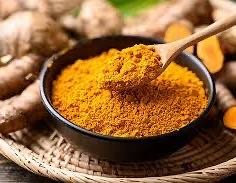
–Turmeric: Turmeric has a mild, earthy, almost bitter taste to it—with slightly peppery notes. The amount of Turmeric used in this recipe doesn’t impart a very strong flavor and is well-balanced with the other ingredients.”

Here are Nyssa’s step-by-step instructions:
Ingredients:
–1/4 cup olive oil
–1 medium onion, diced
–1 large leek, white and light green parts only, halved lengthwise and thinly sliced
–3 large carrots, thinly sliced
–3 stalks celery, thinly sliced
–1 teaspoon kosher salt
–3 cloves garlic, chopped
–1 teaspoon turmeric
–1 teaspoon poultry seasoning
–6 cups chicken broth
–13.5 ounce can of coconut milk
–1 ¼ pounds shredded BBQ Smoked Chicken
–10 ounces frozen peas and/or 1 bag baby spinach and/or ½ bunch kale; chopped
–1/3 cup fresh parsley
–salt and pepper to taste
*OPTIONAL: Cooked Noodles, Pasta, Rice, Quinoa, or Potatoes to add to individual serving bowls
- Cook onions, leeks, carrots, and celery; heat olive oil over medium heat in large soup pot. Add onions, leeks, carrots, celery and 1 teaspoon kosher salt; stirring occasionally, saute onions, leeks, carrots, and celery until leeks are soft and starting to caramelize; 14-16 minutes
- Add aromatics; add chopped garlic, turmeric, and poultry seasoning and continue to saute another 2-3 minutes, stirring frequently, until spices and garlic are fragrant
- Add chicken broth, coconut milk, and BBQ smoked shredded chicken to the pot and bring the soup to a simmer. Simmer on low; approximately 15-20 minutes
- Add frozen peas and/or baby spinach or kale and the fresh parsley to the pot. Bring soup back to a slow simmer and allow green veggies to cook—just until bright green and soft; about 5 minutes
- Season soup to taste with salt and pepper; add cooked pasta/noodles/rice/quinoa/ or potatoes to individual serving bowls; add ladles of soup on top and serve garnished with some extra parsley
- ENJOY!!!

*SERVES 6
*413 Calories per serving (excluding pasta/rice/grains additions)
*27 Grams Protein per serving
*FOR AN ADDITIONAL ANTI-INFLAMMAORY KICK; ADD 1 tsp Ground Ginger to the above recipe during “Add Aromatics” Step!
Other fabulous resources for HEALTHY and TASTY Recipes for Recovery include:
www.thedoctorskitchen.com
www.greenchef.com
www.cleanprogram.com
www.eatingwell.com
www.spoonfulofcomfort.com